

If you’re wondering how to sell on Amazon, the platform offers unmatched reach, a massive customer base, and tools to help beginners succeed. It helps you stay visible among the market leaders and stand shoulder to shoulder with them.
As of 2026, Amazon maintains its leadership in the U.S. ecommerce sector, occupying a 37.6% market share. This positions Amazon well ahead of competitors like Walmart, which is at 6.4%.
For those new to ecommerce, learning how to sell on Amazon for beginners is simpler than it sounds, and this article helps you with a comprehensive idea of how to start.
Before you start, the steps will seem slightly daunting. However, we recommend you go over the entire article a couple of times and you’ll find that it’s fairly simple.
By finding the right product, optimizing your listing, and running strategic PPC campaigns, even sellers new to a market can generate tens or hundreds of thousands in annual revenue, like our client Nuobell, who, within 5 months of expanding into the US, reached 1M dollars in sales just by taking the right steps, of course guided by our PPC experts.
The same ppc experts have shared their inputs in this beginner-friendly guide on how to sell on Amazon.
At this point, you might also have questions such as, “How much does it cost to sell on Amazon?” and we’ve addressed that as well.
While fees vary depending on your product category and fulfillment method, getting started is easier than many think, especially with Amazon’s Fulfillment-by-Amazon (FBA) program, and taking advantage of Amazon New Seller Incentives.
Keep reading to know more about the strategic framework of selling on Amazon successfully.
Why Sell on Amazon in 2026?
If you’ve been asking yourself, “How to sell on Amazon?” or wondering whether it’s even worth the effort in 2026, the answer is a definite yes.
Amazon is the world’s largest growth engine for brands for both regional and cross border selling, and smart entrepreneurs or side hustlers always strive to make the most of this enriched platform.
So, here’s why smart sellers are doubling down this year.
1. Unmatched Market Reach
Amazon attracts 300M+ active users who trust the platform in terms of quality and fulfillment.
When you learn how to sell things on Amazon or even experiment with how to sell items on Amazon as a beginner, you’re stepping directly into where the buyers are already at with full intent and ready to spend.
2. Built-In Credibility
Shoppers are more likely to trust the authenticity of an Amazon listing. Selling on Amazon means that you’re automatically borrowing the credibility Amazon has built over two decades.
By choosing Amazon they escape the chances of coming across a counterfeit which are widely found at standalone site or an unknown platform.
Moreover, they might be hesitant to make the purchase payment or unsure of the delivery timelines of these standalone sites, even if the listing comes with an authenticity stamp.
3. FBA Logistics and delivery options cater to your comfort
Fulfillment by Amazon (FBA) handles inventory storage, packaging, shipping, and even customer service, which relieves you from the operational tasks.
This makes it easier for sellers, especially those exploring how to sell on Amazon for beginners, giving them an opportunity to scale.
4. AI and Ad Tools That Give You an Edge
With innovations like Amazon Rufus AI and advanced PPC ad solutions such as SellerApp, you can now market smarter, target better, and in the process spend less and run more targeted ads.
So, whether you’re just learning how to sell stuff on Amazon or a pro refining your campaigns, Amazon provides the tech stack that’s essential for growth.
5. Cost Transparency and Flexible Models
Curious about how much does it cost to sell on Amazon? The best part is that it’s flexible. You pay referral fees, optional FBA costs, and ad spend only when you choose.
There’s even a path for those asking how to sell on Amazon for free. With free product listings under certain categories and individual seller plans, you can cut down on your expenses to a great extent.
For beginners, to gain the initial traction, there are options such as Amazon new seller incentives which can help you recycle your capital.
6. Global Expansion Made Simple
Cross-border selling is easier than ever in 2026, thanks to Amazon. Once you understand how to sell products on Amazon locally, you can quickly scale into Europe, Asia, and beyond without the requirement of a complex setup.
You can build a multimillion-dollar empire across different geographies while controlling the operations from your home.
7. Accessible to Every Seller Type
From being a hobbyist wondering how to sell on Amazon for beginners to established businesses asking how to sell items on Amazon in bulk, the platform is designed for everyone.
Amazon Business was introduced as a B2B platform, where you can sell in bulk (that’s what our client ChairMaster used to hit a whopping 78.5% growth in sales). Whether you’re listing your first product or scaling a private label empire, Amazon has the platform to adapt to your model and help you win.
How to Start Selling on Amazon FBA: The Basics
If you’re asking how to sell on Amazon for beginners, the good news is this. Amazon FBA (Fulfillment by Amazon) makes the process simple for you.
You don’t need a warehouse, a packing team, or even customer service reps to sell on Amazon. You grow as a seller as Amazon does the heavy lifting.
Amazon Business Model Options
Before diving in and gathering as much information on how to sell on Amazon, start by deciding which business model aligns with your goals the most. Amazon selling is diverse and isn’t just a one-size-fits-all technique. This is why there are so many success stories on Amazon. Here we’ll discuss the main routes to Amazon selling.
- Private Label
This is where you manufacture or source products that you’ll sell on Amazon as a part of your own brand. However, the high margins you can possibly earn with correct branding require long-term asset building. Also, this is the advanced path if you’re exploring how to sell on Amazon, and it will help you build long-term equity.
- Wholesale
Wholesale on Amazon is similar to the same concept outside of Amazon. You buy in bulk from manufacturers/distributors, and put a margin just to resell the products under the same brand name. The margin is lower in this case, but consistent demand. Just make sure the distributors are authorized.
- Reselling/Arbitrage
Reselling/Arbitrage is a quick entry point for those figuring out how to sell items on Amazon with low risk. This is where you source discounted items from retailers and resell.
- Dropshipping
In dropshipping, you sell products that you don’t physically stock, but instead the manufacturer you’ve chosen directly ships the product to your customer as they receive an order. But note that you may feel less in control over the quality and operations of your business. Adding branding elements such as logos and printed packaging can be difficult in this case.
- Handmade
This is for artisans trying to monetize their crafts. If you’re curious about how to sell on Amazon for free, Amazon Handmade often offers discounted monthly subscription fees. Either way, here platform fees are minimal.
| Business Model | Pros | Cons | Best For | Cost Factor |
|---|---|---|---|---|
| Private Label | Highest profit margins. Full brand control. Builds long-term asset value. Potential to expand globally. | Higher upfront investment. Requires branding, packaging, and marketing effort. | Sellers aiming to build a scalable brand and dominate niches. | Higher costs (manufacturing, design, FBA fees, ads). |
| Wholesale | Access to proven products. Lower risk vs. private label. Consistent demand | Lower profit margins. Intense competition. Requires upfront capital. | Sellers who want reliable sales without product creation. | Moderate (bulk purchasing + Amazon fees). |
| Reselling / Arbitrage | Low upfront investment. Easy to start. Quick learning curve. | Hard to scale. Inventory inconsistency is common. | Beginners testing how to sell on Amazon with minimal risk. | Low (cost of sourcing discounted items) |
| Dropshipping | No need for inventory. Low initial investment. Easy catalog expansion. | No brand control. High competition. Risk of late shipping/poor quality. | Sellers wanting to test multiple niches fast. | Low (mainly listing + subscription fees). |
| Handmade | Waived monthly fees (in Handmade program). Less direct competition. | Niche audience so less scope for scalability. | Artisans, crafters, designers. | Low (Amazon often waives subscription fees). |
Fulfillment Process Options
Amazon gives sellers flexibility in fulfillment methods, each of which is suited to different business models. Here’s how:
- FBA (Fulfillment by Amazon)
Amazon handles storage, shipping, and customer service. Best for those scaling quickly, but it comes at a cost of heightened fulfillment costs. However, sellers still take advantage of the FBA assurance.
Take a seller who sells kitchen gadgets. Their orders started coming in fast after a viral social media post, and it was hard for them to manage it independently. So, when they opted for FBA, they just had to sent all their products to Amazon’s warehouse using FBA.
Now, when a customer places an order, Amazon handles everything like storage, packing, shipping, and even returns. This fulfillment style qualifies you for the Prime badge. This reassures their decision, which makes shoppers more likely to buy their product. FBA results in surging sales while the brand owner focuses on finding new products.
- FBM (Fulfilled by Merchant)
FBM is where you store, pack, and ship products that you sell, which is ideal if you’re experimenting with how to sell things on Amazon at low volume (maybe during the initial days) or want better control over your inventory or fulfillment.
Imagine a seller who has just started dabbling with how to sell on Amazon. They sell a line of eco-friendly notebooks and only receive 20–30 orders a week. Since the volume of orders makes it easy to source, they store the products in their garage, pack each notebook themself with recycled wrapping, and ship through USPS.
By using FBM, this seller can keep tighter control over packaging details and shipping practices. FBM allows them to test how to sell a product on Amazon without committing to FBA fees or sending bulk inventory into Amazon’s warehouse.
- 3PL (Third-Party Logistics)
When you outsource fulfillment to specialized providers outside Amazon, it comes under Third-Party Logistics category. It works for sellers who want more customization in packaging, shipping, or multi-channel selling. ShipBob, ShipMonk, Flexe, and Deliverr are some of the sought-after options out there.
Say you run a fitness accessories brand and you’ve been selling for a year now. You’ve figured out how to sell products on Amazon, but he’s also diversifying your store presence on Shopify and Walmart. So, instead of managing multiple warehouses or relying only on FBA due to convenience, you partner with ShipBob
The 3PL partner stores his products (whatever he might have registered for 3PL fulfillment for Amazon selling and elsewhere), manages inventory across all sales channels, and offers custom packaging with his logo and inserts, which is ideal for branding.
When an Amazon order comes in, the 3PL ships it directly to the customer with added packaging customizations, and when a Shopify order pops up, they fulfill that too, pretty seamlessly.
This is how you can maintain brand consistency across platforms while avoiding Amazon storage limits. It’s an advanced move for sellers who already know how to sell their products on Amazon and are ready to expand into multi-channel selling.
Using Seller Fulfilled Prime (SFP) for Prime Badge Without FBA
Here’s where you’re learning about ‘How to sell on Amazon’ advanced. Many sellers think the only way to win the Prime badge is through FBA, but it is not entirely true. With Seller Fulfilled Prime (SFP), you can earn the Prime badge while fulfilling orders from your own warehouse or a 3PL.
This is a game-changer for sellers asking how to sell on Amazon successfully with lower fees. You get to avoid hefty FBA storage costs while still enjoying Prime’s conversion-boosting feature. Just make sure to manage your timelines with clarity and data-based insights. Of course, to qualify for SFP, you must meet Amazon’s strict delivery performance standards, including fast shipping, high accuracy, and reliable customer service.
Most importantly, you’ll have to maintain your account health metrics to qualify for SFP. Amazon expects 99%+ on-time delivery to qualify you for it. Your order cancellation rate must stay under 1% which tells the system the customers aren’t facing unexpected disappointments. Moreover, tracking rates must be 100% correct for all SFP orders.
SFP is best suited for sellers with an established logistics setup, be it in-house or via a strong 3PL. If you’re still figuring out how to sell things on Amazon at small volumes, FBA might be more forgiving. But once you scale and want lower storage costs with full control over branding, SFP becomes a perfect fit for your Amazon business.
Selling Private Label on Amazon: Full Step by Step Guide
Private Label is a widely used strategy that has built the most Amazon success stories. In fact, over 60% of Amazon sellers use the Private Label model, making it the single most popular approach.
Why?
Private labeling on Amazon offers what other models can’t.
Higher margins, complete brand control, and the opportunity to build a long-term business asset, aiming for scaling.
When sellers search for how to sell on Amazon, what they often discover is that Private Label has the highest potential payoff. Yes, it requires more upfront investment than arbitrage or wholesale, but the rewards are exponential.
So, here’s the roadmap that all successful sellers have followed:
1. Research and Choose a Profitable Product
Before you dive into how to sell on Amazon, you need an understanding of the right products to sell.
Third-party Amazon selling tools such as SellerApp that offers a well rounded keyword research features. You can use it to mine keywords, go through competitor listings to check their listing score, use reverse ASIN to obtain keywords that are making them rank, organically.
But it doesn’t stop there. SellerApp also provides critical metrics such as estimated daily and monthly sales, Best Seller Rank (BSR), opportunity scores, and other performance indicators. These insights allow you to evaluate demand, market saturation, and long-term viability.
Don’t just ask how to sell a product on Amazon while starting out. Ask if it’s a product people will still need in 2–3 years, and SellerApp’s full funnel solution will give you clarity on those unaddressed questions.
2. Source and Brand Your Product
Find a manufacturer. Sellers often find theirs via Alibaba, IndiaMart, or local suppliers. You can contact them individually and evaluate how they can serve and which one is most profitable while buying in bulk. Ask for samples before planning for the first bulk purchase. Quality check is essential here.
They will customize the product with your own logo, packaging, or make slight improvements according to your request. This is what transforms a generic item into your Private Label brand.
If you’re exploring how to sell your products on Amazon long-term, branding is what sets you apart from resellers. So customization flexibility, and constant quality checks are two important aspects for selling.
3. Set Up Your Amazon Seller Account and List Products
Create a Professional Seller Account on Amazon Seller Central. If you’re new and exploring how to sell on Amazon for beginners, this is your starting point. Amazon charges a monthly fee ($39.99 in the U.S.), but it unlocks advanced tools like bulk listing and advertising, which are essential for your business.
Moreover, if you’re a newbie wondering how to sell on Amazon for free? There are several new Seller incentives that you’ll receive as a new joinee that can drastically help you minimize your selling expenses at least for the initial days.
5. Ship Inventory to Amazon
For Private Label, Fulfillment by Amazon (FBA) is the best choice from what we’ve seen. You simply send your inventory in bulk to Amazon’s warehouse, and they handle everything else. This makes scaling much easier as you focus on growth.
If you prefer control, you can start with FBM or a 3PL, but FBA ensures you instantly qualify for the Prime badge. It gives your emerging brand a boost to stay visible to customers among established brands.
6. Have a Clear Marketing Plan
Run Amazon PPC ads, offer promotions, or use coupons to drive visibility and streamline marketing efforts. Many sellers testing how to sell things on Amazon fail here. They don’t invest in launch visibility, so the product never ranks. So, monitor ACoS closely in the first 90 days to gauge your learning curve.
8. Scale Your Brand to Futureproof it
Once one product takes off, add variations (colors, sizes) or expand into related categories. This is how you turn one listing into a multi-product brand that customers recognize.
Private Label selling is the most powerful answer to how to sell products on Amazon if you want high margins and long-term equity. It’s not the cheapest route (how much does it cost to sell on Amazon when you follow this model?
Well, it’s hard to put a number to it, but expect higher startup costs for manufacturing, branding, and ads, but it’s the path to building a scalable business.
Understanding Amazon Fees and Costs
Knowing how to sell a product on Amazon isn’t enough in 2026 because when you decide to sell it, all comes down to profitability, which is a numbers game. Your scoreboard in this case is built on Amazon’s complex fee structures.
If you’re serious about scaling your Amazon business, you need to treat fees not as line items, but as levers that you can strategically exploit.
Mandatory selling fees of Amazon
At the heart of it, there are three unavoidable charges that you need to know while understanding how to sell on Amazon.
- Referral Fees
It is a mandatory fee Amazon charges as a percentage of every sale you make. It is usually 8–15% of the selling price, which varies depending on the category. Think of it as a cost of accessing their 300M+ customer base.
- FBA Fees (Fulfillment by Amazon)
For FBA sellers, this covers picking, packing, shipping, customer service, and return processing. Amazon FBA fees vary according to product size and weight.
Smart sellers use the Amazon FBA fee calculators, such as the Sellerapp FBA calculator tool, to estimate Amazon FBA fees before launching. The better the visibility, the greater the control you have over your business.
- Storage Fees
If you’re learning about how to sell on Amazon and you feel inclined towards using FBA, Amazon FBA storage fees are something that you need to consider. It is charged monthly, with peak season (Q4) surges.
You also need to consider aged inventory surcharges or low-inventory level penalties to get the complete idea. This shifts your focus towards creating a well-defined warehousing strategy, and this becomes just as important as your marketing to make the best profits.
Most sellers stop at referral, FBA, and storage fees, but advanced sellers map the entire fee stack, including:
Low-Inventory-Level Fee
This is triggered if your FBA stock levels fall below a 28-day supply. This means, if you calculate the expected order frequency of 28 days considering the historical data, and your inventory is insufficient compared to that, you will be charged a low inventory level fee. This rule penalizes poor forecasting and forces you to think like a supply chain strategist.
Aged Inventory Surcharges
Beyond a certain time, inventory costs rise exponentially if the movement is less. Carrying too much stock becomes a silent killer of profit margins; this further stresses the importance of inventory planning.
Dimensional Weight Fees
Amazon now charges the higher of unit weight or dimensional weight. That means every inch of packaging design is profit-critical. So, make sure to align with the packaging rules of Amazon to avoid FBA surcharges.
Amazon’s 2026 FBA dimensional weight policy:
- For most product sizes, including large standard, large bulky, and extra-large units under 150 lbs, Amazon will look at two weights. The package’s actual weight and its dimensional weight (i.e, length × width × height ÷ 139). Whichever number is greater, Amazon uses to calculate your FBA fulfillment fee.
- For small standard-size items and extra-large units over 150 lbs, Amazon will only use the actual unit weight, not dimensional weight.
Another new update? 20% of the referral fee (up to $5) is non-refundable when customers return items. In this case, high-return categories like apparel need extra attention on cost modeling.
Advanced Cost Modeling
Here’s the formula top sellers run before even launching:
Landed Cost (product + freight + duties) → Amazon Fee Stack (referral + FBA pick/pack + storage + hidden surcharges) → Ad Spend (PPC, DSP, promotions) → Net Contribution Margin.
But here’s where it gets more complicated.
Costs and margins shift constantly depending on how quickly inventory sells, seasonal demand swings, and how much they’re spending on ads.
That’s why they build models based on rolling 90-day averages, which smooth out short-term fluctuations and give a more realistic view of profitability over time.
FBM vs. FBA vs. Hybrid Cost Strategy
By now, you know how to sell an item on Amazon marketplace with FBA or FBM. But advanced sellers rarely stick to one model for the entire product catalog. They design hybrid fulfillment strategies.
- Fast moving items do best with FBA as it maximizes Buy Box wins and Prime eligibility.
- Slow movers or oversized items are suited for FBM/3PL fulfillment, as you can escape FBA surcharges.
- Seasonal items can be sold via FBM and FBA, depending on Q4 surcharge rates.
However, the secret lies in designing a portfolio of fulfillment methods aligned with velocity tiers.
Profit Margin Engineering
Top sellers engineer margins for best profitability, and here’s how they do it.
Packaging Optimization
Shaving 0.25 inches off a box can downgrade you to a cheaper FBA fee tier. Even if you are saving $1+ per unit, when it is multiplied across 10,000 orders, you’ve saved yourself $10,000 in margin.
Inventory Timing
Staggering inbound shipments to avoid aged-inventory thresholds can be more profitable than bulk shipping with lower freight rates.
Return Mitigation
High-return categories build dedicated size guides, “fit finders,” or AR try-ons to reduce returns. Every 1% reduction in return rate translates into reclaimed referral fees.
Promotional Budgeting
Successful brands know how to sell on Amazon marketplace without letting promotions drain profit. They map promotional lift vs. fee impact, and only fund campaigns that scale contribution margin, not just revenue.
Legal & Compliance Essentials of Selling on Amazon
Most guides focus on how to sell on Amazon and make money, choosing the right niche, understanding FBA, or how to find products to sell on Amazon. The sellers who truly win are those who build on a foundation of compliance.
Ignoring legal and regulatory obligations can turn your Amazon dream into a financial liability overnight, causing more harm than good. So, here’s what every seller must understand to sell on Amazon successfully:
Sales Tax Obligations and Registration
If you’re learning about how to sell a product on Amazon and thinking of starting an Amazon business in the U.S., sales taxes are unavoidable.
Since in the U.S, tax nexus rules vary by state, sellers may need to register in multiple states where they hold inventory. Especially if you’re using FBA, which stores your products in Amazon’s warehouses across states, you’ll have to dedicate a significant budget to the taxes.
However, in many states, Amazon is responsible for collecting and remitting sales tax on your behalf.
VAT registration is essential even before you can list products on Amazon if you’re a seller from Europe or Nations that use VAT.
Note: Failing to comply can lead to penalties, blocked listings, or even account suspension. If you’re asking how to sell an item on Amazon without headaches, proper tax registration is step one.
Here are the steps you can take to avoid tax-related issues when you’re figuring how to sell on Amazon:
- Amazon files and sends payment directly to each state’s revenue department (and some local jurisdictions) on behalf of sellers as a part of Amazon’s Marketplace Tax Collection (MTC).
- Keep a tab of where your FBA inventory is stored and register proactively in nexus states (states with active economic laws that require you to pay taxes once you reach a threshold). So, even if you didn’t meet the threshold, you’ll have to file it. Also, if you don’t have a physical presence there, passing that threshold can require you to register and file sales tax.
- International sellers should leverage VAT/GST calculation services or hire compliance specialists.
Intellectual Property, Trademarks, and Counterfeit Risks
Building a brand is the core of how to sell stuff on Amazon and make money. But protecting that brand is equally critical. And how do you do so? By registering for trademarks, buying rights etc., here are a few that you may want to consider if you’re selling private label.
- Registering your brand’s trademark goes beyond just legal protection. It also unlocks Amazon Brand Registry perks, giving you access to A+ Content, sophisticated ppc ad tools, and protection against hijackers.
- Counterfeiters target popular listings, undercut prices, and try to siphon the crowd selling copies. Amazon has anti-counterfeit programs such as Transparency, Project Zero, but sellers need proactive IP monitoring.
- If you’re sourcing from overseas suppliers, verify that designs don’t infringe on existing patented products. The last thing you want when you’ve just figured out how to sell a product on Amazon is a lawsuit!
Think of IP protection as the insurance policy for how to sell on Amazon marketplace sustainably.
Restricted Products
Amazon’s restricted products list is non-negotiable. Selling in prohibited categories like hazardous items, medical devices, supplements, or counterfeit luxury goods can get your account banned permanently.
For example, if an Amazon seller who thought they’d figured out how to sell on Amazon successfully by sourcing popular weight-loss supplements, can quickly lose their account because the product contained banned ingredients.
Listing branded electronics without authorization can get you flagged for IP violations or even ban you permanently.
Before you even think about how to sell on Amazon and make money, cross-check your niche against Amazon’s restricted product guidelines. This step is as important as product research itself.
Amazon Account Setup: Building the Right Foundation
Before you even think about how to sell on Amazon you need to get your account set up right. Too many beginners rush into this step, only to face delays, suspensions, or missed opportunities later.
Here’s how to do it the right way:
Individual vs. Professional Seller Accounts
Amazon offers two account types, Individual vs. Professional Seller Accounts, and choosing the wrong one can limit your growth. Make sure to choose the right account to reap the most benefits.
Individual Seller Account
It’s best for you if you’re just testing how to sell an item on Amazon with <40 sales per month. There’s no monthly subscription fee for individual sellers, but you’ll have to pay $0.99 per sale plus referral fees.
This can work if you’re casually exploring or just figuring out how to sell stuff on Amazon and make money with minimal investment.
Professional Seller Account
This is the account serious sellers use to scale. For $39.99/month (in the U.S.), you unlock bulk listing tools, access to advanced advertising, bulk upload, inventory control, management features, reporting, and the Amazon API for connecting with third-party apps.
If your vision is nailing how to sell on Amazon successfully, this is what you need to consider. It also signals to Amazon that you’re committed to the marketplace.
Note: Even if you’re a beginner, if your plan is to move beyond a side hustle into a brand, skip the Individual plan and start Professional.
Verifying Identity and Bank Information
Amazon takes seller trust seriously. So, to get approved as a legitimate seller, you’ll need to pass Identity Verification through Seller Central.
This step involves uploading government-issued ID, tax details, and proof of address. You’ll also need to provide a valid bank account to receive payouts.
Imagine finding a winning product after hours of research, only to face account suspension because your documentation wasn’t accurate. Delays here can cost you weeks of sales momentum. We recommend using a dedicated business bank account from the start. This separates personal and business finances, making it easier to manage cash flow.
Setting Up Shipping and Return Policies
Your store policies are a big part of your overall reputation on Amazon. Amazon automatically favors sellers who offer competitive shipping costs and hassle-free returns to customers.
If you’re fulfilling orders yourself (FBM), you’ll need to define shipping regions, costs, and timelines. To compete, aim for fast, low-cost delivery, even if it means absorbing some costs early on. This directly impacts how to sell on the Amazon marketplace with credibility.
Amazon’s customer-first philosophy requires generous return policies. Align your return terms with Amazon’s standard to avoid friction. A smooth return experience improves reviews, which are critical for how to sell a product on Amazon at scale.
Determining What to Sell on Amazon
One of the hardest parts of learning how to sell on Amazon is figuring out what to actually sell to remain in profit. It’s not about finding just any product, but about identifying a profitable, in-demand, and scalable opportunity that positions you for long-term success.
Here’s how advanced sellers do it.
Finding a Profitable Product (with SellerApp’s product intelligence)
The key to how to sell a product on Amazon is rooted in data. SellerApp’s product intelligence tool gives you real-time insights into demand, opportunity score, determining success, BSR, and revenue.
This is where beginners often make mistakes. Skipping data validation. SellerApp’s tool dramatically shortens the learning curve, making it clear and comparable.
Step-by-Step Product Research
Here are the steps that a seller needs to follow to carry out proper product research.
1. Inspiration That Sells Itself
Your next winning product might be hiding in plain sight. Amazon’s Best Sellers are treasure maps of understanding what’s trending. Off-Amazon platforms like TikTok’s “Made Me Buy It” or Pinterest trend boards often reveal viral products or predict seasonal demands that Amazon hasn’t experienced yet.
2. Read Your Competitors Like a Book
The top 10 listings are your competitors. Do they have thousands of reviews, or do you spot gaps like bad images, keyword-stuffed titles, or poor descriptions? Those gaps are your opening that you can brush up on and market. One seller cracked the “yoga mat” market not by lowering prices, but by branding cork mats as eco-friendly and sustainable. Same niche, just a smarter angle to create buzz.
3. Profit Margins Don’t Lie
A $20 item should leave you with at least $6 profit after Amazon fees, shipping, and cost of goods. That 30% margin keeps you alive when ads eat into revenue. Too many beginners ignore this step and end up learning how to sell things on Amazon the hard way, by facing a loss.
4. Seasonality Checks
Google Trends is your time machine. Is this product evergreen (like phone stands) or seasonal (like Halloween masks)? Selling seasonal items is fine, but only if you stack multiple seasons to stay relevant year-round.
6. Test Before You Dive
Here’s the smartest move: don’t commit to FBA inventory right away. Use FBM or 3PL for a small batch. If it sells 5–10 units a day without heavy ads, that’s your cue to scale with FBA.
Criteria for Finding the Best-Selling Products
Okay, so now that you know how to do your product research, here’s something that will further help you decide what to sell.
1. Find the Price Sweet Spot
While cheap products fail to bring in the desired margin, expensive ones scare off buyers. Between $15–$50 is where the magic happens because the mid-range price is where customers impulse-buy without overthinking.
2. Light, Small, and Profitable
If it fits in a shoebox and weighs under 2 lbs, you’ve found an FBA-friendly product to sell. This way, the fulfillment fees will be less, leaving the margin higher. An iron frying pan may sell, but storage and shipping will eat into your margins. But is that profitable? A phone stand, on the other hand, same price, but double the profit.
3. The Review Battlefield
Look for niches where the best sellers have <300 reviews. As a new seller exploring how to sell on Amazon, competing with 10,000-review giants is nearly impossible.
But if high-selling products have mediocre ratings (say, under 3 stars), you’ve found your way in. So fix what customers hate, and you get to win the market. Collect Vine reviews, and your position is solidified among the best listings.
4. Steady Demand, Not Hype
Evergreen products are better for selling than trendy ones because of the steady demand. Labubu dolls? Here today, gone tomorrow.
Resistance bands? Selling strong years later with scopes of growth and no paying surcharge fees for FBA storage. If you want to know how to sell on Amazon successfully, this consistency is something to seek out.
5. Differentiation leads to Survival
Bundle, upgrade, or rebrand, take the right steps to differentiate your USP to make sure you’re one step ahead of your competitors. A resistance band kit of 3 sizes and width + carry bag sells better than bands alone because the bag is something they’ll naturally be drawn to (to store the bands or carry them to the gym). A stainless-steel garlic press stands out from generic plastic ones due to better durability and longevity factor, making it a one-time purchase that will save the customers from repeatedly buying something.
6. Beware of Dominated Niches
If one or two brands own 60%+ of the market, walk away, as entry will be significantly difficult for an emerging brand like yours. When you’re learning how to sell on Amazon for beginners, that’s not a favourable condition for you to step in. Competing there means burning money on ads.
They might outgrow you in terms of budget, and your ads will not even be effective when they have already fed the algorithm and gained its favor. Instead, target gaps where no single brand dominates.
Say, you’re selling body scrub where there are 100 more competitors. Instead of worrying about the competitors, if your product is innovative and contains dissolvable scrub particles, you’ve just found your USP and hardly any brand is availing such products currently, so it’s a less dominated niche.
How to source products for Amazon FBA: Finding suppliers
Once you’ve nailed down what to sell, the next step is knowing how to source the products. This is where many sellers either set themselves up for long-term success or run into thin margins or messed-up quality. If you want to know how to sell your products on Amazon, mastering supplier selection is non-negotiable.
Finding the right Supplier
The first thing you’ll need is a reliable supplier who can produce (or provide) your chosen product consistently. If you’re aiming for scaling, you need sellers who can incorporate customizations.
Sellers usually start with one of three paths:
Alibaba/Global Marketplaces
These are great for beginners figuring out how to sell items on Amazon without massive upfront costs. You may find manufacturers with various minimum order threshold to fit your beginner requirements. These platforms connect you to thousands of manufacturers across the globe who you can directly speak to for easy incorporation of your idea into the products.
Local Manufacturers/Trade Shows
If you’re serious about branding and quality control, visiting trade shows (like the Canton Fair in China or ASD Market Week in the US) gives you face-to-face access to vetted suppliers. Seeing is believing, and here at these event’s you can meet who you buy from, evaluate products before placing bulk orders, which means no waiting weeks for samples or risking “what I ordered vs. what I got” surprises. Moreover, this helps ensure your products meet the branding standards you need for FBA success.
Imagine testing 10 versions of a garlic press in one day, instead of shipping samples back and forth for two months.
Some suppliers showcase new, not-yet-listed products at trade shows. This gives you a first-mover advantage on Amazon, especially if you’re figuring out how to sell things on Amazon that stand out from generic listings.
Suppliers at trade shows expect you to negotiate. By comparing multiple suppliers side by side, negotiating for the best price, you can leverage better pricing, lay out your terms, and understand customization possibilities.
Directories
Not every seller can fly out to the Canton Fair or ASD Market Week, and that’s absolutely normal, especially as a beginner when you’re just figuring out how much does it cost to sell on Amazon. As a matter of fact it can even be over your budget. Reliable suppliers aren’t limited to trade shows, as you can uncover them through directories and trusted referrals as well.
Where to Look?
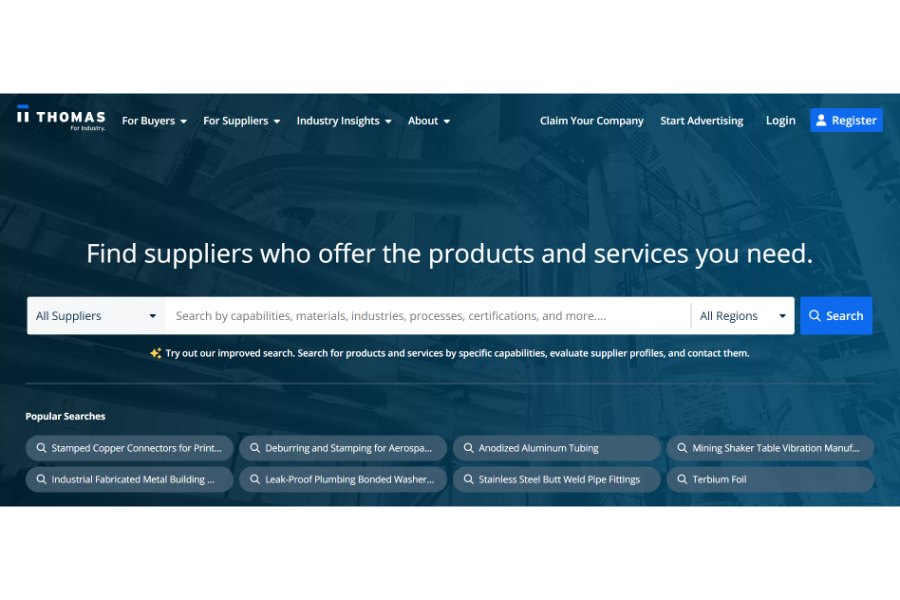
- ThomasNet (US) is great for manufacturers with stricter compliance standards and specialized production capabilities. Perfect if you want “Made in USA” branding or need FDA, ASTM, or ISO-certified goods.
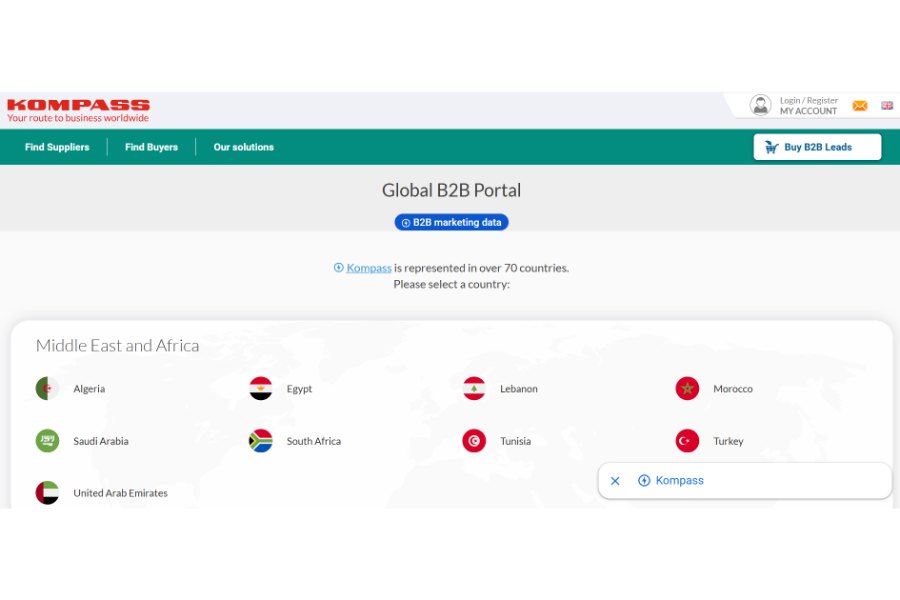
- Kompass & Worldwide Brands are B2B directories that connect you with verified manufacturers and wholesalers globally.
- Many professional sourcing agents have long-standing relationships with vetted suppliers. Their recommendations can save you from trial and error.
Before committing to a bulk order, order samples. A $50 sample order is infinitely cheaper than ending up with 500 defective units sitting in Amazon’s FBA warehouse. These are products you’ll pay to store, remove, or even destroy.
Samples allow you to check product quality firsthand, test packaging durability, evaluate supplier communication and lead time.
When ordering samples, request minor customization (like a logo imprint or packaging tweak). If a supplier refuses, that’s a red flag. It means they may not be equipped enough to handle private label branding at scale.
Source High-Quality Suppliers
Finding a supplier is one thing. Partnering with the right supplier is another. So, here’s what experienced sellers evaluate:
- Product Quality
We suggest not to rely on catalog photos. Test samples thoroughly before ordering. Order from multiple suppliers to compare, and the supplier with consistent quality is the one you must go for.
- Communication Speed & Clarity
Fast and clear communication fosters reliability. If a supplier takes 3 days to answer a simple question, imagine what happens during peak season.
- Production Capacity
Always ensure they can handle your scaling needs? If your orders double, will they keep up without delays?
- Certifications & Compliance
Especially critical for categories like toys, health, or electronics, you need to check the certifications of these sources. Ensure suppliers can provide the necessary certificates to avoid Amazon suspensions.
- Pricing Transparency
The cheapest supplier isn’t always the best for successful Amazon Selling. Balance cost with reliability. Ask for an itemized quote (product + packaging + shipping) to avoid hidden costs, along with a proper breakdown..
Things to Consider When Choosing a Supplier
Here’s the checklist seasoned Amazon sellers swear by while choosing suppliers
- MOQ (Minimum Order Quantity)
Negotiate small MOQs when starting. Testing 200 units is smarter than sitting on 2,000 unsold.
- Lead Times
Standard production runs can take 30–60 days. Build this into your launch plan.
- Flexibility
Can they accommodate customizations like logo printing, upgraded packaging, or bundling?
- Payment Terms
Many suppliers ask for 30% upfront and 70% before shipment. Use secure methods (PayPal, Alibaba Trade Assurance) until trust is built.
- Long-Term Partnership Potential
Great suppliers grow with you. If they see you as a partner (not just an order number), you’ll get better pricing, priority production, and flexibility.
How to List Products on Amazon
Once you’ve sourced your products, the next critical step is listing them on Amazon’s marketplace. Think of your listing as more than a catalog entry. It’s your digital storefront. If you’re focusing on how to sell on Amazon for beginners, this is where many sellers either set themselves up for visibility and conversions or vanish into page 10, from where recovery gets difficult.
Types of Amazon Listings
There are 3 major ways of listing.
1. Individual Listing (Manual Entry)
Ideal for beginners testing how to sell stuff on Amazon with low volume. Through Seller Central, you can manually enter product details like title, price, description, and images. It’s slower but gives you a hands-on understanding of the process.
2. Bulk Listing (Excel/Flat Files)
For sellers scaling up, bulk upload templates save time. This is how advanced sellers manage hundreds of SKUs at once. Think of it as the professional way to sell products on Amazon at scale.
3. Brand-Registered Listings
If you’ve joined Amazon Brand Registry, you unlock powerful tools: A+ Content, Brand Analytics, and protection against counterfeiters. This is the advanced stage of how to sell your products on Amazon successfully, giving your brand storytelling and trust factors that individual listings can’t match.
Standard vs. Brand-Registered Listings: The Difference
- Standard Listings: Title, bullet points, description, and images. Enough for basic visibility but limited in customization.
- Brand-Registered Listings: Include enhanced A+ Content, video, brand storefronts, and better SEO placement. These features make a huge difference when you’re figuring out how to sell an item on Amazon in competitive categories.
Optimizing Your Listing for Visibility
Keyword Research
Amazon’s search algorithm (A9) thrives on relevance. Using tools like SellerApp, you can find the exact search terms customers use when looking for products like yours. This ensures your listing appears for both broad searches and specific long-tail queries
Product Listing Requirements
Amazon has strict requirements:
- Clear product titles (no keyword stuffing).
- High-quality images (white background, minimum 1000×1000 px for zoom).
- Bullet points that highlight features and benefits.
- Accurate descriptions free of misleading claims.
The more compliant your listing, the higher your Amazon Listing Quality Score, which directly impacts visibility and Buy Box eligibility.
Step by Step on How to List Products on Amazon
- Log into Seller Central.
- Go to “Inventory” click “Add a Product.”
- Choose between matching an existing ASIN (if your product already exists) or creating a new listing (for private label).
- Fill in product details (title, brand, description, SKU).
- Add pricing and quantity.
- Upload high-resolution product images.
- Set fulfillment method: FBA, FBM, or SFP.
- Review and submit.
This process is central to how to sell on Amazon marketplace successfully.
UPC, GTIN, and EAN Requirements for Compliance
To create a new listing, Amazon requires a product identifier like UPC, GTIN, or EAN. You can purchase authentic ones from GS1. If you’re wondering how to sell on Amazon for free, remember that cutting corners with fake barcodes often leads to listing rejections or suspensions.
How to Boost Sales on Amazon: An Advanced Seller’s Guide
If you’ve already figured out how to sell your products on Amazon, the next challenge is scaling. Every seller eventually hits a ceiling where simply listing products isn’t enough no matter how advanced the listing quality is.
Success on Amazon isn’t just about knowing how much does it cost to sell on Amazon it’s about learning how to grow strategically, where competition is ruthless and buyers are spoiled for choice.
Here’s a beginner friendly guide to scaling using paid promotions.
Amazon PPC Done Right
Amazon PPC is the single biggest driver of accelerated growth. But most beginners burn cash because they don’t structure campaigns correctly. So, here are the core campaigns.
Since you’re figuring out how to sell on Amazon, start with running auto campaigns to understand what keywords are
Three Core Campaign Types
- Sponsored Products are Your Primary Sales Driver
70-90% of the entire PPC budget goes into the Sponsored Products campaign. These ads put your listings directly in front of shoppers actively searching for what you sell.
As a seller learning how to sell on Amazon, start by running broad-match campaigns to uncover high-performing keywords you may not have discovered yet.
Once you gather performance data, reallocate the budget to phrase and exact matches to reach most of the customers yet reduce wasted spends, and capture only high-intent buyers who are ready to purchase.
- Sponsored Brands to Own the Category Space
Sponsored Brands campaigns are for when you want to go beyond single-product visibility and build overall brand presence. It allows you to showcase your logo, tagline, and multiple products in a single ad unit.
From a campaign manager’s perspective, these ads are best used to dominate a category, reinforcing brand identity and authority, and drive shoppers to your Amazon storefront (and not just one listing).
When executed strategically, Sponsored Brands can increase cross-sells, lift overall brand awareness, and strengthen the long-term presence of your catalog.
- Sponsored Display to Capture Missed Opportunities
Sponsored Display is Amazon’s retargeting weapon. It targets shoppers who have viewed your products but didn’t convert, and even allows capturing attention from competitor listings.
For sellers serious about how to sell products on Amazon efficiently, Sponsored Display campaigns recover lost traffic, nudging hesitant buyers, and increasing overall conversion rates without relying solely on new traffic acquisition.
Advanced PPC Tips (SellerApp expert-approved tips below)
- Use placement modifiers (top of search vs product pages) to push high-converting spots.
- Mine negative keywords weekly to cut wasted spend.
- Build ASIN-targeting campaigns against competitor listings to redirect potential buyers to your listing.
When executed well, PPC accelerates your organic ranking, lowering your reliance on ads in the long term.
Organic Sales Growth Building Trust & Visibility
Always remember that paid ads open the door, but organic sales keep profits healthy.
Leverage Best Seller Rank (BSR)
Amazon’s algorithm rewards consistent sales velocity. So, if you push your product with PPC, your BSR improves, which fuels organic traffic.
Reviews as Social Proof
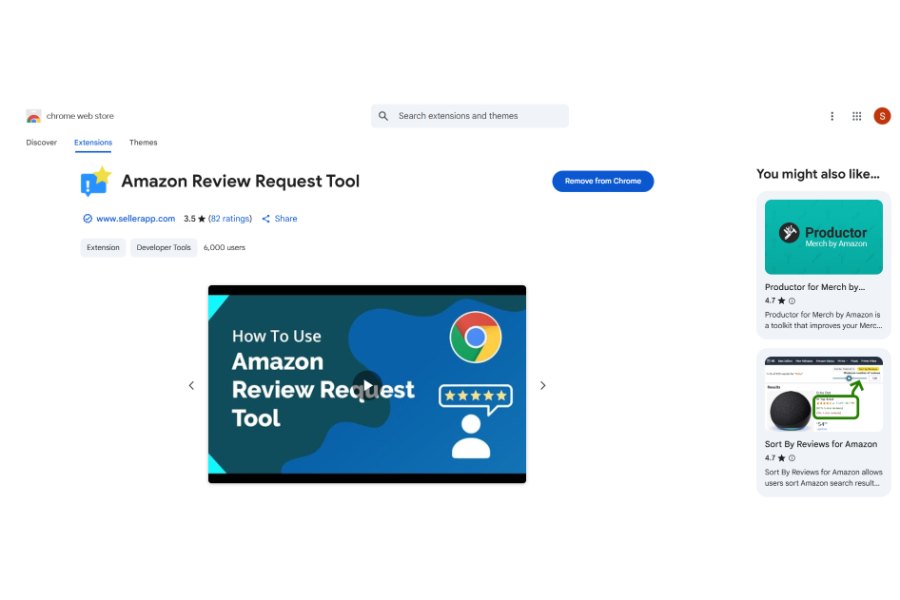
Use SellerApp’s “Request a Review” extension to generate bulk review requests systematically. You can also enroll in Vine (for brand-registered sellers) to get high-quality reviews that will boost your sales momentum.
Products with 50+ reviews convert up to 200% better than those with fewer than 10. For sellers wondering how to sell on Amazon, leaning on BSR momentum and reviews is the least costing growth lever.
PPC Campaign Best Practices Approved by SellerApp Ad Managers
Build a Full-Funnel PPC Structure
Top-performing campaigns of our clients use a carefully layered, full-funnel approach rather than relying solely on auto campaigns. A well-rounded strategy includes category campaigns to drive brand visibility and discover new keyword opportunities, product targeting campaigns to draw high-intent buyers from competitor listings, and boosting cross-sells.
Branded campaigns, on the other hand, protect your own keywords while maintaining low ACOS. Sometimes you need to run defensive campaigns as well to prevent competitors from stealing traffic from your product page. For burner campaigns, use low bids and loose match types to generate organic sales. This, in addition, uncovers hidden opportunities.
Optimize Your Keyword Strategy
Effective keyword mining separates high performers from wasted ad spends. Map keywords according to subcategory intent. This will ensure broad category campaigns capture top-of-funnel traffic, while more precise subcategory terms will target high-intent buyers.
Continuously mine close and loose match type keywords to find new, profitable search terms.
Take Advantage of Placement Optimization
Placement adjustments can significantly impact both visibility and profitability. Use placement multipliers to prioritize top-of-search or product page placements based on data-driven insights. Cap bids intelligently to prevent overspending while maximizing exposure. Brands like PetPals (our client) achieved stronger category dominance with strategic placement bidding.
Combine AI with Human Oversight
Automation can streamline campaigns, but human expertise ensures efficiency from all sides, especially when combining strategies. AI-backed bidding can handle real-time adjustments and scaling, while senior ad managers should monitor campaigns to detect anomalies, prevent wasted spend, and guide optimization decisions. Else Nutrition’s ACOS reduction was a direct result of this AI-human synergy.
External Traffic that Helps You Own Your Audience
Amazon rewards listings that drive external traffic with higher visibility, because you’re essentially bringing them more customers.
Social Media Funnels
Social platforms are ideal for building awareness and driving high-intent traffic to your listings. TikTok, Instagram, and YouTube are especially effective for lifestyle demonstrations, maybe through unboxing videos and tutorials. It is particularly powerful for new sellers experimenting with how to sell stuff on Amazon, as it allows low-effort testing of product appeal.
Say, a short TikTok video showing a portable blender shaker making a smoothie on the go will take no time to go viral among busy fitness enthusiasts. If linked directly to your Amazon listing, this content can generate thousands of visits and even sales overnight.
So, build a content calendar around product usage, seasonal trends, and user-generated content to keep content ready and maintain a steady stream of traffic that keeps boosting the algorithm. Include call-to-actions (CTAs) with clear incentives such as “Get yours on Amazon now for 20% off today!” to convert interest into actual purchases.
Google Shopping Ads
While Amazon PPC targets people already inside the marketplace, Google Shopping lets you reach buyers who might not be on the marketplace but can be redirected.
You start by bidding on product-specific, high-intent search terms like “buy wireless earbuds online” or “eco-friendly yoga mat for home” and linking them to your Amazon storefront.
When you combine Google Ads with seasonal campaigns, highlight top-performing products to drive both awareness and conversions.
In this way, you can expand your reach to shoppers who are actively looking for products like yours elsewhere. So, for sellers wondering how to sell items on Amazon by mitigating internal competition, Google Ads is a powerful tool. It brings in high-intent buyers but from outside Amazon.
Final thoughts
Here’s some good news if you’re learning how to sell on Amazon. Amazon in 2026 offers unparalleled opportunities for both new and experienced sellers, thanks to its customer base and advanced tools. With a high shopping frequency and robust fulfillment options, Amazon remains the most powerful platform to grow an ecommerce business.
By understanding fees, compliance requirements, and business model options and by optimizing listings, leveraging PPC campaigns, and driving both organic and external traffic, sellers can build profitable, scalable businesses.
For hands-off growth, consider Amazon seller account management services covering listings, ads, and compliance
Additional read:
What Are Amazon Compliance Documents?
How does Amazon Marketing Cloud work?
How to optimize ads with AMC and Amazon Ad Server?
Amazon Seller Software