



Amazon SEO is more than the fuel that helps you run the race. It’s the GPS that guides your products to the right customers.
Think of Amazon as both a marketplace and a search engine. Every time someone types in what they’re looking for, Amazon’s algorithm quickly decides which products to show first, and the products that are displayed on top are not randomly decided.
Your Amazon SEO journey kicks off by uncovering what truly drives your product rankings (don’t worry, we’ve decoded those ranking signals for you in the next section). From there, it’s all about learning how to fine-tune each of those levers to push your Amazon listings to peak performance.
Whether you’re new to selling or looking to scale your business, understanding and applying Amazon SEO best practices is what sets successful sellers apart. The icing on the cake would be us spilling the details about the tools that you can use to gauge and maximize its effectiveness.
But before we start, let us explain how our team at SellerApp changed the course of action for a board game brand just by elevating the Amazon SEO practices
How a foldable board game 2x its sales with strategic Amazon SEO optimization with SellerApp
The brand, Wudly Games, operates in the highly competitive Toys & Games category of Amazon, where visibility and differentiation are key to success. It is a mid-sized seller known for creating innovative and engaging board games.
To improve performance, the brand partnered with SellerApp for comprehensive optimization services, including Amazon listing enhancement, a data-driven keyword strategy, and a complete modification of its lifestyle imagery.
The challenge
In the crowded Toys & Games category, this particular board game brand had a great product, but it was struggling to stand out. Despite solid construction and a thoughtful design, the brand wasn’t converting views into sales.
SellerApp’s Amazon PPC experts discovered that the description lacks clarity on its foldable feature. This feature wasn’t coming through clearly in their Amazon listing.
The product images were generic, not highlighting them. Most importantly, the listing didn’t reflect how this product could solve a real user need: easy storage, portability, and convenience.
How SellerApp’s Amazon SEO strategy changed the game
Our team at SellerApp stepped in with a clear goal to help the product get discovered for the right reasons and convert better once discovered. We began by identifying their true USP, i.e, the foldable design, and made it the centerpiece of the product story across the listing.
Here’s what changed:
The title was rewritten with a mix of high-intent keywords and practical context. It now spoke directly to shoppers looking for compact, travel-friendly games, which is a growing niche in the category.
Bullet points and descriptions were restructured to highlight not just features. Benefits like how the foldable board fits into tight spaces, makes travel easier, and reduces mess were narrated using lifestyle images and descriptions.
Backend keywords were updated with long-tail phrases and shopper-aligned queries that were previously missing.
Images were revamped to include lifestyle shots showing the game in action, like on a coffee table, inside a backpack, or being played outdoors. These helped build trust, scale, and relevance.
The entire listing was revamped. In addition to the latest and effective Amazon SEO best practices, SellerApp included high keyword relevance, compelling copy, and clear value demonstration..
The results
Within just two weeks of launching the new listing, the impact was clear. Not only was the listing receiving traffic, but also in actual performance,
- Organic orders grew by 54.90%, and organic sales increased by 19.23%, validating the success of the SEO-led improvements.
- Impressions rose by 48.13%, while clicks climbed 40.41%, showing proof that better keyword targeting and content increased visibility.
- CPC dropped by 7.60%, helping the brand stretch its budget further and win more placements.
- Sales rose by 139.83%, jumping from $2,261 to $5,423 in ad-attributed revenue.
- Ad orders grew by 132.56%, from 86 to 200, showing a clear lift in conversion performance.
- Total orders more than doubled, from 137 to 279.
- Total sales increased by 95.81%, reaching nearly $7,000 in the first half of June alone.
- ROAS improved by 84.85%, indicating better ad efficiency and lower cost-per-acquisition.
- ACoS dropped by nearly 46%, down from 66.29% to 35.86%, freeing up budget for scaling.
- TACoS also fell by 33.74%, a sign that organic sales started contributing more to the revenue mix.
The Takeaway
This board game brand didn’t need to change its product; we simply tweaked the way it was presented. By optimizing their listing through a focused Amazon SEO strategy and leveraging their foldable design as the hero, they turned around performance in a highly competitive category.
The case proves that when your Amazon SEO best practices align with the algorithm and user behavior, visibility increases and revenue peaks (fast!).
What is Amazon SEO?
Amazon is now a regular choice of urban shoppers. But when you crossover to the other side, i.e, from buying to selling, you may often wonder about its background ranking mechanisms, thinking “what is Amazon SEO and how does it work”.
So, for starters, think of it as the engine behind product discovery on the world’s largest online marketplace.
Amazon SEO (Search Engine Optimization) is the backbone of optimizing product listings. Hence, they appear at the top of search results, gathering people’s attention, driving clicks, and consequently converting casual searches into customers.
But here’s the twist.
Unlike Google, which juggles informational, navigational, and transactional searches, SEO for Amazon is purely about one thing, i.e, selling. Shoppers on Amazon aren’t browsing for information or ideas; they’re searching with their wallets open, ready to grab the best option for the best deal.
That’s why Amazon SEO optimization is all about making your listings as relevant and high-performing as possible in the eyes of Amazon’s algorithm.
Amazon SEO strategy focuses on two key factors.
- Relevance, which holds a mirror asking, “Are you using the right keywords in the right places?”
- Performance that highlights whether you are actually gaining people’s preference and making sales.
Amazon’s A9 algorithm determines the Relevance and Performance of a product. Let us break it down to you.
To determine relevance, A9 examines:
- Use keywords in your product title, bullet points, description, and backend terms.
- Accurate categorization and subcategory placement.
- Synonyms and even common misspellings in keywords.
This is where the fundamentals of any Amazon SEO strategy begin.
Relevance gets you into the race; performance keeps you in it.
To determine performance, A9 examines,
- Sales velocity (how often your product sells).
- Conversion rate.
- Customer reviews and ratings
- Price competitiveness
The more your product sells, the higher it ranks. That’s the flywheel A9 loves.
Amazon didn’t stop with A9. As buyer behaviors evolved, so did the algorithm.
However, recent years have called for an update, so the A10 algorithm was introduced. It is a more refined, buyer-focused approach, bringing new complexity to the ranking game.
Here’s what changed with the advent of A10 and how it changed Amazon SEO optimization:
Higher weight on seller authority
Sellers with strong reputations, consistent delivery, and top-notch customer service gain a serious edge.
Preference for organic sales
Amazon now gives more weight to listings that perform well without paid ads. So if you’re driving genuine, sustained interest, focusing on organic growth, A10 takes notice.
External traffic matters
Unlike A9, the A10 algorithm rewards you for sending traffic from outside Amazon, whether from social, email, influencers, or blogs. To A10, more eyeballs equal more competency.
Long-term performance tracking
A10 stresses the consistency of your product performance. This means that short-term spikes don’t mean much if your listing can’t sustain the traction that you may sporadically receive.
What You Need To Know About Amazon SEO in 2026?
To optimize a product listing on Amazon, a seller should comprehend the key ranking factors for the A9 algorithm.
Now that you have a clear understanding of product categorization and URL structure, let’s explore how to effectively optimize your product listing.
Besides learning about Amazon’s On-Page SEO, you will also learn the various factors that Amazon takes into account for displaying a product in the top results.
SellerApp distinguishes the aspects of one listing into two broader categories that determine your Amazon SEO optimization success.
- Desirability
- Discoverability
Check this free tool to check how quality is your Amazon product listing
What Factors Come Under “Desirability?”
The factors influencing “desirability” are primarily aimed at the user and the user experience. Therefore, this aims to determine how well a user converts once they are on the product page.
These primarily include on-page factors like:
- Appealing product images
- Optimized product title
- Competitive product price
- Good product reviews and ratings
- Describing the product in clear bullet points
- An attractive product title that favors users’ click-through rates
- Conveying the message as to how your product is different from the others
What Factors Come Under “Discoverability?”
Compared to the “desirability” factors, the ” discoverability ” factors don’t aim at a user. Instead, they primarily address the indicators that assess how a product is displayed and the probability of its purchase.
It is apparent that Amazon places the most profitable product with a reasonable conversion rate at the top, given that they include multiple factors like:
- Fulfillment method (FBA)
- Price
- Stock availability
- Shipping cost
- Amazon keyword research and optimization.
To hit the right spot when it comes to both these factors, it can be challenging to get a clear understanding of where your product stands.
Thus, SellerApp brings you a solution to get past the assumptions and clarify Desirability and Discoverability.
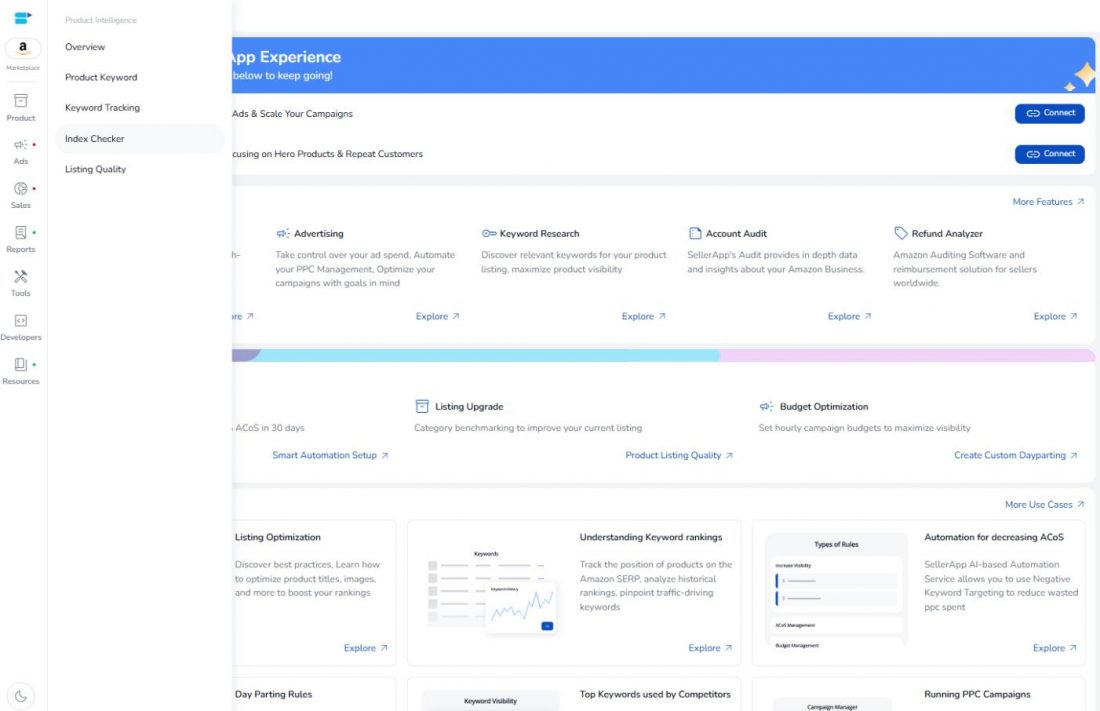
- Go to the SellerApp dashboard, and click on ‘Product’.
- Go to ‘Track product’ in the top right corner.
- Add your product ASIN and click ‘Track product’.
- Once it’s successfully tracked, click on ‘Listing Quality’.
- Choose your listing.
- So you get an overview of the Discoverability and Desirability factors.
If you scroll further down, you’ll see a detailed breakdown clarifying what you need to tweak in your listing to get the best organic ranking.
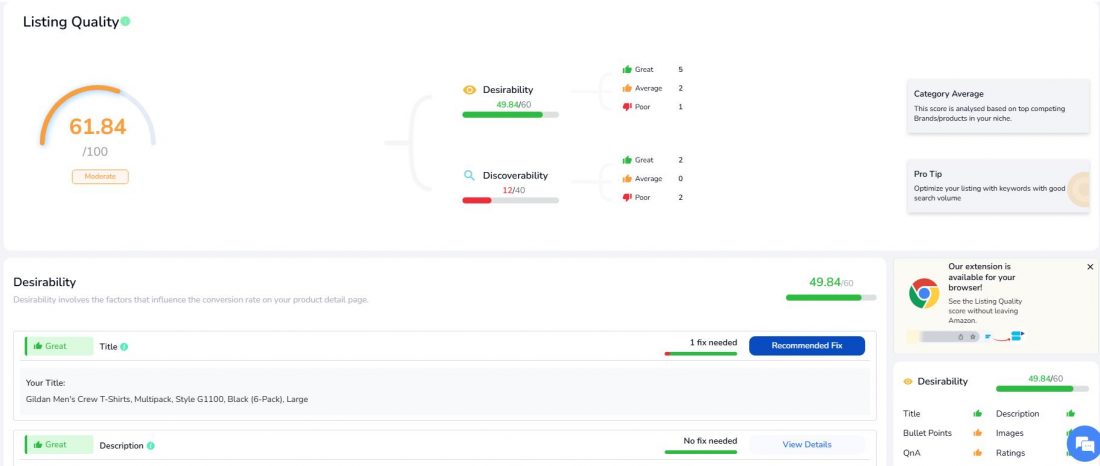
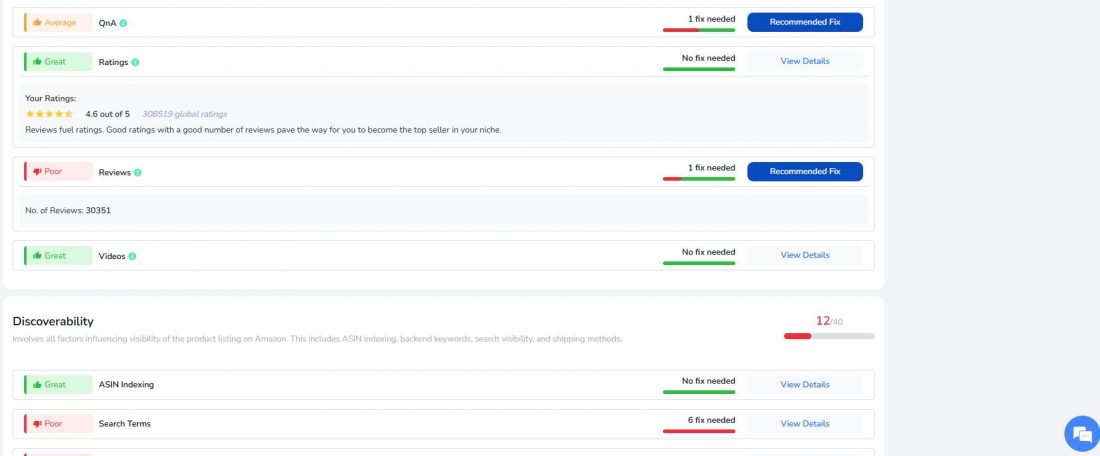
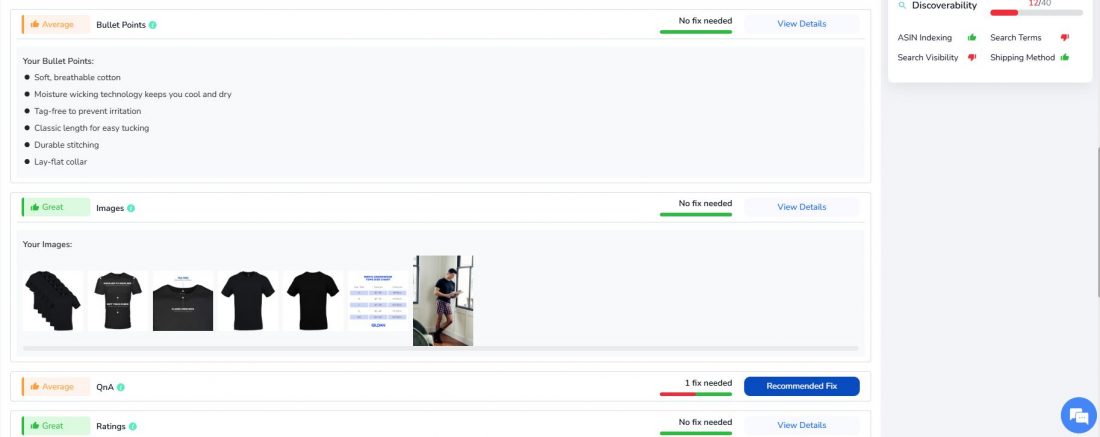
Here, to understand the success metrics of the listing quality that leads to better visibility in Amazon SEO, you need to make sure you properly understand the structure and listing components.
Amazon Product Listing Structure and the components
When working on Amazon SEO optimization, it’s essential to understand how customers interact with each of your product listings. Just like a website or newspaper layout, an Amazon product listing is divided into two zones: the above-the-fold and below-the-fold.
Above the fold refers to everything a user sees immediately after landing on your product page.. These components have the highest visibility and thus play a critical role in determining their purchase decisions.
Below the fold, the listing includes elements that give you a complete know-how about the product. These sections might not catch your attention in the get-go, but are still essential for SEO on Amazon, helping to build trust by providing detailed information and influencing the algorithm.
As part of your overall Amazon SEO best practices, understanding what Amazon SEO really entails means knowing how to optimize both zones effectively.
We’ll share tips on how to optimize for a strong Amazon SEO strategy in our following segments. But for now, understand the components better.
| Location | Component | Why it Matters |
|---|---|---|
| Above the Fold | Product Title | Amazon’s algorithm reads it closely, making it a significant lever in your Amazon SEO optimization toolkit. |
| Product Images | Shoppers scroll visually before physically. Great images lead to more clicks, conversions, and a better rank. | |
| Amazon Badges (“Best Seller”, “Amazon’s Choice”) | Badges boost buyer confidence and signal authority to shoppers and Amazon’s search engine. Better performance metrics mean stronger SEO visibility. | |
| Product Rating & Review Count | Shoppers notice stars first. Ratings drive conversions, which drive rankings. Not a keyword factor, but a massive SEO multiplier. | |
| The Buy Box | Winning it increases sales velocity, a key SEO performance signal. | |
| Variants (Size, Color, etc.) | Options streamline buying and improve user experience, leading to organic boost and better visibility, as Amazon rewards engaging listings. | |
| Bullet Points | Guide quick decisions, highlight features, answer objections, and add extra keywords to make conversion easier. | |
| Below the Fold | Product Description / A+ Content | Your storytelling zone. Builds trust and lets you add long-tail keywords. Supports SEO by boosting time-on-page and session depth. |
| Product Reviews | You can’t control them, but reviews influence buyer trust and conversions, strengthening your SEO position. | |
| Q&A section | This is not only a way to incorporate Amazon SEO keywords, but also to stay proactive as a seller, increasing conversion. | |
| Backend and strategy | Backend Search Terms | Not visible to customers, but Amazon’s algorithm reads them. Use for secondary keywords, misspellings, and alternate phrases to improve discoverability. |
| Pricing & Promotions | Competitive pricing helps win the Buy Box. Promotions or coupons nudge buyers to act, leading to more conversions and better algorithm favor. | |
| Fulfillment Method (FBA vs. FBM) | FBA gives Prime eligibility and boosts conversions. Amazon prefers FBA in search results, making it a subtle but profound SEO advantage. |
Why is Amazon SEO important?
A well-optimized product page isn’t just effective for its appearance, but also for its backend optimization, which is hidden from plain sight. By applying Amazon SEO best practices, you’re telling the algorithm your product is exactly what a particular user wants.
If you get it right, Amazon rewards you with prime real estate within the search results at the top of the page. In simple terms, Amazon SEO optimization is what gets your products seen, clicked, and bought.
Why Amazon SEO matters more than ever?
Shoppers don’t scroll
Most buyers click on one of the first few results. So if you’re not on page one, you’re invisible. A strong Amazon SEO strategy can help you aim for a higher organic position..
High rankings drive trust
Products that rank higher don’t just get more traffic, they qualify for Amazon badges and look more trustworthy. That’s what drives conversions. So, leverage Amazon SEO for the best results.
You can win organically
With smart SEO Amazon practices, you don’t have to rely on paid ads. Optimizing your effective Amazon SEO best practices helps sellers like you to get free, recurring traffic from buyers who are ready to purchase.
Why Amazon SEO Is the Engine Behind Your Product’s Visibility
Think of Amazon SEO like the GPS guiding your product. And when it is absent, you’re just another listing stuck in the back alleys of page 7. You might have the best product, but you remain unseen and unsold. Not exactly where you’d want to be, right?
With the power of Amazon SEO optimization, showing up exactly as what shoppers need isn’t a big deal. Let’s check out the real-world impact of SEO for Amazon and why it could be the smartest move.
With 70% of purchases happening from page one results, ranking high is everything. Because products that rank high get seen. Listings that get seen get picked. As we mentioned, Amazon’s algorithm doesn’t guess; it relies on relevance. That means if you’re not optimized, you’re invisible.
Beyond just keywords
People don’t go to Amazon to think about buying, they go to buy. So, your Amazon SEO strategy should match that urgency. Amazon SEO (powered by A9 and A10 algorithms) relies heavily on relevancy signals
When you practically. Implement the best Amazon SEO practices; it’s not just about stuffing keywords, it’s about matching what buyers search, how they search, and why they buy.
Now, imagine two listings:
Listing A is titled “Bluetooth Headphones with Long Battery Life”, with vague bullet points like “great sound” and “comfortable design.”
Listing B, on the other hand, uses solid Amazon SEO optimization. Listing B followed Amazon SEO best practices, adding long-tail keywords, benefits-focused bullets, and backend search terms.
The title reads: “Wireless Noise Cancelling Headphones, Bluetooth 5.3, 60H Playtime, Over-Ear, Deep Bass for Work & Travel”. The bullets highlight use cases (Zoom, flights, workouts), keywords match the user’s query, and backend search terms fill in variations like “Bluetooth headphones,” “ANC,” and “over-ear headphones.”
Guess which one the A9/A10 algorithm pushes to the top?
Listing B wins because it’s not just keyword-stuffed, it’s aligned with how users actually search and why they want the product.
That’s how SEO for Amazon works: you’re building a listing that speaks to buyer intent, not search engine bots.
Ranking well creates a snowball effect
Here’s where Amazon SEO optimization becomes a compounding advantage:
Your optimized listing starts ranking → You get more impressions → Those impressions turn into clicks → Clicks turn into sales → Sales boost your rank even further.
You start generating organic traffic, free, recurring visibility comes as a byproduct, without constantly feeding the ad machine.
SEO Amazon makes growth less expensive
Amazon ads are great resources to boost visibility, but let’s be honest, they’re expensive. With solid Amazon SEO optimization, you can cut your ad budget without cutting down on potential opportunities. Thus, your listing becomes a magnet on its own.
Top brands rely on SEO for Amazon tools that:
- Uncover high-intent keywords
- Optimize listings at scale
- Track organic rank gains
- Test and iterate based on data
This is why Amazon SEO best practices aren’t just for new listings. You can log in to your Amazon Seller Central account and update the listing anytime to keep up with what the Amazon A9 and A10 algorithms demand.
Amazon SEO Strengthens Brand Trust and Discoverability
Products that consistently rank well build brand authority. Shoppers assume higher-ranked products are better and more popular. This leads to:
- More reviews
- More social proof
- More word-of-mouth traffic
Creating a stronger brand presence is substantial, and in a saturated marketplace, that trust becomes your moat.
So, what is Amazon SEO? It’s not just keyword sprinkling. It’s the difference between products that exist and products that dominate. If you’re serious about long-term sales, visibility, and efficiency, mastering your Amazon SEO strategy should be step one.
Amazon SEO: Product listing best practices to make your Amazon products rank
Here are a few tips and tricks that tell how to tackle Amazon’s A9 ranking factors and improve the results systematically:
Product Images
Whatever looks good sells. And it holds true for Amazon marketplace as well. So, your main image should be high-resolution (something between 1000 × 1000 pixels / 1500 × 1500 pixels), clean, clearly communicate the product’s core offerings, highlight how it fits into a user’s daily life, and use secondary images to show use cases, lifestyle shots, and key features.
Amazon recommends using larger images to enable its “zoom” function. Keep in mind that images have a larger bearing on velocity and, hence, influence a great deal.
For instance, Medalia Art took their selling strategy to a whole new level by using distinct image tactics. They saw about a 95% increase in their CTRs when they replaced their painting images with the corresponding artists’ pictures.
Understand that every shopper who arrives at Amazon wants to make a concrete picture of the product before making a purchase.
Something that not only adds clarity to the listed object’s size but also elevates the value of the product. By keeping skin tones as a reference, Elf provides clarity on how Elf glosses will look on different people.
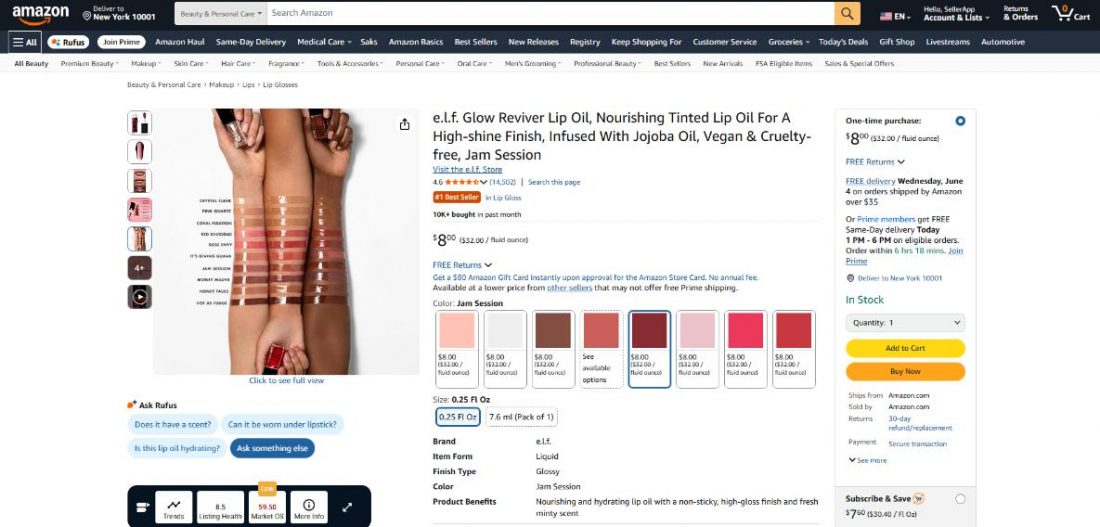
As a best practice, always include lifestyle images that show your product in a real-world setting alongside reference objects such as a coffee mug, a hand, a desk, or furniture. These visuals do more than clarify its size and dimensions, but in a way, they enhance the perceived value of the product by helping customers imagine the product in their own lives.
Say, you want to introduce your brand to the market as a premium product, it’s always a good idea to place the product among other premium products to elevate its status.
We’ll explain.
If you’re launching a new lip gloss, keeping a Birkin bag in the background and including it within the lifestyle image will help your product share the status of the Birkin and, in a way, influence buyers’ perception.
Product Title
Your title plays a dual role. On one hand, it needs to be rich in Amazon SEO keywords to improve discoverability, but it must also remain readable and relevant to the shopper by providing a bit of context about it. An ideal title includes the brand, product type, key feature, and size or quantity. Here’s an example.

Here’s how to craft an ideal product title using Amazon SEO best practices:
- Start with the brand name. (Amazon’s style guides typically ask sellers to start the product title with the brand name)
- Follow it up with a core item description(filament, in this case)
- Add in a high-priority keyword (crucial for SEO Amazon visibility)
You can use the SellerApp keyword research tool to identify terms with high volume and relevance - Include key differentiating features (like the weight and dimensions in this case).
- Mention variant (for quick context, which helps customers make quick decisions)
Note: Avoid keyword stuffing. While it may be tempting, keyword-bloated titles often appear unnecessary, spammy, and can reduce click-throughs.
Stay within Amazon’s character limits. Your product titles must ideally be within 200 characters max. A well-optimized title doesn’t just boost your ranking; it speaks directly to the shopper’s intent and encourages them to click.
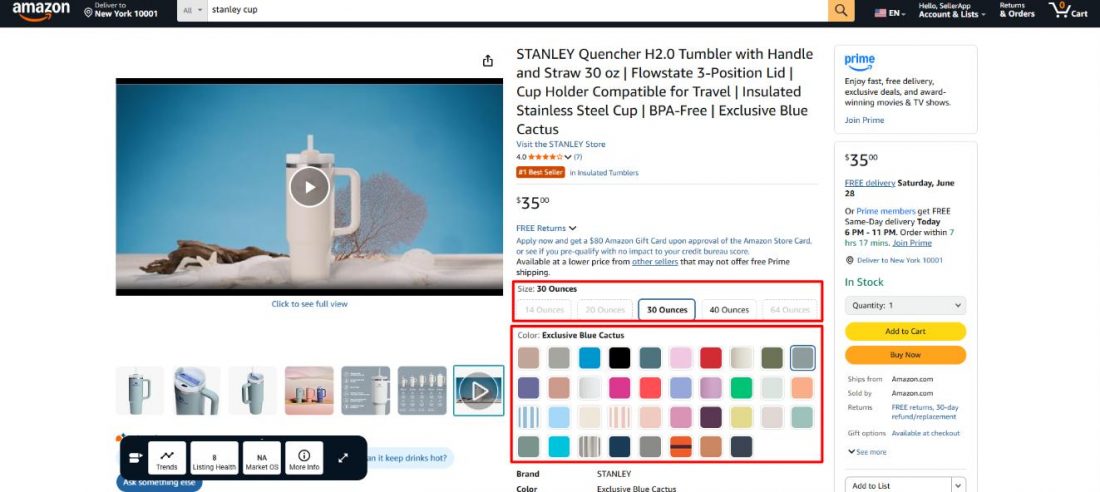
Product Variants
Size, color, quantity, and packs are considered listing variations that need to be structured clearly. A parent ASIN can have multiple variants as child ASINs. Poorly optimized variants leading to unclear parent and child ASIN differentiation can confuse buyers or split reviews across multiple listings. Either way, your sales velocity will suffer in both cases, ultimately affecting your Amazon SEO optimization.
Amazon Badges
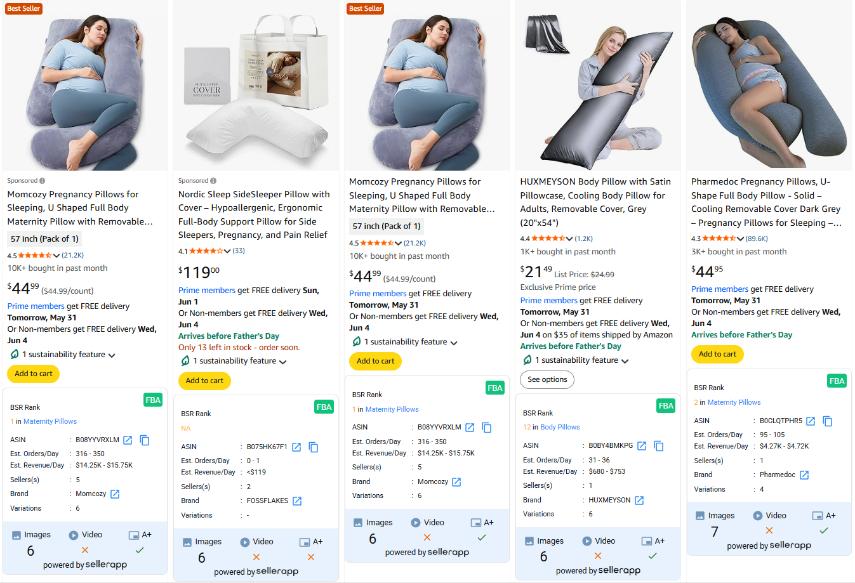
Amazon Badges such as Amazon’s Choice, Best Seller, and Prime Eligible are trust signals that make you ideal customers choose you over the rest. Sure, these are algorithmically awarded, but you can optimize your listing and maintain a steady inventory health that can increase your Amazon badge eligibility.
Like when you see these 5 listings in a row, you naturally reach out to the ones with the bestseller tag, as it signals a better tendency of a successful purchase.
Product Ratings & Review Count
Amazon SEO naturally places you in a higher position when your reviews and ratings are solid. A 4.5-star rating with hundreds of reviews signals social proof, quality, and satisfaction rate. The closer your rating appears to the title, the more it influences trust and click-through rates.
A smart SEO for Amazon strategy includes gathering verified reviews via post-purchase bulk review automation tools such as SellerApp Amazon Review Request tool. Most importantly, it sets up the stage for you to win the Buy Box and Amazon Badges.
The Buy Box
Winning the Buy Box is critical, which factors in fulfillment method, pricing, shipping speed, seller performance, and overall Amazon Seller Central account health. This means, if you focus on making your products and delivery on point, Amazon SEO will push your listings organically to the top.
For FBA sellers, it’s easier because they can use Amazon’s inventory management and fulfillment infrastructures for an organic boost while Amazon takes care of the timely fulfillment. But as a message of caution, it can break your bank and eat up your profit margin.
Bullet Points
Think of bullet points as your product’s “elevator pitch.” When shoppers are in the moment of selecting, they mostly skim through the listings. Obviously, nobody has the time to scan through the ocean of product descriptions. The bullet points are your saving grace when it comes to communicating your unique selling point or regular features. The bullet points explain benefits, address objections, and match buyers’ search intent.
Additionally, Amazon’s A9/A10 algorithm hates walls or chunks of text in one go. So, the bottom line is, use bullet points to write and describe your product precisely.
Again, you should be cautious not to fill the bullet points indiscriminately with keywords but to emphasize specific product features such as size, weight, and color, given that the keywords are naturally inserted. It shouldn’t make it awkward to read.
Hot tip? Use an online tool like AI text summarizer to help you pick key aspects from your product description draft. These can be shared as bullets for major impact.
All in all, the bullet points have more space than the title. The position of the keywords is not relevant. It is more important to meet the seekers, to influence them to make a purchase.
Non-responsive bullet points can quickly make the user jump off. This affects the “bounce rate,” which in turn, can have a negative impact on the rankings.
Read our detailed article on how to write a great description in bullet points to enhance sales.
Incorporating keyword-rich phrases without sounding robotic is part of Amazon SEO best practices that you can incorporate.
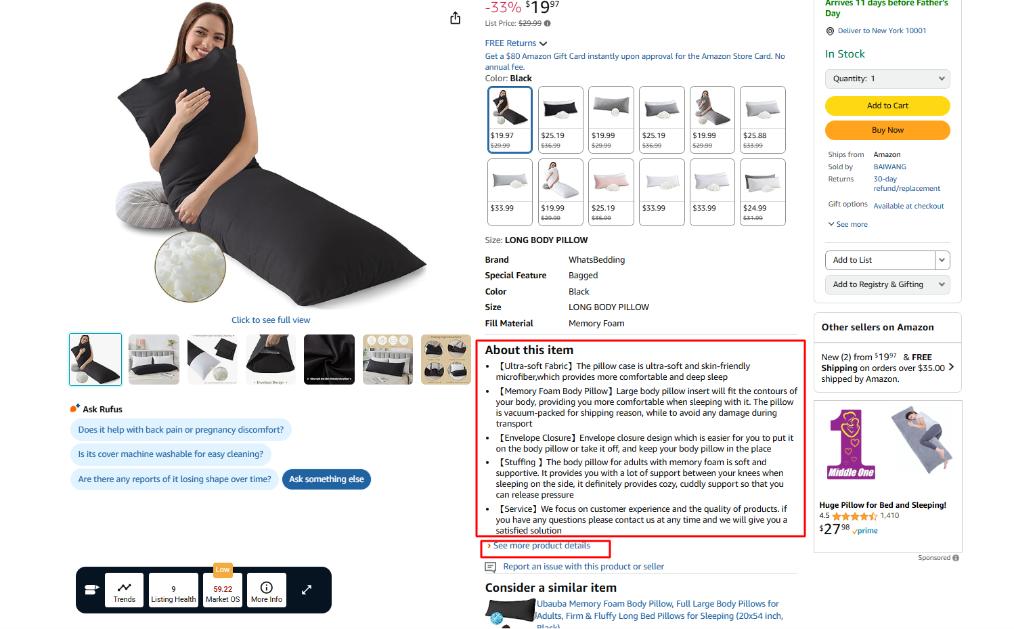
Once a shopper scrolls down, they’re looking for reassurance or better alternatives. This is where they stumble upon these factors. These go a little deeper into describing the product or experiences for customers to better judge. But can you influence the Amazon algorithm using these as tools as well?
Customer Q&A
Shoppers want transparency. So where do they go? Straight to the Q&A section, where they can get direct answers to their product queries, and the nitty gritty that you may not find within the listings. By proactively answering frequent questions, you can show that you understand your audience and reduce hesitation in the buyer’s journey, helping them convert.
Promotions & Coupons
Prominent coupon badges like “Save $5” are conversion magnets. They stand out in search results and encourage quick action. Used strategically, they can also help win the Buy Box and influence SEO Amazon rankings.
Product Description and A+ Content
If they’ve made it this far in the listing, they’re interested. A no-brainer would be to ask you to use our Keyword finder to optimize your product description.
Apart from the other key aspects, the product description serves to persuade the customer to make a purchase. Therefore, it is important to highlight the use cases and true characteristics of the product. This will optimize your product for Rufus AI and maximize discoverability.
Again, the right keywords should be placed here, and understand the Search Term Reports to incorporate the exact words customers are using for your product.
On the other hand, the A+ Content within your listing lets brand-registered sellers tell their story with visuals, comparison charts, and feature callouts. This section can make the difference for shoppers who are weighing your product against others. Making it more scannable will convince the customers faster.
Optimize image size (970px wide recommended) and use alt text in backend settings for accessibility and SEO. Large media also affects how quickly pages render; understanding CDN image delivery helps you serve assets faster without changing your content. A comparison chart (great for brands with multiple SKUs) or call out certifications, guarantees, or unique features work equally well for A+ content.
Make sure the visuals are category relevant. For example, a baby product should feel soft and safe to look at with added elements such as feathers, but a tech product should feel sleek and cutting-edge. To sum it up, use A+ content to represent your products better.

Customer Reviews
Reviews provide the final emotional and rational validation. When it comes to Amazon SEO, a product’s ratings and reviews are yet another pertinent component, which are evaluated and considered for better rankings. Simultaneously, they make sure that there is an indirect improvement in the SEO Amazon rankings. This, in turn, influences the click-through rates and conversions.
The higher the positive reviews, the better the product’s perceived value. This is also reflected by the ratings of other users and buyers, who can consider the customer reviews helpful or unhelpful. Like reviews, those little yellow stars below the title play a key role in enhancing the click-through rates. These lead to some higher click incentives with an appropriate figure and some tremendous average ratings overall.
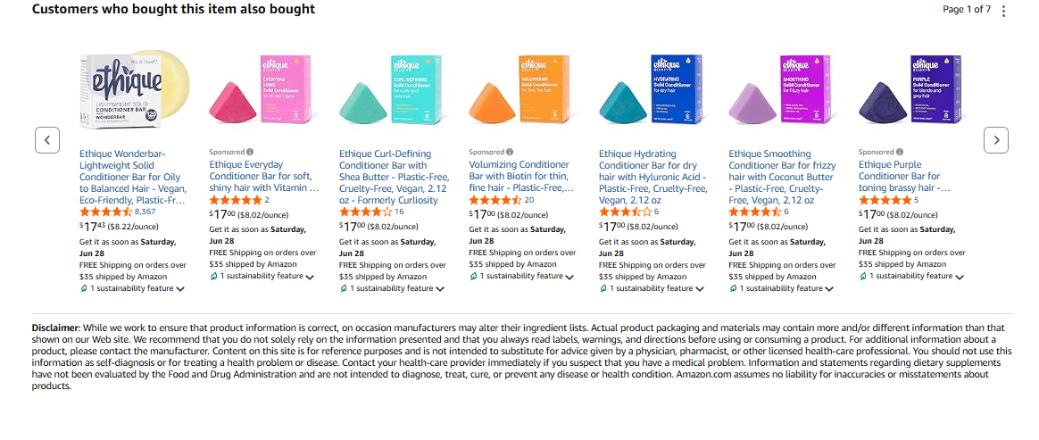
“Customers Also Bought” and “Sponsored Products” sections
This is Amazon’s built-in cross-sell engine and also your competition. If your listing doesn’t seal the deal above the fold, Amazon will suggest similar products. Your listing needs to be compelling enough to keep the shopper from straying.
Make sure it’s never out of stock (to maintain Account Health)
Manage your inventory well to avoid going “out of stock,” as this can cost you a huge amount of rankings, affecting your Account health.
If you happen to use the Fulfillment Method or Amazon FBA, you can set reminders automatically to notify you whenever your product inventory hits a particular level where you have to restock. This significantly impacts your Amazon SEO ranking by maintaining your Amazon Seller Central Account Health Score.
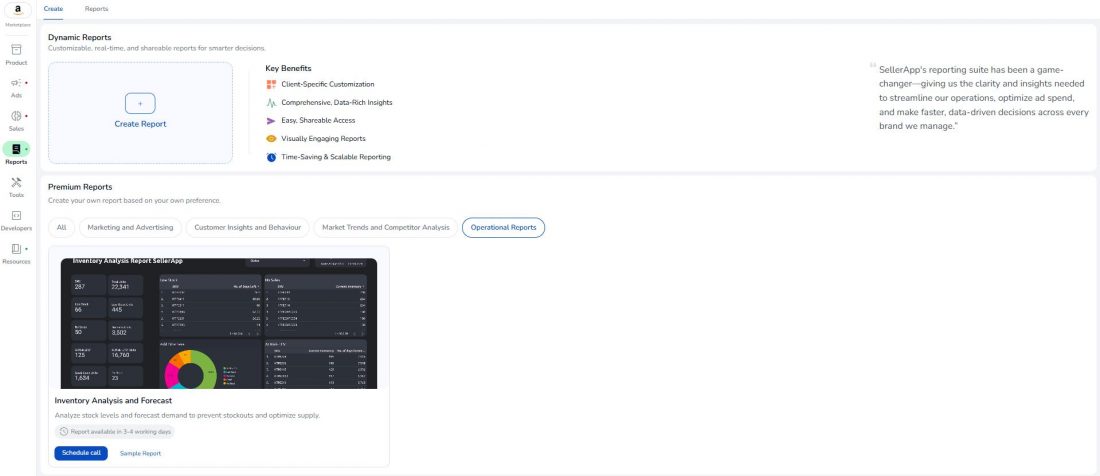
On the other hand, if you are selling your product on various websites, utilize multichannel sync platforms to assist you in synchronizing your inventory so that it never falls to zero. However, if Amazon is your only marketplace, you can use standalone stock management platforms. We have a solution to make sure the inventory levels never suffer. Opt for our Inventory Analysis and Forecast reports for a better forecast of demand to prevent stockouts and optimize supply.
Nevertheless, if you are selling independently, sourcing, stocking, and shipping, everything by yourself, ensure to be on top of the inventory by staying in contact with the suppliers constantly.
Invisible but influential: Back-end keywords (search terms)
Some of the most powerful elements aren’t visible on the listing, but they deeply impact your Amazon SEO ranking and discoverability.
Think of these as your hidden SEO superpower. These help Amazon’s A9 and A10 algorithms understand what your listing is about without cluttering your customer-facing product description. Now, these search terms are hidden from shoppers but are usually indexed by Amazon’s algorithm.
Therefore, they can have an immensely positive impact on a product’s search. The important things to incorporate in your backend include the following:
- Keywords or search terms that you were not able to fit into your description or title.
- A product’s misspellings (which still customers tend to search for highly on Amazon) or related keywords for your product.
- Translation words of your product keywords maybe in Spanish or French, as there is a bigger Spanish-speaking population in the United States.
- Other synonyms that shoppers might look for.
Well, you can gather the most effective keywords for your Amazon SEO organic performance by including the keywords from SellerApp’s keyword research tool.
Follow these Amazon SEO best practices to maximize your potential to get a boost from the Amazon algorithm.
Use FBA For Your Product
Opting for Amazon FBA is a sure-shot way to boost your position within the SERPs. A fast delivery promise can often outweigh minor price differences, especially for mobile shoppers.
Amazon shows whether a product is Fulfilled by Amazon (FBA) and the estimated delivery date based on location. Fast, Prime-eligible delivery is a major trust signal, especially when shown with “Get it by Tomorrow” messaging, boosting sales performance. So you wouldn’t want to miss it.
If you are a newbie and looking to build a successful Amazon business, you can also test the water and get free, limited FBA services and gain from the initial traction in the Amazon SEO. You can take a glimpse at the list of the best Amazon FBA courses.
With FBA, a pro seller will not only have a greater probability of visibility on the Amazon SERPs but also help you win the “Buy Box”.
How Amazon SEO differs from Google SEO?
Here’s a clear differentiation between how Amazon SEO varies from Google SEO.
| Aspect | Amazon SEO | Google SEO |
|---|---|---|
| Search Intent | Transactional intent — users want to buy products | Mixed intent — informational, navigational, transactional |
| Ranking Goals | Rank products by likelihood of sale (relevance + performance metrics like conversion rate, sales velocity) | Rank pages by authority and relevance (backlinks, content depth, user engagement) |
| Key Ranking Factors | Keyword relevance in product listings | Backlinks and domain authority |
| Keyword Strategy | Product performance (sales, reviews, conversion rate) | Content quality and keyword usage |
| Backlinks & Authority | Price and fulfillment method (e.g., FBA vs FBM) | Page speed, mobile-friendliness, user experience |
| Content Format | Product-focused keywords (brand names, features, benefits) placed in titles, bullet points, backend keywords | Informational and question-based long-tail keywords integrated in headers, meta descriptions, and body content |
| End Goal | Not relevant for ranking; focus on sales, reviews, and conversion metrics | Critical for ranking; backlinks build authority and relevance |
| User Engagement Focus | Product titles, bullet points, descriptions, high-quality images | Long-form content, blogs, articles, structured formatting |
| Paid & Organic Results | Optimize to sell products | Optimize to provide useful information and guide users |
| Conversion rate and sales velocity are central | User engagement signals like time on site, bounce rate, CTR from SERPs | |
| Mix of organic and paid (Amazon Ads) results | Mix of organic and paid (Google Ads) results | |
Amazon SEO is focused on optimizing product listings to maximize sales conversions, emphasizing product relevance, performance, and buyer intent. Google SEO aims to deliver the most relevant and authoritative information to satisfy diverse user queries, prioritizing content quality and site authority. Now, let us pinpoint why exactly you need to leverage Amazon SEO.
Final thoughts: Is Amazon SEO listing optimization worth it?
Yes, definitely.
If you’re putting time, energy, and money into selling on Amazon, then optimizing your listing isn’t optional; it’s absolutely essential. You could have the best product in the world, but if no one sees it, what’s the point? That’s where Amazon SEO comes in.
Most shoppers never make it past page one, and they definitely don’t scroll endlessly. If your listing isn’t showing up within the first page of the SERPs, it’s not because your product isn’t good. It’s because Amazon’s algorithm (just like Google’s) doesn’t know how to categorize it. That’s where Amazon SEO optimization does its magic.
When you optimize your title, bullet points, backend keywords, and even your images, you’re not just adding words, you’re building relevance.
So, what is Amazon SEO, really?
It’s not just a checklist, but a strategy for you. A smart Amazon SEO strategy takes into account how your customers go through their search, what they are looking for, and what makes them trust a product enough to hit the “Add to Cart” button.
The bottom line? When your listing is optimized, it shows up more. When it shows up more, it gets clicked. When it gets clicked, it gets bought. Ultimately, when it gets bought, Amazon starts favoring it in the SERPs. You may or may not have the budget to run ads to maximize visibility, but a solid Amazon SEO strategy is evergreen. You can throw money at PPC all day, but the moment you stop spending, the traffic dries up quickly. A well-optimized listing makes sure to steadily bring in organic traffic day after day.
And if you’re not sure where to start or what to fix? Just know optimization is a process, and you don’t have to do it alone or all at once. SellerApp dashboard has a plethora of tools to help you drastically increase your organic Amazon SEO rankings.
For complete optimization beyond SEO, explore SellerApp’s Amazon full account management service.
Related Content:
Walmart SEO Guide: Best Ways To Rank Walmart Product Listing