

Shopify Plus is built for brands that are no longer experimenting with ecommerce but actively scaling it. These are companies running high-volume campaigns, managing multiple markets, and dealing with operational complexity across teams.
Not every brand that upgrades sees a return. Some move too early and spend more without changing outcomes. Others wait too long and lose revenue because their current setup cannot handle the load. Shopify Plus is not automatically worth it.
It is worth it when your growth is being held back by the limits of what you are currently running on.
This article breaks down how the Shopify Plus ecommerce platform works, what Shopify Plus pricing actually looks like, and how Shopify Plus agencies and Shopify Plus experts fit into getting real ROI from the upgrade.
Quick Guide :
- What is Shopify Plus? How does Shopify Plus work, and who is it built for?
- How Shopify Plus drives revenue growth
- Automation that improves operational efficiency
- Shopify Plus pricing and cost of ownership
- Revenue-based pricing model explained
- What is a Shopify Plus agency?
- Best Shopify Plus agencies for scaling brands
- How to choose a Shopify Plus agency
- Common mistakes brands make with Shopify Plus
- Final thoughts on Shopify Plus for ecommerce growth
- FAQs
What is Shopify Plus? How does Shopify Plus work, and who is it built for?
Shopify Plus is built for brands that have already validated demand and are now dealing with scale.
This usually starts showing up when you’re running high-volume campaigns, managing multiple regions, or handling thousands of orders during peak events like Black Friday.
At this stage, the problems are no longer about getting sales. They’re about handling them efficiently.
Take a DTC skincare brand doing ₹8–10 crore in annual revenue, running high-volume campaigns during events like Black Friday or seasonal launches.
On standard Shopify, things start breaking at this stage. Inventory updates lag during traffic spikes, leading to overselling. Checkout remains rigid, so the brand can’t experiment with faster payment options or localized experiences.
Most backend tasks like order tagging, customer segmentation, or fraud checks are still manual, slowing down operations.
These aren’t small inefficiencies. During a peak sale, even a 1–2% drop in checkout conversion or a delay in inventory syncing can directly translate into lost revenue.
Shopify Plus addresses this by giving brands control where it actually matters.
- Checkout can be customized to reduce friction and improve conversion rates
- Shopify Flow automates backend workflows like tagging high-value customers or flagging risky orders
- APIs allow real-time integration with inventory and fulfillment systems, reducing delays and errors
The result is not just a smoother system, but a measurable lift in revenue, operational efficiency, and scalability during high-growth phases.
How does Shopify Plus work for enterprise ecommerce
To understand how Shopify Plus works, think of it as separating infrastructure from growth. Shopify Plus manages hosting, uptime, performance, and security at an enterprise level.
This removes the need for brands to invest in backend engineering just to stay functional.
For example, during Black Friday, a brand can see traffic spike 5–10x within a few hours. On standard setups, this often leads to slow page loads, checkout lag, or even site crashes right when purchase intent is highest.
With Shopify Plus, the infrastructure is built to handle these spikes without breaking. Checkout remains fast, pages load consistently, and orders continue processing even under peak demand.
This directly protects revenue during the most critical sales window, where even a few minutes of downtime or delay can result in significant losses.
This allows teams to focus on Ecommerce marketing strategy, customer acquisition, and experience design rather than firefighting technical issues.
Shopify vs Shopify Plus: Feature Comparison
The difference between Shopify and Shopify Plus is not about features on paper. It shows up in how much control you have once your operations start getting complex.
| Capability | Standard Shopify | Shopify Plus |
| Checkout customization | Limited (basic branding only) | Advanced (checkout extensibility, custom logic, scripts) |
| Automation | Manual or app-based | Built-in automation with Shopify Flow |
| API rate limits | Standard | Higher limits for real-time integrations |
| Multi-store / regions | Requires workarounds | Built-in multi-store and localization support |
| B2B functionality | Limited | Native B2B features (custom pricing, catalogs, accounts) |
| Scalability during traffic spikes | Can face performance constraints | Enterprise infrastructure built for high-volume events |
| User permissions/staff accounts | Limited staff accounts | Unlimited staff with granular permissions |
| Support | Standard support | Dedicated support + priority assistance |
| Customization flexibility | Theme-level | Deeper backend + checkout-level control |
At lower scale, these differences are not critical. But as order volume, traffic, and operational complexity increase, these limitations start affecting conversion rates, fulfillment speed, and overall efficiency.
How Shopify Plus drives revenue growth
Shopify Plus impacts revenue through a few specific levers on how fast customers can complete checkout, how efficiently your backend operations run, and how easily you can expand into new markets.
Checkout optimization and higher conversion rates
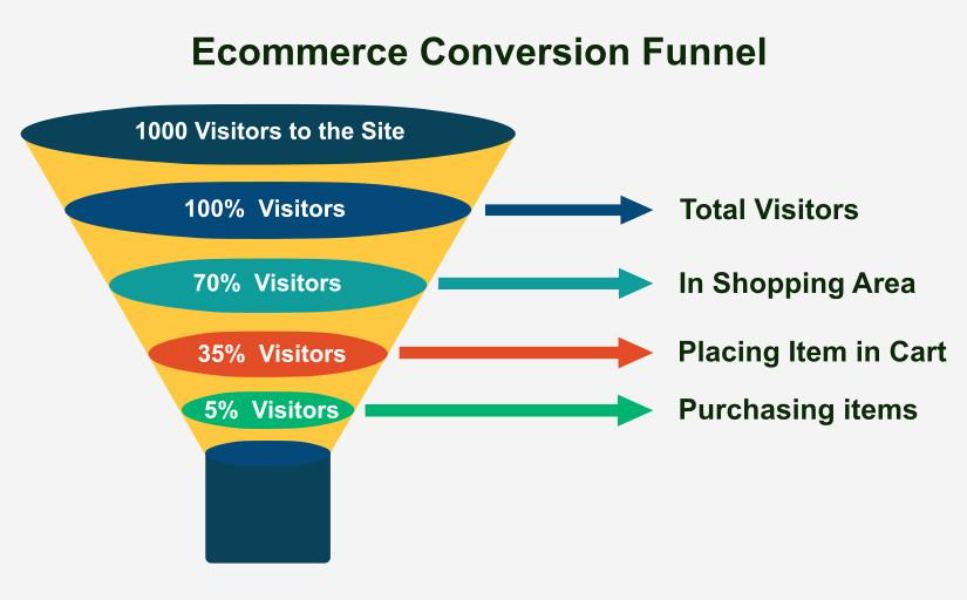
Checkout is one of the most critical stages in the customer journey. Shopify Plus allows brands to customize and optimize this experience to reduce friction and improve conversions.
For example, integrating accelerated payment options or simplifying form fields can significantly reduce cart abandonment. A brand that improves its checkout conversion rate by even 1–2% can see a substantial increase in revenue over time.
This is one of the most immediate ways Shopify Plus delivers ROI.
Automation that improves operational efficiency
Operational inefficiencies don’t usually show up as one big problem. They show up as small delays across inventory, orders, and customer data that compound as the business scales.
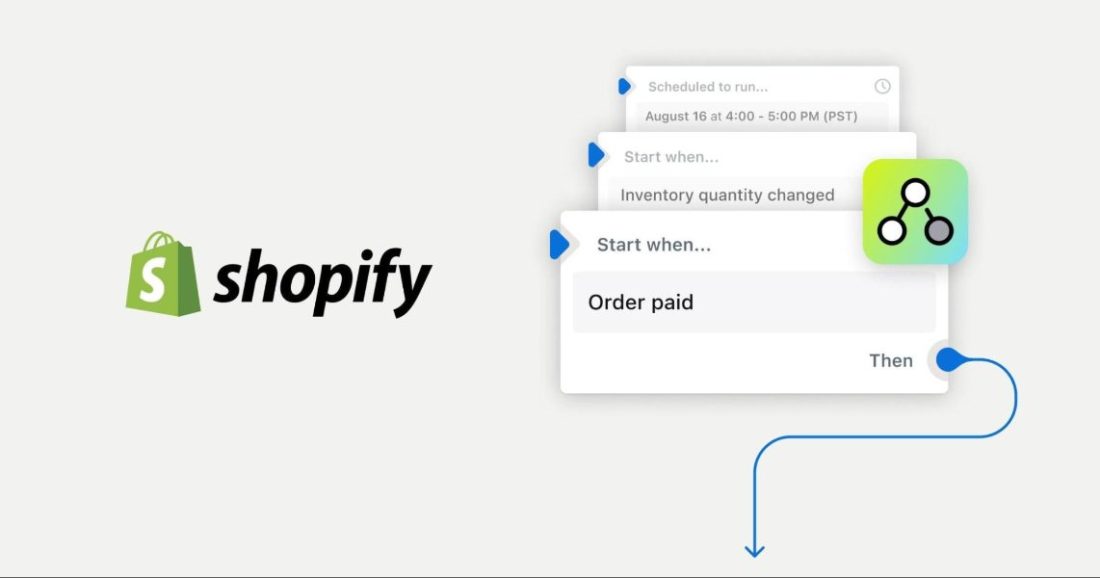
Shopify Plus addresses this through automation tools like Shopify Flow, which let brands trigger actions based on real-time events.
For example:
When inventory drops below a threshold, the system can automatically pause paid campaigns or hide out-of-stock products to prevent overselling
High-value customers can be tagged instantly and routed into specific retention or upsell flows
Orders can be automatically categorized by location or value and routed to the right fulfillment center without manual intervention
Instead of teams manually tracking these processes across tools, the system handles them in real time.
The impact is operational, but measurable. Fewer fulfillment errors, faster response times, and less dependency on manual coordination mean teams can handle higher order volumes without increasing headcount.
Scaling infrastructure for high volume sales
Handling high sales volume requires more than just technical capacity. It requires systems that can process orders, update inventory, and integrate with other tools seamlessly.
Shopify Plus ensures that these processes scale alongside your business. During peak sales periods, orders are processed without delays, and backend systems remain stable.
This reliability supports sustained growth without operational breakdowns.
International expansion and new revenue streams
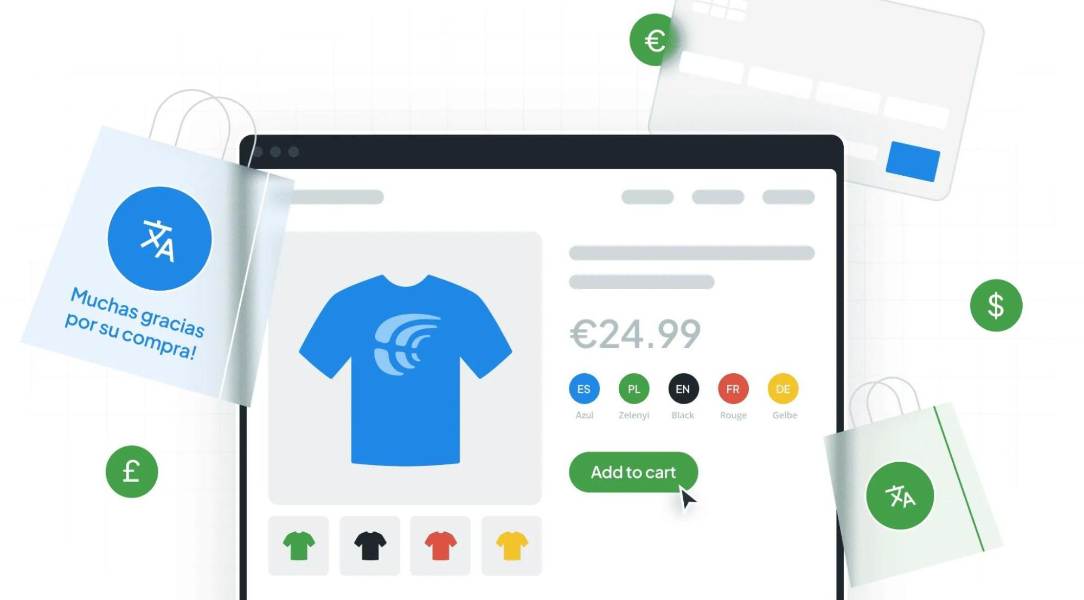
Expanding into new markets is one of the most effective ways to increase revenue. Shopify Plus makes this easier by supporting localized storefronts, currencies, and payment methods.
For example, a brand entering the European market can offer region-specific pricing and payment options, improving customer experience and conversion rates.
This ability to scale globally without rebuilding infrastructure is a key advantage.
Shopify Plus pricing and cost of ownership
Shopify Plus pricing is a bigger commitment than standard plans, and that gap is intentional. The platform is built for brands where performance, automation, and scale directly affect revenue. Evaluating the cost in isolation misses the point.
The real question is whether the features you’ll actually use can generate enough lift in conversion, efficiency, or market expansion to justify the investment
Shopify Plus pricing structure and base costs
Shopify Plus pricing starts at $2,300/month for businesses generating up to $800K in monthly revenue. Beyond that, it shifts to a revenue-based model tied to your sales.
Compared to standard Shopify plans, the cost is significantly higher. But at this stage, the difference is not about paying for more features. It’s about removing the limitations that start affecting revenue as you scale.
What you’re actually paying for is stability and control at high volume.
- Dedicated support means issues during peak sales periods are resolved faster, reducing downtime risk
- Higher API rate limits allow real-time syncing across inventory, orders, and third-party systems without delays
- Unlimited staff accounts let teams operate without access bottlenecks as operations expand
- Enterprise-level infrastructure ensures the store remains stable during traffic spikes like Black Friday or major product launches
Individually, these may seem like technical upgrades. But together, they reduce the chances of lost revenue caused by slow systems, delayed data, or operational friction.
At lower scale, these limitations are manageable. At higher scale, they become expensive.
Revenue-based pricing model explained
Once a business crosses $800K in monthly revenue, Shopify Plus pricing shifts to a revenue-based model, typically around 0.25% of monthly sales, capped at $40,000/month.
At this stage, the pricing structure starts to align with performance. You’re no longer paying a fixed fee for access. You’re paying in proportion to how much the platform is actually supporting your growth.
This works in your favor only if you’re actively using what Shopify Plus offers.
For example, if checkout improvements, automation, or better infrastructure help increase conversion rates or handle higher order volumes, the additional revenue generated can offset the incremental platform cost.
But if your store setup, funnels, and operations remain unchanged after upgrading, the pricing simply scales your cost without improving returns.
Treat the revenue-based model as a performance contract, not just a pricing structure. Before upgrading, identify exactly which levers, like checkout optimization, automation, or international expansion, will drive measurable impact.
If those levers are in place, the model scales with you. If not, it becomes an expensive upgrade.
Total cost including app development and agencies
Shopify Plus pricing is only the starting point. Most enterprise brands end up building on top of the base plan with third-party apps for subscriptions, reviews, search, and analytics, each of which carries its own monthly cost.
Add in development work for custom checkout experiences or unique integrations, and ongoing support from a Shopify Plus agency, and the total monthly investment can look very different from the base fee.
The brands that handle this well are the ones that map out the full cost of ownership before they commit, not after launch when surprise expenses start stacking up.
When Shopify Plus becomes cost-effective
Shopify Plus starts paying for itself when the features you’re actually using directly move revenue. A 1 to 2 percent improvement in checkout conversion rate, at meaningful monthly traffic, can generate enough additional revenue to cover the platform cost within the same billing cycle.
Automation through Shopify Flow reduces the operational overhead that would otherwise require additional headcount by handling repetitive decisions in real time. For example, it can automatically pause products when inventory runs low to prevent overselling, tag and segment high-value customers for targeted campaigns, or route orders to the right fulfillment location based on rules you define.
Instead of teams manually managing these processes across tools, they run in the background with minimal intervention. This allows brands to handle higher order volumes without increasing team size.
And checkout extensibility, which is exclusive to Shopify Plus, allows brands to create experiences that reduce abandonment in ways standard plans simply cannot.
The tipping point is different for every brand, but most start seeing positive ROI somewhere between $1M and $2M in annual revenue, depending on how aggressively they use the platform’s capabilities.
What is a Shopify Plus agency?
A Shopify Plus agency specializes in building and scaling ecommerce stores on Shopify Plus. They go beyond development, combining technical execution with business strategy.
Instead of just delivering what’s asked, they shape what should be built based on growth goals.
Example:
A standard agency redesigns visuals. A Shopify Plus agency analyzes user behavior, improves navigation, optimizes checkout, and ensures the backend can handle scale. The outcome is not just a better-looking store, but a higher-performing one.
Shopify Plus experts vs general Shopify partners
Shopify Plus experts operate at a different level. They are used to high-revenue brands, complex systems, and performance-driven decisions.
They think in terms of scalability, not shortcuts, understanding how technical choices affect conversion, speed, and growth.
Example:
A general partner installs a quick third-party app. A Shopify Plus expert builds or selects a scalable solution to avoid performance issues later. That difference compounds as the business grows.
Types of Shopify Plus agencies
Not all Shopify Plus agencies are built the same. Some focus on development, others on strategy, and some offer full-service support.
Development-focused agencies handle complex builds and integrations. Strategy-led agencies focus on CRO, UX, and growth. Full-service agencies combine both.
Example:
If your store is broken, you need a technical agency. If it’s underperforming, you need a strategy-led one. The right choice depends on your bottleneck.
Shopify Plus solutions agency vs Shopify Plus marketing agency
A shopify plus solutions agency focuses on building and maintaining the store, including Amazon Shopify integrations, checkout, and infrastructure. A Shopify Plus marketing agency focuses on traffic, conversion, and revenue growth.
Example:
A solutions agency builds a high-performance store. A marketing agency drives traffic and optimizes funnels.
Most scaling brands need both. One builds the engine, the other drives growth.
Best Shopify Plus agencies for scaling brands
The best Shopify Plus agencies combine technical expertise with a strong understanding of ecommerce growth. They don’t just build stores, they build systems that convert, scale, and adapt as your business evolves.
They focus on delivering measurable results rather than just completing projects. That means tying every design choice, integration, and optimization back to revenue, conversion rate, or operational efficiency. A real Shopify Plus agency doesn’t stop at launch, it keeps iterating.
What makes the best Shopify Plus agencies stand out
What separates the best Shopify Plus agencies is how they think. They don’t treat your store like a one-time project, they treat it like a living growth engine.
They align their work with business goals from day one. If your goal is to increase repeat purchases, they’ll think about retention flows, subscriptions, and lifecycle marketing, not just homepage design. If your goal is to scale paid ads, they’ll focus on landing page performance and checkout speed.
Example:
Two agencies redesign the same store. One delivers a visually appealing site. The other redesigns it based on user behavior data, improves navigation, reduces friction in checkout, and increases conversion rate by 20%.
Both did “design.” Only one drove business impact.
Technical expertise and platform certifications
Top Shopify Plus agencies have certified Shopify Plus experts, but certification alone isn’t the differentiator. What matters is how they apply that expertise in real-world scenarios.
They understand Shopify Plus at a systems level, including APIs, integrations, performance optimization, and scalability. This ensures that your store doesn’t just look good, it works seamlessly under pressure.
Example:
A high-growth brand runs a major sale and traffic spikes 8x. A technically strong Shopify Plus agency ensures the site remains fast, checkout doesn’t break, and integrations like inventory and payments continue working without lag.
A weaker agency might build a good-looking store, but it struggles when real demand hits.
Growth strategy and CRO capabilities
The best Shopify Plus agencies go beyond development and prioritize conversion rate optimization. They understand that traffic alone doesn’t drive revenue, conversion does.
They use data, testing, and user behavior insights to continuously improve performance. This includes optimizing product pages, refining checkout flows, and experimenting with offers and messaging.
Example:
A brand gets 100,000 monthly visitors but has a low conversion rate. A strong Shopify Plus agency runs A/B tests on product pages, simplifies checkout, and introduces upsell strategies.
The result isn’t just a better site, it’s a measurable increase in revenue without increasing traffic.
Case studies and proven results
Case studies are where claims meet reality. The best Shopify Plus agencies back their work with real numbers, not just visuals.
Look for agencies that talk about metrics like conversion rate improvement, revenue growth, or reduced bounce rates. These indicators show that the agency understands business impact, not just design or development.
Example:
An agency case study that says “we redesigned the store” tells you very little. But one that says “we increased conversion rate from 2.1% to 3.4% and improved AOV by 18%” shows clear value.
That level of detail builds trust and gives you confidence in their ability to deliver results.
How to choose a Shopify Plus agency
Choosing the right Shopify Plus agency is critical for success. It impacts both implementation and long-term growth.
The right partner doesn’t just execute tasks, they understand your business model, challenge your assumptions, and actively contribute to revenue growth. A strong Shopify Plus agency aligns technical decisions with business outcomes, ensuring that every build, integration, or optimization effort moves you closer to your goals.
At this level, you’re not just hiring for skills. You’re choosing a team that becomes an extension of your business, influencing how effectively you scale on Shopify Plus.
Defining your business and revenue goals
Clearly defining your objectives before engaging a Shopify Plus agency sets the foundation for everything that follows. Without this clarity, even the best agency will end up guessing priorities, which usually leads to misaligned execution.
Start by getting specific. Are you trying to increase conversion rate, improve average order value, expand internationally, or fix operational inefficiencies? Each of these goals requires a very different approach. A growth-focused Shopify Plus agency will structure your store, checkout, and workflows differently depending on what success looks like for you.
Example:
If your goal is to increase AOV, the agency should focus on bundling strategies, upsells, and personalized recommendations. If your goal is international expansion, the focus shifts to multi-store setup, localization, and payment methods.
When goals are vague, outcomes are vague. When goals are sharp, execution becomes intentional.
Questions to ask Shopify Plus agencies
Most brands ask surface-level questions and end up with surface-level results. The right questions reveal how an agency thinks, not just what they’ve done.
Go beyond “Have you worked on Shopify Plus?” Instead, ask how they approach growth, how they measure success, and what they do after launch. A strong Shopify Plus agency will talk about metrics, testing, and iteration, not just design and development.
Ask things like
- How do you approach CRO post-launch?
- Can you share specific metrics from past Shopify Plus projects?
- How do you handle scaling challenges like traffic spikes or multi-region stores?
- What does your first 90 days look like after launch?
Example:
If an agency says “we build and hand over,” that’s a red flag for growth-focused brands. The better answer is something like “we continuously test, optimize, and iterate based on performance data.”
You’re not just hiring execution. You’re hiring thinking.
Red flags to avoid when hiring
The wrong Shopify Plus agency won’t always look wrong at first. In fact, they often sound the most confident. That’s why spotting red flags early matters.
Be cautious of agencies that promise guaranteed results without understanding your business. Ecommerce growth depends on multiple variables, and no serious Shopify Plus experts will guarantee outcomes without context.
Watch for lack of transparency in pricing, vague timelines, or an overemphasis on design without discussing performance. Another common red flag is when agencies avoid talking about failures or challenges in past projects.
Example:
If an agency shows only polished case studies with no mention of what didn’t work or what they learned, they’re likely filtering reality. A credible Shopify Plus agency will be open about both wins and challenges, because that’s where real expertise shows.
The goal is not to find the most confident agency. It’s to find the most honest and capable one.
Common mistakes brands make with Shopify Plus
Shopify Plus gives you more power, but more power without a plan just means more expensive mistakes. The brands that struggle after upgrading usually aren’t failing because of the platform. They’re failing because of how they approached it.
Upgrading without a clear growth strategy
Without a strategy, Shopify Plus becomes an expensive version of what you already had. The platform gives you more power, but it doesn’t tell you how to use it.
Example:
A DTC apparel brand upgrades to Shopify Plus expecting higher conversions. But they keep the same product pages, same checkout flow, and same marketing approach. No A/B testing, no funnel optimization, no personalization.
Six months later, revenue hasn’t changed much. Why? Because Shopify Plus didn’t fail, the strategy did. The brand never used features like checkout customization or automation to actually improve performance.
Choosing the wrong Shopify Plus agency
Not all Shopify Plus agencies are built the same. Some are great at design but weak on performance. Others are technical but don’t understand growth.
Example:
A beauty brand hires a Shopify Plus agency that focuses heavily on aesthetics. The site looks stunning, but pages are heavy, load times increase, and conversion rates drop.
The agency delivered what they were good at, but not what the business needed. A better Shopify Plus agency would have balanced design with CRO and performance, not just visuals.
Underestimating the total cost of ownership
Shopify Plus pricing is only one part of the investment. Apps, integrations, development, and ongoing services add up quickly.
Example:
A brand budgets only for Shopify Plus pricing and initial development. Post-launch, they realize they need paid apps for subscriptions, search, reviews, and analytics. Then they bring in Shopify Plus experts for CRO and maintenance.
Suddenly, the monthly cost is significantly higher than expected. The issue isn’t overspending, it’s underplanning. A realistic cost breakdown upfront would have avoided this shock.
Ignoring CRO and performance optimization
Shopify Plus gives you the tools to optimize, but it doesn’t do it automatically. Without continuous improvement, performance plateaus.
Example:
An electronics brand migrates to Shopify Plus and sees an initial bump in performance. But after launch, they stop optimizing. No A/B testing, no checkout tweaks, no speed improvements.
Over time, conversion rates stagnate while competitors keep improving. The platform had the capability, but the brand didn’t use it.
CRO isn’t a one-time task. On Shopify Plus, it’s an ongoing growth lever.
Final thoughts on Shopify Plus for ecommerce growth
Shopify Plus is best understood as a growth infrastructure, not just an ecommerce platform. It becomes valuable when your business reaches a point where performance, flexibility, and operational efficiency directly influence revenue. At that stage, standard tools start creating friction, and Shopify Plus removes it by giving teams more control over checkout, automation, and global expansion.
What makes Shopify Plus stand out is how it balances power with usability. You get enterprise-level capabilities without the heavy technical burden that usually comes with them. This allows marketing, product, and operations teams to move faster, test ideas quickly, and execute at scale without waiting on engineering bottlenecks.
That said, Shopify Plus is not a shortcut to growth. Its impact depends heavily on how it is implemented and optimized. Brands that pair the platform with the right Shopify Plus agency, leverage Shopify Plus services effectively, and work with experienced Shopify Plus experts tend to see the strongest returns.
In the end, Shopify Plus makes sense when your business is ready to scale with intent. If growth is your priority and complexity is already part of your reality, Shopify Plus becomes less of an option and more of a logical next step.
FAQs
Shopify Plus is the enterprise tier of Shopify, built for brands that have moved past the early stages of ecommerce and are actively scaling. It gives businesses deeper control over checkout, automation, and integrations than standard plans allow.
The Shopify Plus ecommerce platform is designed for companies managing high order volumes, multiple storefronts, or complex operations across markets. If your current setup is creating friction at scale, what is Shopify Plus becomes less of a question and more of an obvious next step.
How does Shopify Plus work comes down to one thing: it separates infrastructure from growth. Shopify handles hosting, uptime, security, and performance at an enterprise level, so your team is not spending time firefighting technical issues.
The Shopify Plus ecommerce platform dynamically scales during traffic spikes, keeping checkout fast and stable. It also unlocks tools like Shopify Flow for automation and checkout extensibility for conversion optimization. How does Shopify Plus work in practice means your team focuses on growing the business, not maintaining it.
A Shopify Plus solutions agency handles the technical side of building and running your store on Shopify Plus. This includes custom development, third-party integrations, checkout customization, and migration from other platforms. Unlike a general development shop, a Shopify Plus solutions agency understands how the platform behaves at scale and builds accordingly.
They make sure your infrastructure holds up under pressure, your integrations don’t break during peak periods, and the Shopify Plus ecommerce platform is set up in a way that supports long-term growth rather than just immediate launch.
covering integrations, checkout architecture, and backend performance. A Shopify Plus marketing agency focuses on what happens after the store is live, driving traffic, improving conversion funnels, and growing revenue.
Most scaling brands need both. The Shopify Plus ecommerce platform gives you the infrastructure to support aggressive growth, but you need a solutions agency to build it right and a Shopify Plus marketing agency to make sure the right customers are finding it and converting.
How to choose a Shopify Plus agency starts with being clear on what your business actually needs. If your store has technical gaps, prioritize a Shopify Plus solutions agency. If conversion is the problem, look for CRO-focused expertise.
Ask for specific metrics from past projects, not just portfolio visuals. A strong Shopify Plus marketing agency will talk about revenue impact, not just design. How to choose a Shopify Plus agency also means watching for red flags like vague timelines, guaranteed results, or agencies that go quiet after launch.