

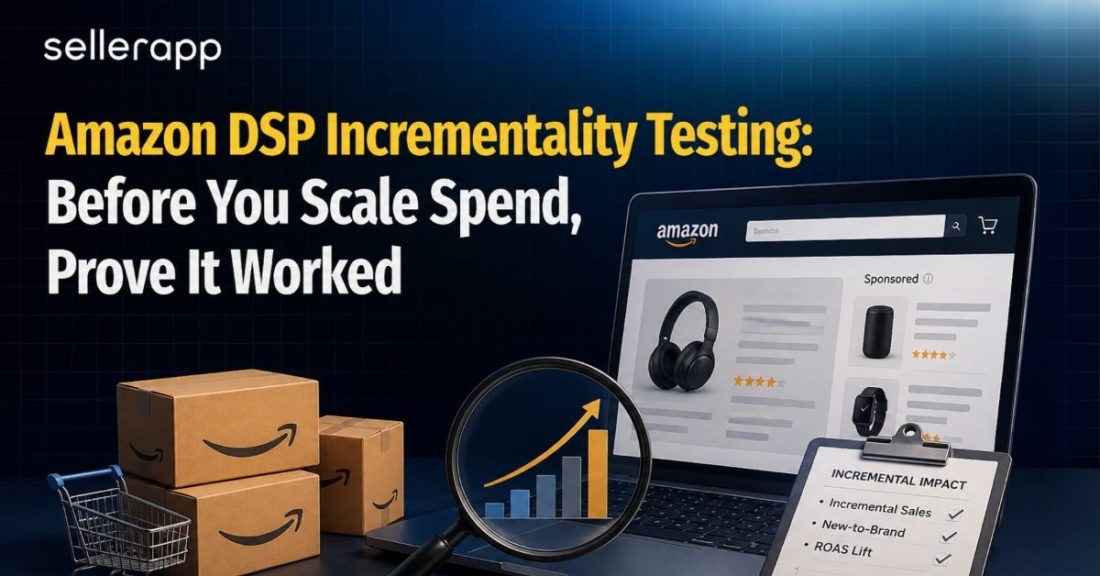
Amazon DSP incrementality testing measures whether your ad campaign generated sales that wouldn’t have happened otherwise. Instead of counting every purchase that followed an ad impression, it isolates the true impact of your advertising by comparing exposed audiences against a comparable control group.Most advertisers rely on attributed sales in their DSP dashboard. But attributed sales simply credit purchases that occurred after someone saw an ad, regardless of whether the ad actually influenced the decision. Incrementality testing closes this gap by helping advertisers distinguish correlation from causation, making it a more reliable way to evaluate campaign performance before increasing spend.
This matters because attributed metrics alone can’t distinguish between sales your ads influenced and sales that would have happened anyway. As more advertisers invest in Amazon DSP across awareness, prospecting, and retargeting campaigns, incrementality testing has become essential for proving whether ad spend is generating true business impact. In practical terms, a growing share of ad budgets is moving into a channel that standard Amazon DSP attribution cannot fully explain on its own. For a skincare brand running a Vitamin C serum line, or a supplements company selling a collagen powder, that’s the question incrementality testing is built to answer. In this guide, we’ll cover the core measurement toolkit: holdout tests, AMC lift studies, brand lift, full-funnel measurement, and how to calculate and interpret incremental ROAS before scaling DSP spend.
Quick guide:
Attribution vs. Incrementality (Why Your DSP Dashboard Could Be Lying to You)
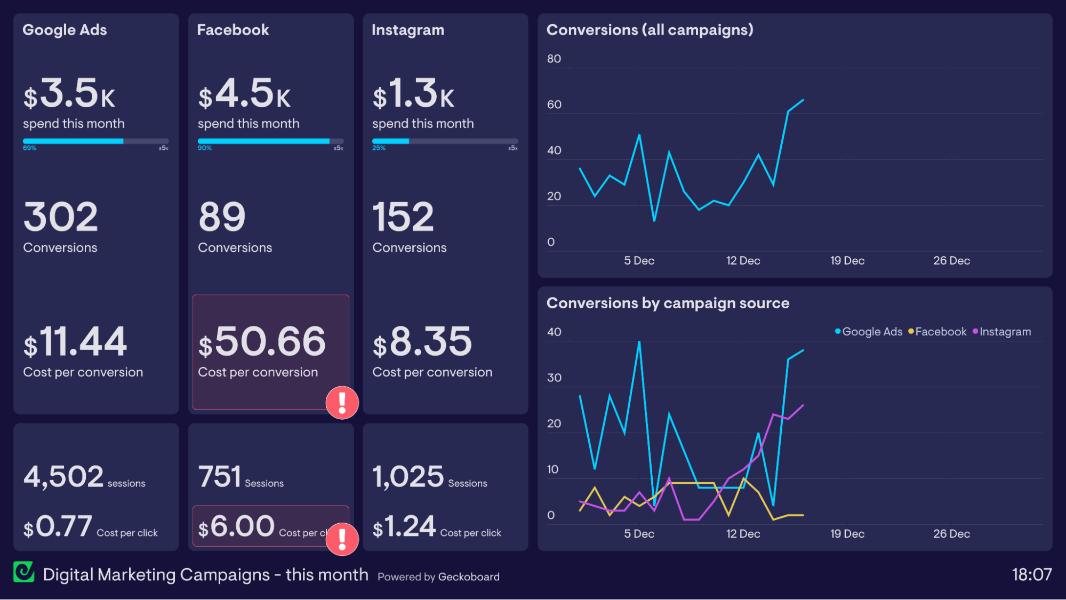
Let’s start with the distinction that everything else in Amazon DSP incrementality testing hangs on. Amazon DSP attribution answers “who touched this sale?” It looks at everyone who saw or clicked your ad within a lookback window and credits them if a purchase follows. Incrementality asks a completely different question: “Would this sale have happened anyway?”
| Attribution | Incrementality |
| Measures which ad touchpoint received credit for a conversion. | Measures whether the ad caused an additional conversion that would not have happened otherwise. |
| Counts purchases that occur after an ad impression or click within the attribution window. | Compares an exposed audience with a control (holdout) group to isolate the ad’s true impact. |
| Useful for campaign reporting and optimization. | Useful for validating effectiveness and making budget allocation decisions. |
| Can overstate performance, especially for retargeting campaigns with high purchase intent. | Reduces bias by separating genuinely incremental sales from existing demand. |
| Answers “Who touched this sale?” | Answers “Would this sale have happened anyway?” |
Say you’re running DSP retargeting for that Vitamin C serum brand, showing display ads to people who already viewed the product page. Attribution will happily report a strong ROAS on that campaign, of course it will. You’re retargeting people who were already halfway to buying. But a chunk of those buyers were going to complete the purchase with or without the ad nudging them. The gap between what attribution reports and what actually got created is the incrementality gap, and for retargeting campaigns specifically, that gap tends to be the widest of any DSP tactic.
This is also where Amazon’s own measurement infrastructure has been evolving. Older Amazon DSP attribution models leaned on a straightforward last-touch approach with a 14-day lookback window if a shopper saw a DSP ad and purchased within two weeks, DSP took the credit, regardless of actual influence. As the platform’s measurement stack matures, the gap between attributed and incremental numbers is exactly what’s pushing more advertisers toward dedicated Amazon DSP measurement tools like AMC instead of trusting console reports at face value. Once you internalize that gap, Amazon DSP incrementality testing stops feeling optional and starts feeling like basic due diligence.
The Amazon DSP Measurement Stack, Decoded
Before you run a single test, you need to know which tool answers which question.
Amazon DSP measurement isn’t one report it’s a stack that spans Amazon DSP attribution, Amazon DSP full-funnel measurement, and Amazon DSP brand lift measurement, each answering a different piece of the “did this actually work” puzzle.
| Measurement Tool | Question It Answers | How It Works | Example Use Case |
| Standard DSP Reporting | Who was exposed, and what happened afterward? | Tracks impressions, clicks, conversions, ROAS, and other performance metrics for audiences exposed to your ads. | A shopper sees your DSP display ad, clicks it two days later, and purchases your product. The dashboard attributes the sale to the campaign. |
| Geo-Holdout Test | Did sales increase in exposed markets compared to unexposed markets? | Runs DSP campaigns in selected regions while withholding ads in comparable control regions, then compares sales performance. | Advertise in Texas and Ohio while excluding Georgia, then compare sales lift across the markets. |
| AMC Lift Study | Did exposed shoppers buy more than a similar audience that never saw the ad? | Creates a randomized control group in Amazon Marketing Cloud and compares purchase behavior between exposed and suppressed audiences. | Suppress 20% of your prospecting audience, then measure whether the exposed group generates more purchases. |
| Amazon Brand Lift | Did awareness, favorability, or purchase intent improve? | Uses Amazon surveys to measure changes in brand perception before and after campaign exposure. | Measure whether shoppers are more likely to recognize or consider your brand after a video campaign. |
| iROAS (Incremental ROAS) | How much incremental revenue did the campaign generate per advertising dollar? | Divides incremental revenue (measured through holdout testing or AMC) by ad spend to calculate true return. | A campaign generates $75,000 in incremental revenue on $30,000 in spend, resulting in an iROAS of 2.5x. |
Before running an incrementality test, you need to understand which measurement tool answers which question and how each one works. Amazon DSP measurement isn’t a single report. It’s a set of complementary methods that help you measure campaign performance from attribution through incrementality. That question, more than anything, is why Amazon DSP incrementality testing exists as its own discipline.
Building an Amazon DSP Holdout Test That Holds Up to Scrutiny
Amazon DSP attribution can tell you which campaigns received credit for a sale, but it can’t prove whether the campaign caused that sale. A holdout test solves this by comparing an audience exposed to your ads with a comparable audience that never saw them.
The difference in outcomes represents the campaign’s incremental impact, making holdout testing one of the most reliable ways to validate DSP performance before increasing budget.
Step 1: Define your objective
Decide what success looks like before launching the campaign. Are you measuring incremental sales, new-to-brand customers, purchase rate, or ROAS?
Step 2: Create your test and control groups
Split comparable audiences or geographies into
- Test group: Receives DSP ads.
- Control (holdout) group: Receives no campaign exposure.
The groups should have similar historical performance to reduce bias.
Step 3: Keep every other variable consistent
Run both groups over the same time period while keeping pricing, promotions, inventory availability, and other marketing activities as consistent as possible.
Step 4: Run the campaign long enough
Allow enough time to collect statistically meaningful data. Four to six weeks is generally recommended, depending on conversion volume.
Step 5: Compare results
Measure the difference in conversions or revenue between the exposed and holdout groups. This difference represents your campaign’s incremental lift.
Inside AMC Lift Studies: The Clean-Room Method for True Lift
Amazon Marketing Cloud (AMC) lets advertisers measure whether their DSP campaigns generated additional sales by comparing shoppers who saw an ad with a similar group that didn’t. Because the analysis runs inside Amazon’s privacy-safe clean room using first-party transaction data, it provides a more reliable estimate of incremental impact than attribution reports alone.
How an AMC Lift Study Works
An AMC lift study compares shoppers who were exposed to your DSP campaign with a similar group that wasn’t. Measuring the difference in purchase behavior between the two groups helps determine whether your ads generated incremental sales rather than simply receiving attribution credit.
Step 1: Define the audience
Choose the audience you want to evaluate, such as shoppers in your prospecting campaign or customers interested in a specific product category.
Step 2: Create a holdout group
AMC randomly withholds a percentage of that audience from seeing your DSP ads while the remaining shoppers continue receiving campaign exposure. This creates a comparable control group for measurement.
Step 3: Run the campaign
Launch the campaign as planned and allow both the exposed and holdout groups to accumulate enough impressions and conversions during the test period.
Step 4: Compare outcomes
After the campaign ends, compare purchases, revenue, or other conversion metrics between the two groups. Any meaningful difference represents the campaign’s incremental lift rather than sales that may have occurred organically.
Calculating Incremental ROAS
Once you’ve measured incremental revenue, divide it by your advertising spend to calculate incremental ROAS (iROAS).
For example, if the exposed group generates $250,000 in sales while the holdout group generates $175,000, the campaign produced $75,000 in incremental revenue. If ad spend was $30,000, the campaign’s iROAS is 2.5x. By comparison, standard attributed ROAS would report 8.3x because it credits all exposed sales, regardless of whether the ads actually influenced the purchase.
Incremental Reach: The Audience DSP Uniquely Unlocks
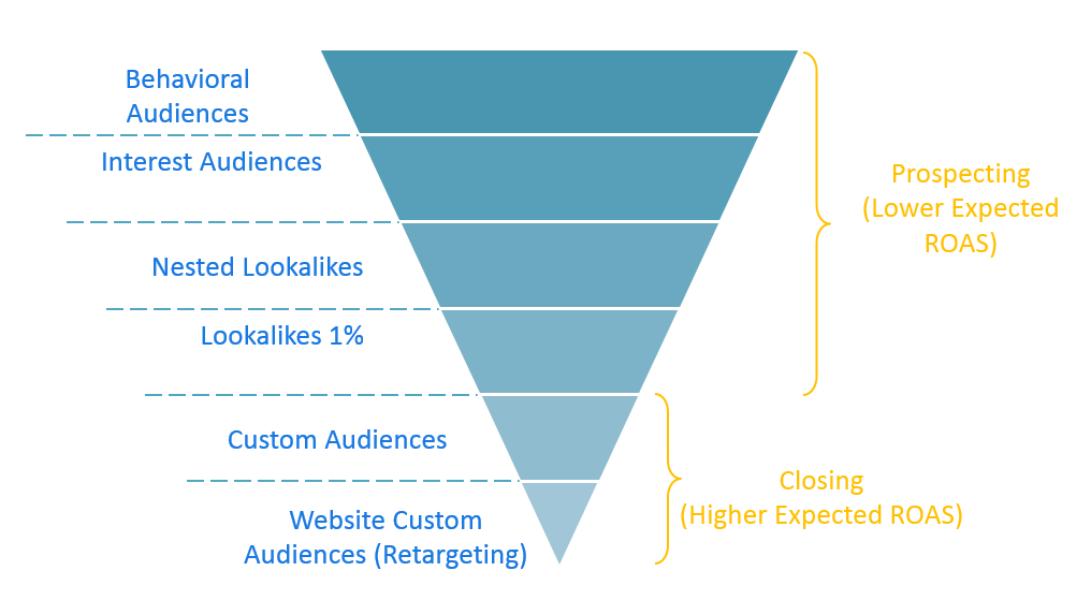
Amazon DSP incremental reach is the audience you genuinely couldn’t have touched through Sponsored Products alone: shoppers browsing off-Amazon sites, streaming content, or Amazon properties you can’t reach through search ads. Prospecting vs. retargeting reach comparison is where the new-to-brand (NTB) rate becomes a useful, if imperfect, proxy. Platform-wide, 36.5% of DSP-attributed purchases in Q1 2025 came from customers who’d never bought the brand on Amazon before. That rate climbs to 35 to 42% for Pets and Beauty categories, so our Vitamin C serum brand running DSP prospecting is likely pulling a meaningful chunk of genuinely new buyers, and sits lower, around 28 to 34%, for Electronics, where category loyalty and research cycles run longer.
Worth flagging clearly, NTB rate is attributed, not incrementality-tested. It tells you the ad reached new people; it doesn’t prove those people wouldn’t have found the brand organically. Treat it as a directional signal for Amazon DSP incremental reach quality, not proof of lift. Tubshroom’s experience is a useful real-world anchor here. As search traffic got more expensive and competitive, the brand leaned into DSP specifically to unlock audiences outside its existing search footprint, and grew DSP revenue 3.7x in the process, a concrete example of incremental reach translating into real growth rather than just impression volume.
Brand Lift Measurement: Proving Impact Before the Purchase Happens
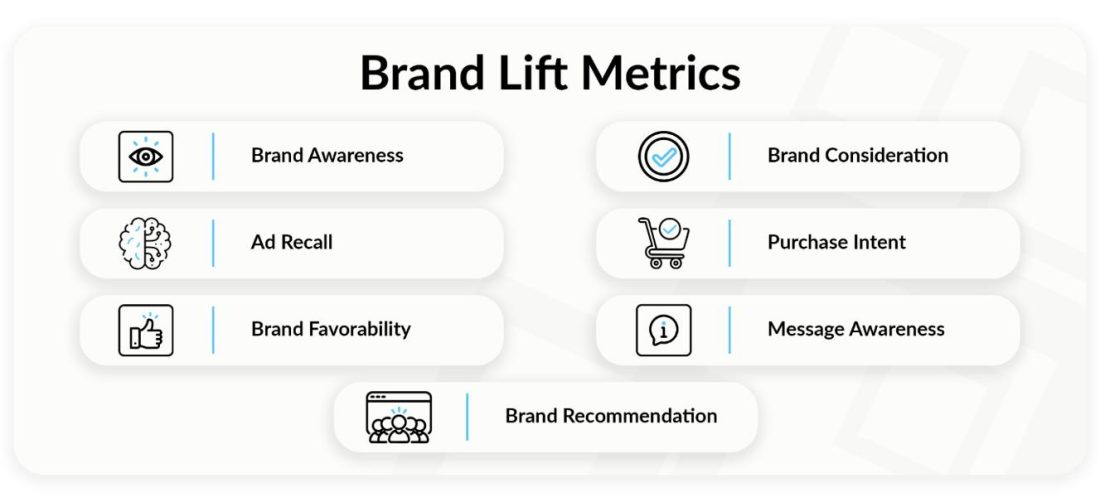
Not every Amazon DSP campaign is designed to drive immediate sales. Upper-funnel campaigns often focus on introducing your brand to new audiences, improving recall, and influencing future purchase decisions. If you only measure conversions, you may overlook campaigns that are successfully building demand. Amazon DSP brand lift measurement helps advertisers understand whether their campaigns are changing how shoppers perceive their brand before a purchase ever happens. Amazon Brand Lift studies measure changes in key metrics such as brand awareness, ad recall, favorability, and purchase intent using surveys conducted through the Amazon Shopper Panel. Results can also be segmented by audience characteristics, such as device and ad frequency, to better understand which audiences responded most positively to the campaign.
To generate statistically meaningful results, Amazon Brand Lift studies typically require a minimum campaign budget of around $10,000 and at least 14 days of campaign runtime. They support Amazon DSP and Sponsored Brands campaigns but are not available for Sponsored Products.Brand lift results are most valuable when interpreted alongside AMC lift studies rather than in isolation. While a brand lift study can show that purchase intent increased, AMC helps determine whether that increased intent translated into actual incremental purchases. Together, they provide a more complete picture of campaign effectiveness across the customer journey.
Full-Funnel Measurement: Connecting Upper-Funnel Exposure to Bottom-Funnel Sales
Amazon DSP full-funnel measurement helps advertisers understand how shoppers move from first discovering a brand to making a purchase and becoming repeat customers. Instead of focusing only on the final conversion, it measures the impact of every stage in the customer journey, helping you identify which touchpoints contribute to incremental growth.
Step 1: Measure Awareness to Consideration
Start by tracking whether shoppers who were exposed to your upper-funnel DSP video or display ads went on to visit your product detail page. This helps determine whether your awareness campaigns are generating genuine interest rather than just impressions.
Step 2: Measure Consideration to Conversion
Next, evaluate whether those product page visitors ultimately completed a purchase. For more reliable results, compare the exposed audience with a holdout group that never saw the campaign to determine the campaign’s incremental impact on conversions.
Step 3: Measure Repeat Purchases
The first sale isn’t always the most valuable one. For subscription-friendly categories like supplements, it’s equally important to understand whether DSP exposure encourages repeat purchases or actions such as Subscribe & Save enrollment, which often deliver greater long-term customer value.
Step 4: Measure Brand Halo
Don’t limit your analysis to the advertised product. A DSP campaign promoting a Vitamin C serum may also increase sales of related products like moisturizers or cleansers. Measuring this brand halo effect helps capture the campaign’s total business impact instead of evaluating a single ASIN in isolation. AMC’s brand halo metrics are designed to uncover these cross-product effects.
Step 5: Evaluate the Combined Impact of Multiple Touchpoints
Finally, assess how different campaigns work together. Instead of measuring upper-funnel video and lower-funnel retargeting separately, evaluate whether the combination generates more incremental lift than either tactic on its own. This provides a clearer understanding of how different stages of the funnel contribute to overall campaign performance.
Example: Oogie’s Snacks
Oogie’s Snacks demonstrates how a well-executed full-funnel strategy can drive measurable growth. By restructuring its campaigns across the customer journey, the brand tripled impressions and increased sales by 4.8x within five months, illustrating the value of connecting upper-funnel awareness with bottom-funnel conversions instead of optimizing each stage independently.
Calculating True iROAS: The Formula and the Traps That Inflate It
Amazon DSP ROAS measurement tells you how much revenue your campaigns generated, but attributed ROAS doesn’t always reflect the campaign’s true impact. Some customers may have converted even if they had never seen your ad. That’s why advertisers use incremental return on ad spend (iROAS), a metric that measures how much additional revenue was generated because of the campaign.
The formula is straightforward: iROAS equals incremental revenue divided by ad spend. While the calculation is simple, interpreting it correctly is where many advertisers go wrong.
| Campaign Type | Attributed ROAS | Incremental ROAS (iROAS) |
| DSP prospecting | 2.4x to 3.0x | Often close to attributed, low pre-existing intent |
| DSP retargeting | 5x to 8x+ | Frequently 40 to 60% lower than attributed |
| Branded search-adjacent display | 6x+ | Can approach 1.0x or below |
Below 1.0x iROAS, you’re paying for sales you’d have gotten for free, that’s the one threshold that should always get a campaign paused or restructured, regardless of how good the attributed number looks. Now, worth grounding this in actual platform economics rather than abstractions: DSP’s average video ROAS across brand objectives sits around 2.4x, and that’s an attributed figure, it’s the number you get before running any holdout comparison.
For a collagen supplement brand, with Health & Wellness’s tighter economics ($1.50 CPC, $11.13 CPM, and attributed ROAS often closer to 2.46x on Sponsored formats), the margin for error in Amazon DSP ROAS measurement is thin. If even a third of that attributed ROAS turns out to be sales that would’ve happened anyway, the campaign is barely breaking even in reality, which is exactly why Amazon DSP incrementality testing has to include the incremental check, not just the dashboard number, before anyone signs off on scaling spend.
What Budget Do You Actually Need for Statistically Valid Results?
Minimum budgets by test type, an Amazon DSP holdout test generally needs $15,000 to $20,000 per month in the campaign being tested to generate enough conversion volume for statistical significance within a reasonable window. AMC-based lift studies can work with somewhat less spend since they’re audience-matched rather than geography-matched, but still need meaningful weekly conversion volume in both groups.
This tracks closely with what spend tiers unlock structurally. Below $10K/month, DSP access itself is limited, and testing isn’t realistic. In the $50K to $250K/month range, managed DSP becomes viable and AMC analysis starts to make practical sense. It’s really only at $250K+/month that full Amazon DSP incrementality testing, proper holdouts, AMC lift studies, the whole measurement stack, becomes routinely feasible rather than a stretch.
What to do below threshold: if your monthly DSP spend can’t support a statistically sound holdout test, don’t force one. Lean on Amazon DSP lift testing through Amazon Brand Lift instead (its $10K threshold is far more attainable), extend your test window to accumulate more conversion volume, or narrow the test to your highest-volume single campaign, ideally your best-performing Amazon DSP incremental reach campaign, rather than trying to test everything simultaneously.
Pitfalls That Invalidate Your Incrementality Test
A handful of mistakes show up over and over. Running the test during a major sales event without accounting for the seasonal spike: ACoS swings 4.5 points between the cheapest month (October, ~28%) and the most expensive (January, ~32.5%), and a flat-budget test spanning that gap will read as noise, not signal. Letting your holdout group get contaminated by a national campaign or organic brand-search halo you forgot to account for. And testing retargeting or branded campaigns first, when they’re the least likely to show clean incremental lift and the most likely to produce a confusing result that makes the whole exercise look pointless.
Final Takeaway: From Attributed Numbers to Proven Impact
Amazon DSP attribution tells you what happened. Amazon DSP incrementality testing tells you what your ad spend actually caused, and that gap only gets more expensive to ignore as DSP claims a bigger share of the budget. Whether you’re running prospecting for a Vitamin C serum line, defending margin on a collagen supplement brand, or proving that a ceramic clay pot line’s upper-funnel video spend is worth the cost, the discipline is the same: define your holdout test before you launch, size your measurement plan to your actual budget, and read the incremental number, not just the attributed one, before deciding what worked. The hard part isn’t understanding the framework. It’s building and reading the tests correctly: setting up a clean holdout group, running an AMC lift query without contaminating the audience, and translating iROAS into a decision your finance team will actually sign off on. That’s where most DSP incrementality efforts quietly fall apart.
Designing a statistically valid holdout test, interpreting AMC lift studies, and translating incremental ROAS into actionable decisions requires more than just access to the right tools, it requires the right measurement strategy. SellerApp helps brands build reliable Amazon DSP measurement frameworks, execute incrementality tests, and analyze campaign performance so every scaling decision is backed by data, not assumptions. If you’re looking to validate the true impact of your DSP campaigns, talk to a SellerApp advertising specialist and get a free audit of your current measurement strategy.
FAQ
Most advertisers should aim to detect lifts in the 5–15% range, which typically requires 10–20 matched markets or audience segments and four to six weeks of data. Any Amazon DSP incrementality testing program built on a smaller sample should treat results as directional rather than conclusive.
Not a full holdout test, those generally need $15,000–$20,000/month in the tested campaign. Below that, Amazon Brand Lift (minimum around $10,000 total) or a longer test window on your single largest campaign are more realistic starting points for Amazon DSP incrementality testing on a limited budget.
Prospecting campaigns targeting audiences outside your existing customer base typically show the strongest Amazon DSP incremental reach, since they’re reaching people with no prior intent. Branded search and retargeting consistently show the lowest Amazon DSP incremental reach, because they’re largely capturing demand that already existed.
Amazon DSP lift testing, run through AMC, measures actual purchase behavior between an exposed group and a suppressed group using real transaction data. Amazon DSP brand lift measurement, by contrast, measures shifts in awareness, favorability, and purchase intent through survey panels, before a purchase ever happens. Both feed into a complete Amazon DSP incrementality testing program, but they answer different questions at different funnel stages.
No. Amazon DSP full-funnel measurement connects exposure to consideration to conversion, but it works best alongside, not instead of, a dedicated Amazon DSP incrementality testing holdout. Think of full-funnel measurement as the map, and the holdout test as the proof that the map matches reality.
Because no single number answers every question. Amazon DSP measurement spans standard reporting, geo-holdout tests, AMC lift studies, Amazon DSP brand lift measurement, and iROAS calculations, each covering a different layer of what a complete Amazon DSP incrementality testing program needs to prove.