



The best products to sell on Shopify are not the ones trending on TikTok right now. If you are reading this and something is not working, maybe the sales or the margins or maybe you are just starting out and trying to avoid picking the wrong product from the beginning.
Most sellers choose products by asking what is popular. But the Shopify stores that actually build something sustainable ask questions like
- Is this demand real and consistent, or is it a six-week spike that’ll be dead before my inventory arrives?
- After I pay for shipping, ads, Shopify fees, and the occasional return, what am I actually keeping in my bank account, not just on paper?
- Is there anything I can say about this product that the 400 other people selling it can’t?
- And honestly, does this product even belong on Shopify, or is it the kind of thing people just go to Amazon for because they want the cheapest option and two-day shipping?
That’s the cross-reference we used to build this guide. Every category, every product on this list had to clear all four of those questions. If your store isn’t performing the way you expected, you’re in the right place.
Let’s get into what’s actually worth selling and why.
Quick Guide :
What are the best products to sell on Shopify in different categories?
Did you know that the best-selling products to sell on Shopify and their categories are not just mere trends? With 5.2M+ Shopify stores generating over $370B in sales, it’s clear that a few categories and the right products within them do most of the heavy lifting.
We have listed the best products to sell on Shopify below.
1. Skincare
Skincare is the #1 category in terms of brand-building potential on Shopify, and it’s not particularly close. The reason is the repeat purchase rate. Someone who loves the cleanser you sell will come back every six to eight weeks without a single paid ad.
The global beauty and personal care market is projected to reach $677 billion by 2025, and skincare is its largest segment. More importantly for Shopify sellers, skincare is one of the few categories where a founder with no industry background can build a genuine brand from scratch and exit at a significant multiple.
True Botanicals, a clean skincare brand, built entirely through DTC storytelling and ingredient transparency, scaled to acquisition without ever entering traditional retail first. Glossier grew out of a beauty blog, built a community before a product, and reached nearly $250 million in annual revenue.
Let us see what’s working specifically in 2026:
Tallow moisturizer
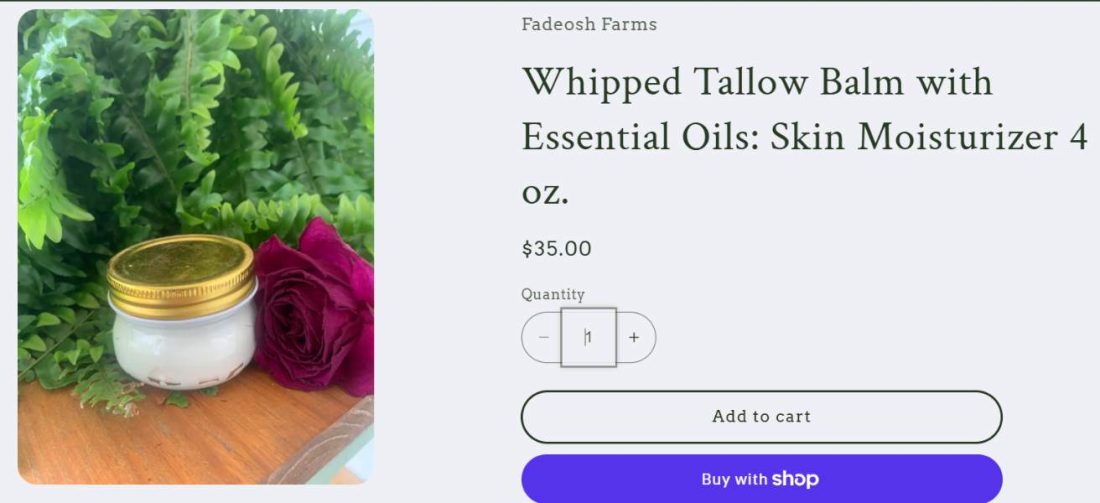
Searches jumped 2,600% in late 2025 and early 2026, and the interest has been sustained, not collapsed the way pure TikTok trends do. There’s a real ideological community behind it; there are tallow skeptics versus believers and conventional dermatologists versus ancestral health advocates, which means organic content and word-of-mouth are built in.
If you’re entering this space, you need a differentiated angle with a sourcing story, specific skin-concern targeting, or a formulation pairing (tallow plus a botanical).
K-beauty and glass skin routines
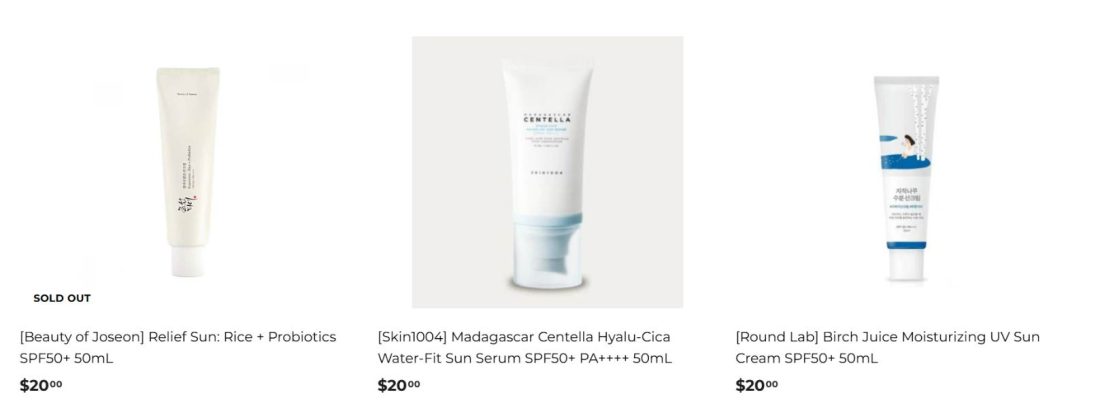
Snail mucin serums, centella asiatica, PDRN (polynucleotide) serums, and multi-step hydration systems. The U.S. market has fully absorbed Korean-inspired skincare from beauty editors down to mainstream consumers. The opportunity in 2026 isn’t to sell “K-beauty” generically, that ship has sailed. It’s to curate a simplified entry point for people who want results without the 10-step routine.
2. Makeup & Cosmetics
Shopify ranks makeup as its own top-3 category, separate from skincare, and the distinction matters. The customer, the content strategy, and the repurchase cycle are all different. Makeup customers tend to be more trend-driven and variety-hungry than skincare customers. They buy multiple products. They respond to seasonal newness. They’re heavily influenced by tutorials, UGC, and “what’s in my makeup bag” content. Rare Beauty generated over $400 million in revenue in a single 12-month period. Kylie Cosmetics crossed $200 million annually, starting with a single product, a lip kit. These are celebrity brands, but the underlying lesson applies to any Shopify seller. The “lipstick effect,” where consumers trade down from big-ticket purchases but still spend on small, affordable luxuries like makeup, is well-documented and means this category holds up even in tough economic environments.
Here is what’s working in 2026:
Lip stains and long-wear lip products
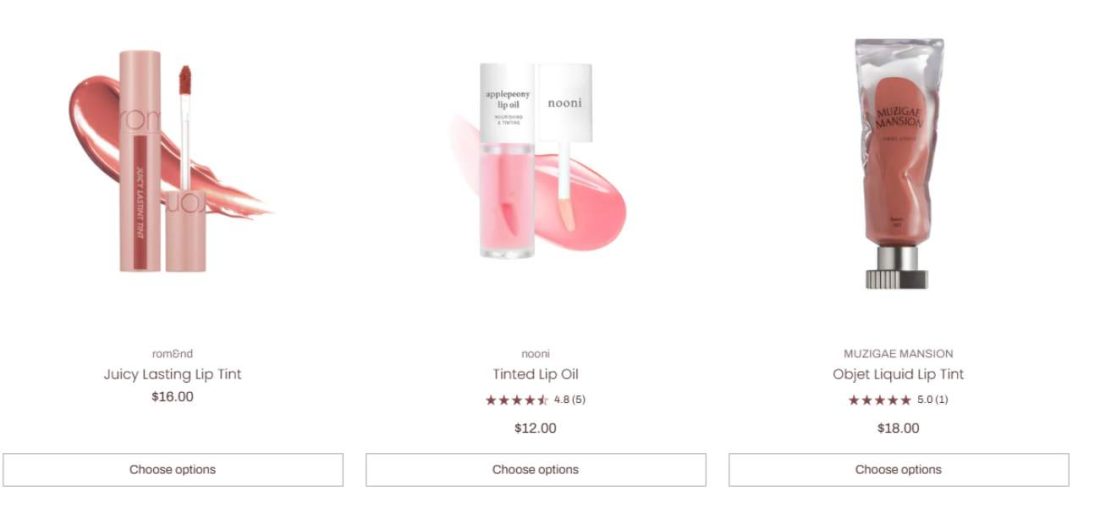
This product category has been in consistent search demand since 2022. The consumer shift away from heavy lip liner and traditional matte lipstick toward buildable, long-wearing stains has been real and durable. The female buyers are looking for a brand built by a girl’s girl. If you can source or develop a lip stain with genuine transfer resistance, you have a product that demonstrates on video in under 15 seconds, which is the content goldmine.
Tinted moisturizers and skin-enhancing products
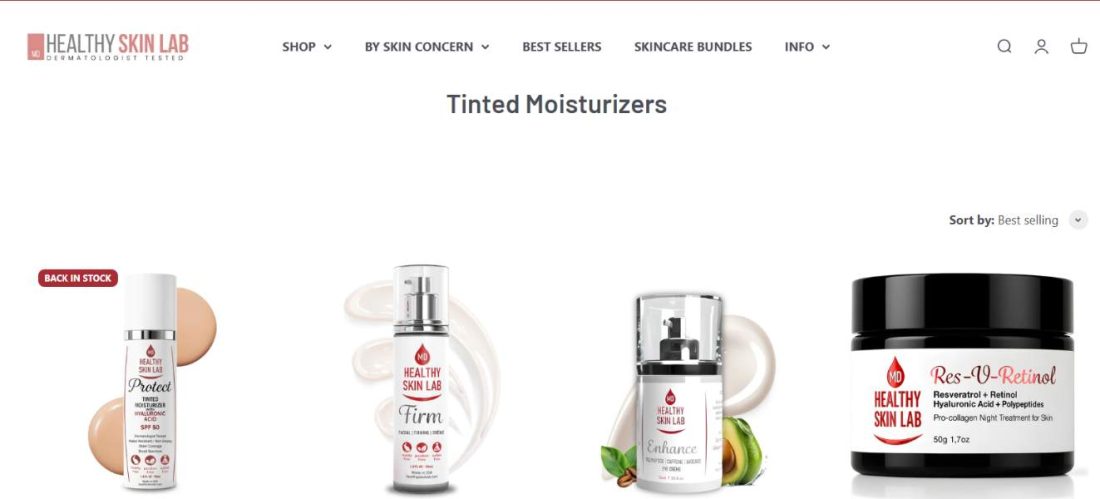
The “no-makeup makeup” trend continues to dominate. Consumers want coverage that looks like skin, not like wedding makeup. Tinted SPFs, skin tints, and light-coverage serums with added pigment are all on the rise.
This is also one of the few makeup sub-niches where “clean beauty” positioning still holds a premium demand without being dismissed as ineffective.
3. Health Supplements & Vitamins
The Shopify supplement opportunity is recurring and high-margin, and it’s also one of the most challenging categories for sellers who underestimate its complexity. Let’s understand both sides seriously.First, let’s understand the dynamics of this category. The gross margins of 60–80% are normal. Customers who find a supplement that works for them are among the most loyal repeat buyers in all of e-commerce. LTV can be extraordinary. Vital Proteins, launched in 2013 selling a single flavorless collagen peptide powder, built its brand entirely through DTC and influencer marketing before touching retail and reached $100 million in revenue within five years. By 2019, the company had grown 240% year-over-year and was projecting $200 million in revenue before eventually being acquired by Nestlé. The strategy was to own a specific customer (wellness-forward women), invest in content and micro-influencer relationships before paid ads, and let email and subscription revenue carry the retention.
The specific products that are attracting repeated customers:
Magnesium glycinate
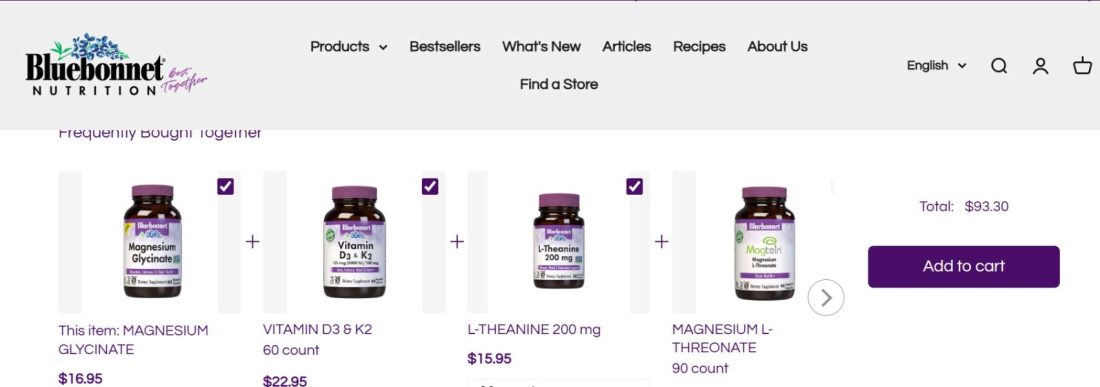
This is the supplement of the moment for the sleep-and-focus crowd, which is enormous. Search volume for magnesium glycinate has grown steadily over the past 3 years. It’s genuinely effective (more bioavailable than magnesium oxide), which means customers who try it often become evangelists. The word-of-mouth flywheel is real.
Cortisol and adaptogen blends
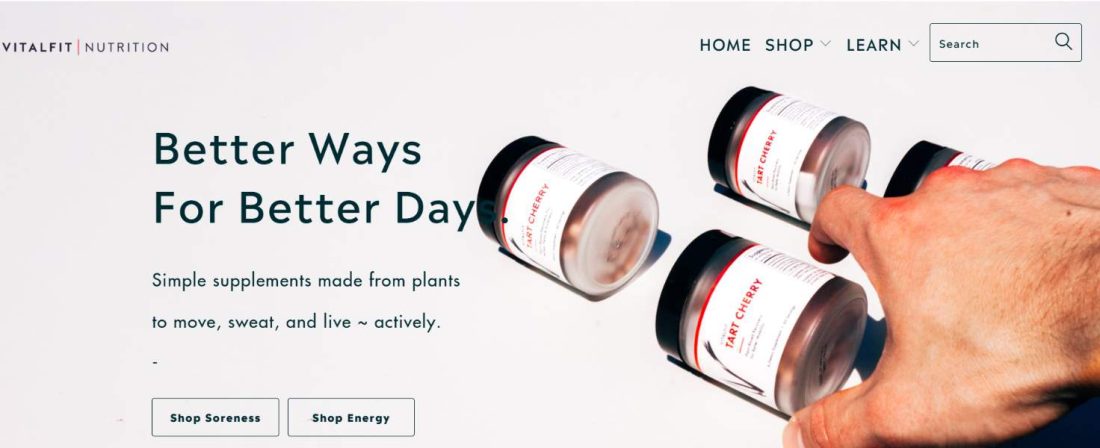
Search volume for “cortisol supplement” and “cortisol cocktail” has climbed for two years. Ashwagandha, rhodiola, and cordyceps are all growing. The consumer anxiety narrative is real and is not going away, which means this isn’t a fad it’s a demographic shift in what people feel they need.
4. Apparel: T-Shirts, Activewear & Niche Clothing
Shopify merchants sell more t-shirts than almost any other product on the platform, and the category encompasses multiple product lines that each follow their own logic.
Niche identity apparel
Generic graphic tees are a commodity. What’s working are community apparel shirts built around a specific subculture, belief system, profession, humor style, or identity. The merchandise for the person who already self-identifies as a runner, a nurse, a dog mom, a farmer, or a hobbyist beekeeper converts at rates that generic apparel can’t touch because the buyer is buying recognition.Gymshark, founded in 2012 by a 19-year-old in his mother’s UK garage, reached £41 million in sales by 2017 and went on to break $500 million in revenue and achieve unicorn status, with a valuation of over $1 billion, entirely through Shopify and a community-first strategy. They didn’t invent activewear.
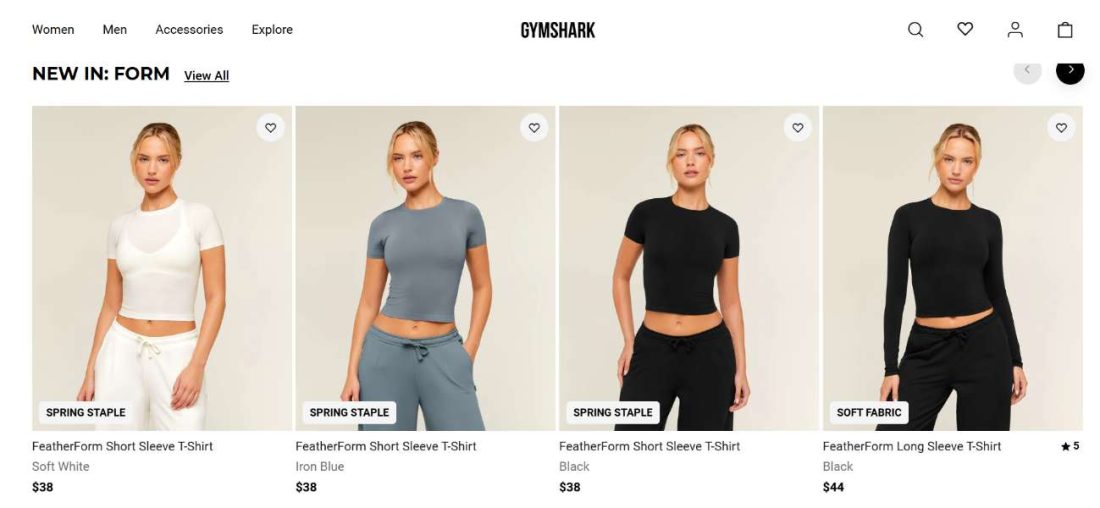
A smaller, more realistic version of this plays out constantly across Shopify: niche apparel brands serving specific communities (nurses, teachers, military families, and specific sports) hit $50K–$200K/month with minimal ad spend because the buyer already self-identifies as their target customer.
Activewear
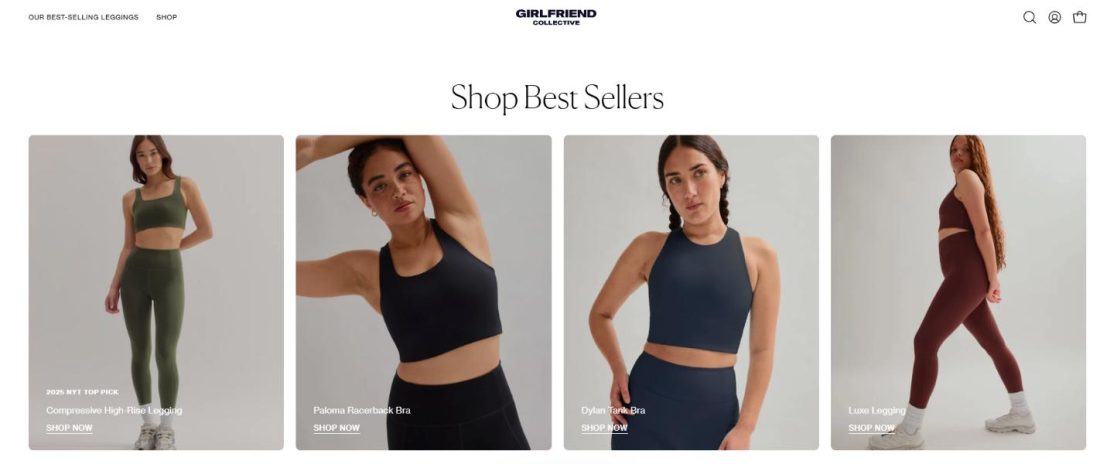
People have started wearing their workout clothes to brunch, the airport, coffee shops, and increasingly to work. The specific positioning that works on Shopify is “designed for women who lift,” not “women’s activewear.” Matching sets in colorways that don’t fade after six washes. Sports bras with actual support for D+ cup sizes. Leggings with functional pockets deep enough for a phone without the phone falling out during a squat. These are the specifics that build five-star review stores in the activewear space.
5. Motor Vehicle Parts & Car Accessories
This is the most underrated category on this entire list for new Shopify sellers. Dashboard accessories alone saw 140% annual sales growth in recent Shopify data. Unlike trend-driven categories, car accessories have durable, functional demand. People don’t stop needing dash cams because a new aesthetic arrived on TikTok. The SEO and YouTube content you create to support this category, installation tutorials, comparison guides, and model-specific recommendations, continues to generate organic traffic for years after you publish it. A seller who builds a 30-video YouTube library around dash cam installations and car organization in year one is still getting free traffic from that content in year four. The content compounds in a way that paid advertising never does. Car accessories also have unusually low return rates compared to apparel or beauty, because the purchase motivation is functional rather than emotional. People know what they need, they buy it, and it does the job.
What’s moving in 2026 for Shopify sellers:
Dash cams
Over 100,000 monthly U.S. searches. Steady, year-round demand driven by real-world necessity, insurance disputes, road rage incidents, and parking lot scams. A product with a clear use case that people can explain to their friends. The video content angle is unusually strong, with comparison videos, installation tutorials, and footage montages performing well organically on YouTube and TikTok.
MagSafe and magnetic phone mounts

Car mounts, desk mounts, and wireless charging mounts. The MagSafe ecosystem has created a product category that didn’t meaningfully exist three years ago. Consumers who switch to MagSafe-compatible cases then need compatible accessories in every context. The cross-sell opportunity, case, car mount, desk mount, and charging pad are exceptional.
6. Phone Accessories & Tech Gadgets
With over 6.8 billion smartphone users globally, phone accessories are one of the most reliable evergreen categories in e-commerce. BlendJet is the clearest example in this space. They launched a portable blender on Shopify, built the brand around a specific lifestyle positioning (“blend anywhere”), and scaled to over $100 million in annual revenue without ever being a traditional electronics company. The product wasn’t revolutionary; portable blenders existed. Phone accessories on Shopify also have an unusually strong bundling opportunity, like a case, car mount, and charger sold as a system at $75 that convert better than three separate $25 items, with meaningfully higher margins.The repurchase cycle is constant; phones break, get upgraded, get scratched, and people constantly want new accessories to match their life and style.
The products that are working for sellers now:
MagSafe accessories
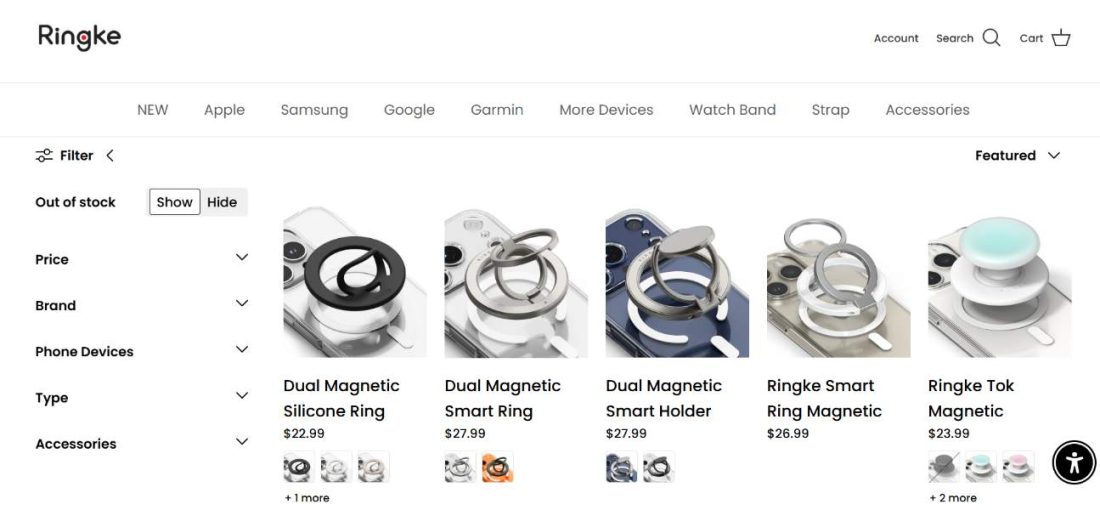
Wallets, car mounts, desk stands, tripods, ring holders. The MagSafe system is a product line, not a single product. A seller who builds around the full MagSafe workflow, home charging, car, desk, and travel simultaneously increases AOV and repeat purchases.
Screen protectors
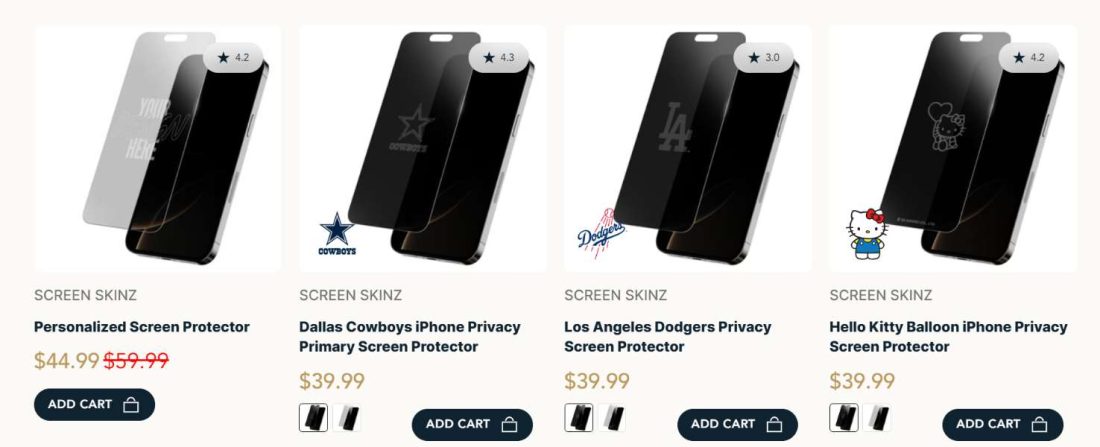
Unglamorous, high repurchase, easy to ship, consistent demand. Paired with a case as a bundle, the margin profile improves significantly.
7. Home Décor & Lifestyle Products
Home décor is a massive category with the specific advantage of being highly visual. The global home décor market is projected to exceed $1 trillion by 2027, and the DTC channel has been consistently taking share from traditional retail. More importantly, home décor has one of the strongest Pinterest ecosystems of any product category, and Pinterest buyers convert at a significantly higher rate than social browsers because they’re actively planning and searching for products to buy. Consumer behavior is driven by aspiration and mood, not need, which means strong creative and lifestyle photography is the real attraction.
These products are working in 2026:
Minimalist and quiet luxury home goods
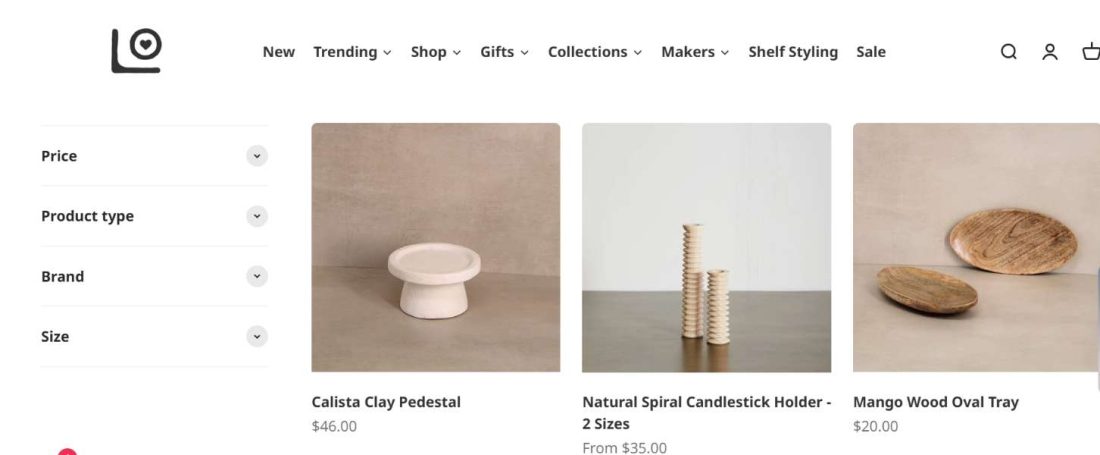
Clean lines, neutral materials (linen, stone, ceramic, matte metal), and objects that look expensive without being expensive. The “quiet luxury” aesthetic that took over fashion in 2023–2024 has fully migrated to home. Consumers are buying things that express taste, not trend. This is good news for Shopify sellers who can curate and photograph well: the creative direction is the differentiation.
Indoor plants and grow kits

Consistent demand among millennial homeowners who want living things in their space but don’t want the complexity of full gardening. Self-watering planters, mushroom grow kits, windowsill herb gardens, and hydroponics starter kits. The content angle is strong: time-lapse growth videos, “day 1 vs. day 30” formats.Home décor spikes hard in Q4 (holiday gifting) and again in late Q1 (new year, new space energy). Plan inventory and ad budgets accordingly.
8. Jewelry
Jewelry is a consistent top performer on Shopify that gets overlooked because it sounds obvious. It shouldn’t be overlooked, as the jewelry market is projected to surpass $307 billion globally, and the Shopify opportunity isn’t in mass-market jewelry. There is a thin gap between cheap fashion jewelry and expensive fine jewelry that most of the market ignores, which can stake or stall your sales.
What you can do differently is start with Demi-fine jewelry
The category spans $15 fast-fashion pieces to $500+ fine jewelry. 14k gold-filled, sterling silver, and vermeil pieces that are genuinely durable, look expensive, and are priced in the $50–$150 range. Brands like Mejuri built a $100+ million business on this exact positioning, demi-fine jewelry for women who buy jewelry for themselves, not for a special occasion, and dozens of smaller Shopify stores have built $1–5M/year businesses in the niche by serving specific communities (bridesmaid jewelry, zodiac jewelry, and profession-specific pieces) that big brands don’t serve specifically enough.This is where consumer demand has been building. Buyers in this range are past the throwaway mindset but not yet ready for fine jewelry investment. They want pieces that last and look intentional.
What’s selling:
Minimalist layered necklaces
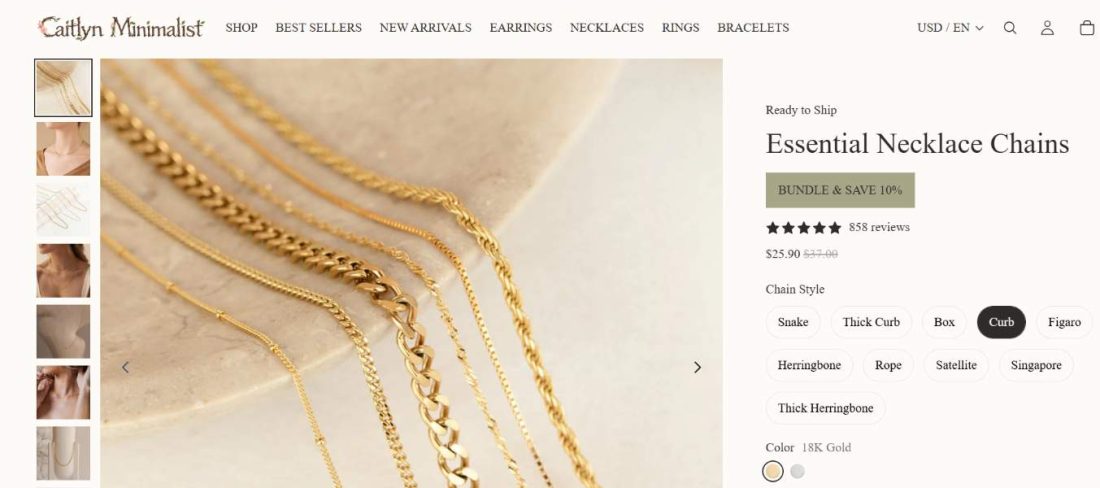
Consistent demand, year-round. The “dainty stacked” look shows no sign of aging out. The conversion driver is “buy the set,” like a snake chain, a paperclip chain, and a pendant layer sold together at a slight discount convert far better than individual pieces.
Men’s jewelry
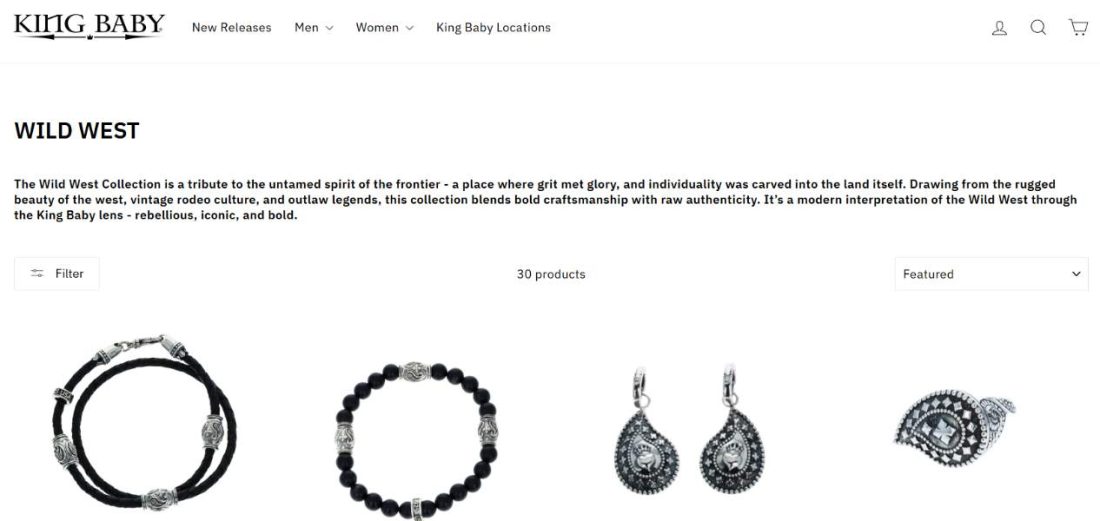
Significantly underserved. The male jewelry market has been growing steadily as cultural norms around men’s accessories have shifted. Signet rings, chain necklaces, cuff bracelets, and leather-cord pendants are all growing categories. A brand positioned specifically for men new to jewelry, simple, not flashy, and built to layer would face almost no direct Shopify competition.
9. Pet Products
The U.S. pet industry crossed $150 billion in 2023 and has continued rising. Buyers don’t cut pet spending in recessions; it’s one of the most recession-resistant categories in retail. And because pet owners form deep emotional bonds with their furry friends, they’re willing to pay premium prices for products they believe are genuinely better for their pets, not just for themselves.
The specific products working on Shopify:
Pet supplements
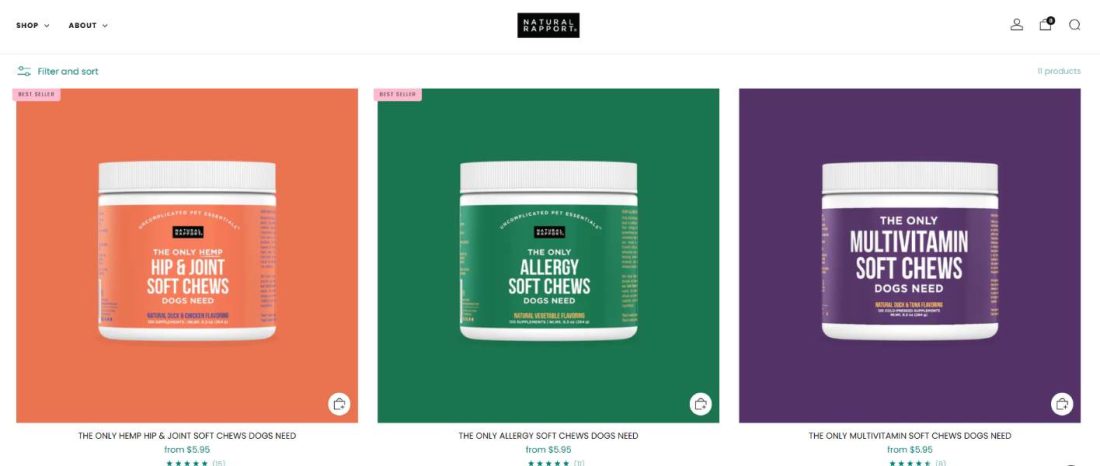
Probiotics, joint supplements (especially for aging large-breed dogs), calming treats and chews for anxious dogs, fish oil, and skin/coat supplements. This is the intersection of the supplement surge and the pet market, and it has exceptional economics like high margin, strong repeat purchase, and emotional purchase motivation. The regulatory environment is simpler than human supplements (NASC guidelines rather than FDA), and the community around pet wellness is vocal and generous with recommendations.
Calming treats for anxious dogs
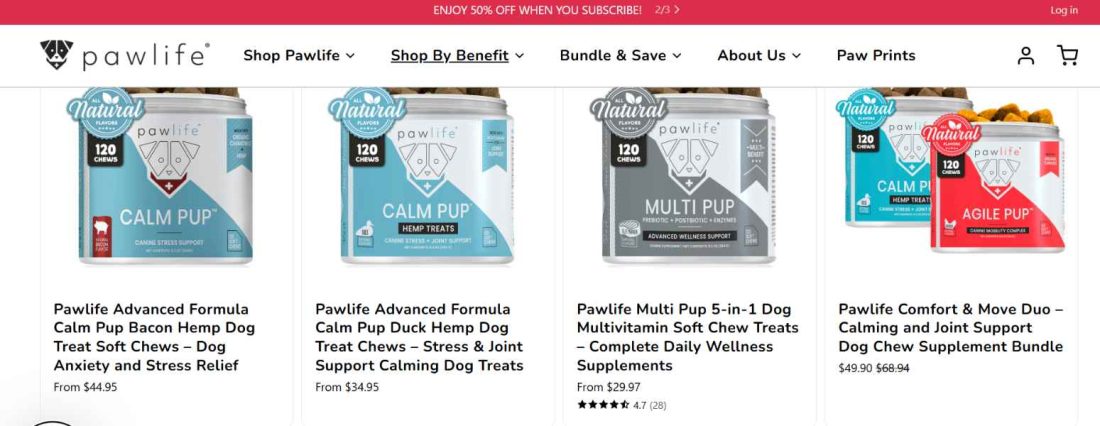
This is the specific sub-product that deserves its own callout. Search demand is consistent, the consumer pain point is real (separation anxiety, thunderstorm phobia, travel stress), and the product genuinely helps. The content is emotional and shareable. First-time buyers almost always reorder if the product works.
10. Eco-Friendly & Sustainable Products
Consumer interest in sustainability has moved from a trend to a baseline expectation for a meaningful percentage of the market, especially among millennials and Gen Z shoppers. Reusable goods, biodegradable alternatives, and “clean” formulation products have loyal audiences who actively seek out eco-friendly brands before purchasing.The keyword there is “actively seek out.” Eco buyers research before purchasing. They read ingredient lists. They Google your brand’s sourcing claims.
The Honest Company, founded by Jessica Alba after she couldn’t find safe, transparent personal care products, reached a $1 billion valuation by building trust through specific ingredient standards rather than simply claiming to be “natural.” That’s the model that works now. Brands that publish third-party lab results, list exact sourcing origins, and earn verifiable certifications (MADE SAFE, EWG Verified, and certified B Corp) convert eco-conscious buyers at meaningfully higher rates than brands that use sustainability as a marketing slogan. The buyer has become too educated to respond to anything less. The good news is that most competitors haven’t adapted yet, which means specific, verifiable claims are still a differentiation, not just a cost of entry.
What’s performing:
Refillable cleaning systems
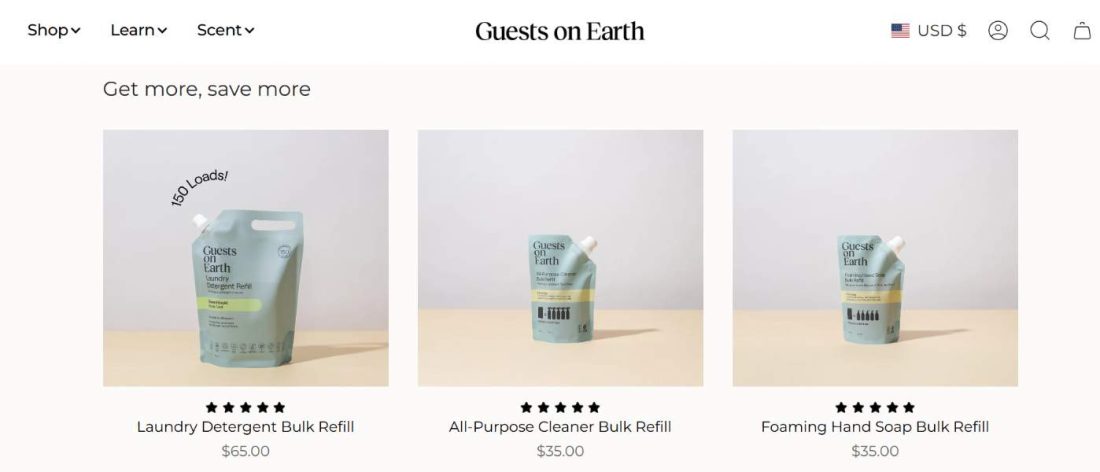
Refillable spray bottles with concentrated cleaning tablets. Brands like Grove Collaborative proved the model; the DTC opportunity is in specific niches (pet-safe formulas, fragrance-free for sensitive households, and luxury scent profiles).
Bamboo and alternative material personal care
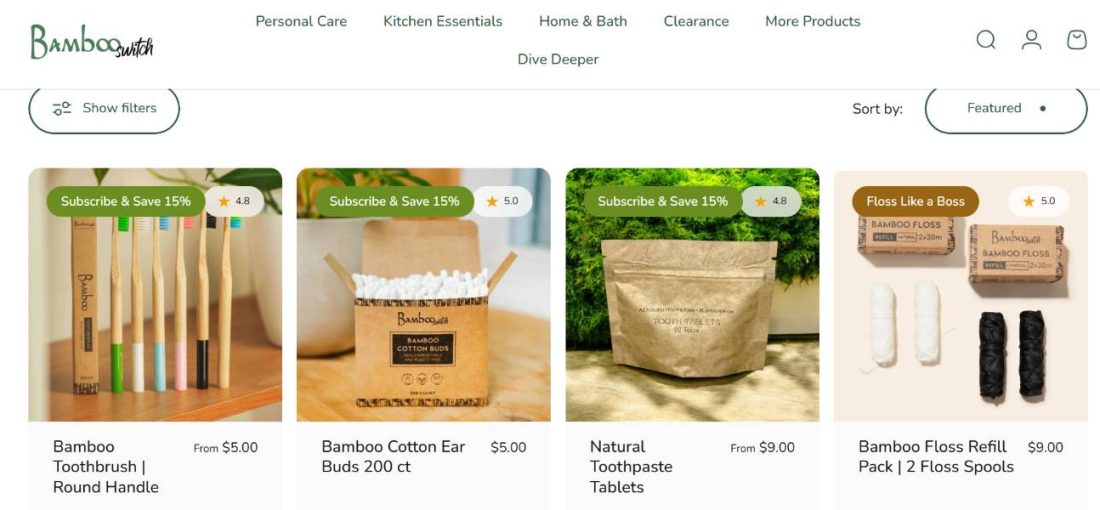
Bamboo toothbrushes, compostable cotton rounds, and bamboo cotton swabs. The barrier to entry is low, but so is differentiation; you need a brand, not just a product.
11. Candles & Home Fragrance
Candles are systematically underrepresented when you look for the best products to sell on Shopify. The candle and home fragrance market is a proven, durable category with low startup costs, high customization potential, strong lifestyle branding opportunities, and genuine repeat-purchase behavior.
The Shopify-specific case for candles
The product photographs beautifully, the brand story writes itself (small-batch, hand-poured, ethically sourced fragrance), and the consumer behavior is emotionally driven in a way that’s ideal for email marketing. Homesick Candles built a $50M+ business on a single insight: people are emotionally attached to the smell of places they love. Every candle in their line is named after a U.S. state or a specific memory, like “Grandma’s Kitchen,” “Beach House,” or “New York City.” That emotional specificity is what drives both conversion and word of mouth. You don’t need their catalog size to apply the lesson. A candle brand built around a single specific emotional territory, like Sunday mornings, mountain cabins, or rainy evenings, can build a deeply loyal customer base and scale through subscription and seasonal drops without ever needing a large ad budget.
What’s working in 2026:
Soy and coconut wax candles with specific mood or moment positioning
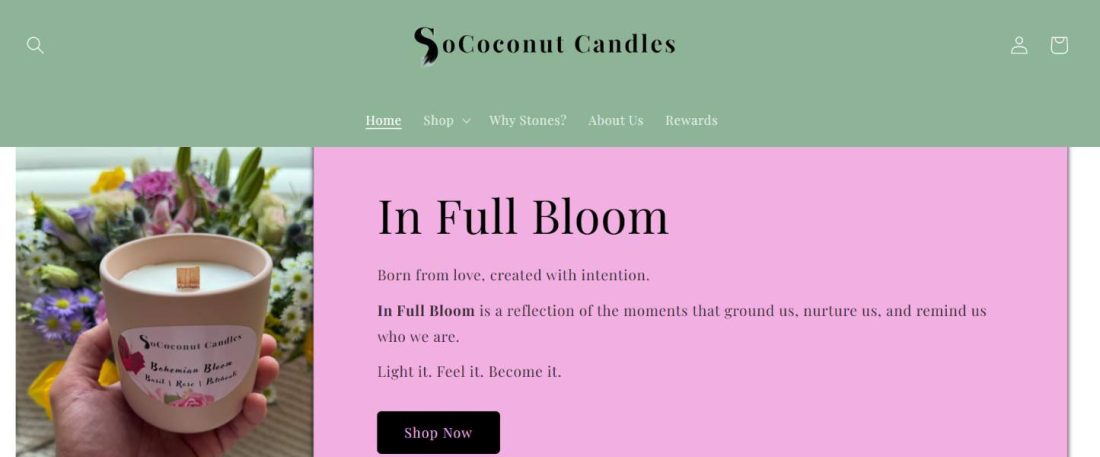
Not “lavender candle.” “Sunday morning before anyone else wakes up.” Not “ocean scent.” “The ferry at dusk.” Scent is inherently emotional and associative; the best candle brands lean fully into this. The consumer isn’t buying a product; they’re buying a feeling.
Candles for men
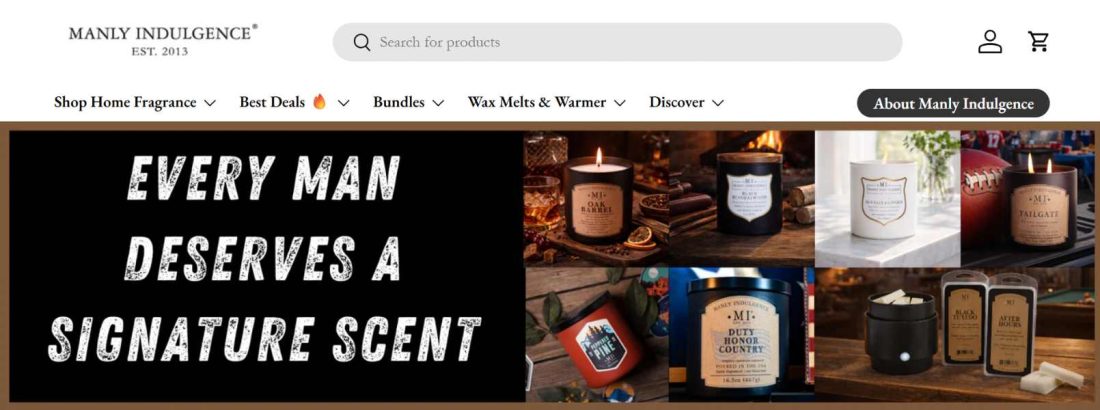
Along with flowers, men deserve candles too. The genuinely underserved angle in this category. The home fragrance market has been largely marketed to women, but male consumers who buy candles are enthusiastic and underserved. Cedar, leather, tobacco, smoked wood, petrichor. A brand positioned directly for men who want their space to smell good without feeling like they’re buying a “women’s” product faces almost no direct competition.
12. Digital Products
Digital products have a margin profile that is simply unavailable in physical goods. near 100% after the initial creation cost, zero COGS on every subsequent sale, no inventory to manage, no shipping to coordinate, and no returns to process. Canva grew to a $40 billion valuation in part because individuals were willing to pay for design templates they could use themselves. At the individual seller level, creators on Gumroad and Etsy have built $500K–$2M/year businesses selling Notion templates, Lightroom presets, and printable planners, all products that took days to create and now sell indefinitely.
What’s selling well in 2026:
Canva templates for small businesses
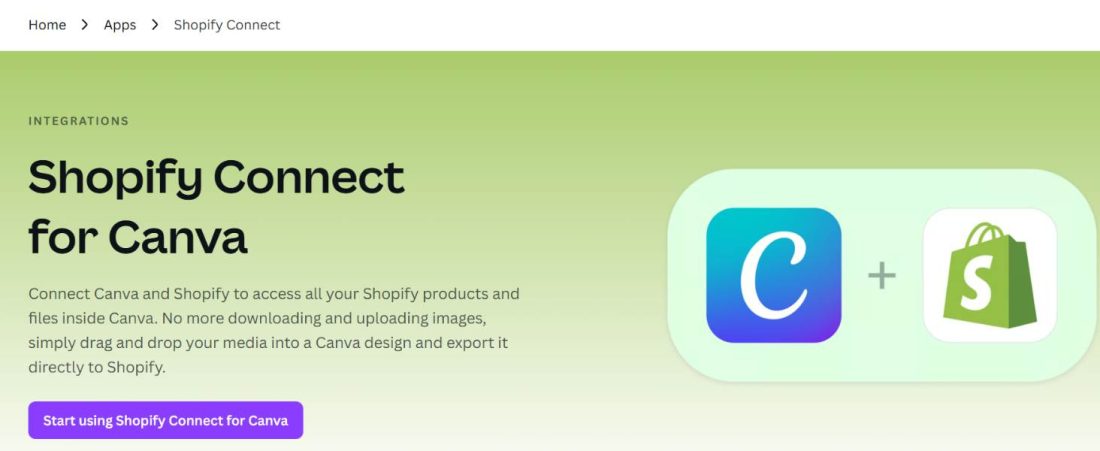
Social media content kits, brand identity packs, pitch deck templates, email newsletter templates, and Instagram highlight covers. The target buyer is a small business owner who wants a professional-looking design without design skills or a design budget. This buyer is abundant, motivated, and willing to pay. A comprehensive “brand kit” template pack, logo concepts, business cards, social templates, and email headers, all cohesive, sell for $35–$75 and take a few days to create.
Printable planners and productivity systems
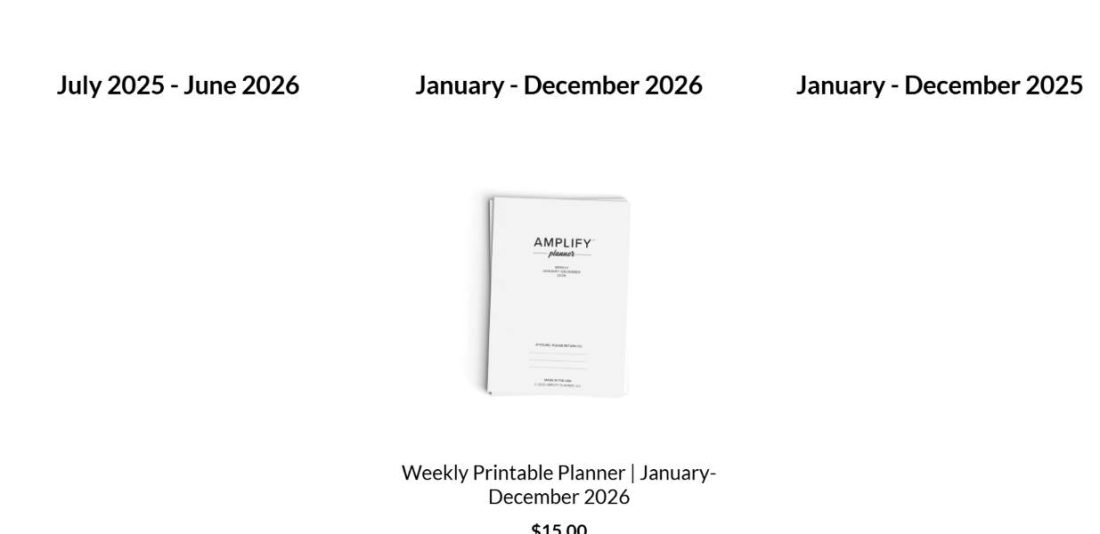
The paper planning community is large, loyal, and digital-native; they buy PDFs, print at home, and treat physical planning as a hobby and identity. Weekly planner templates, daily dashboards, budget trackers, meal planning systems, and wedding planning kits. Seasonal and theme-specific planners (new year reset, back-to-school, and pregnancy planners) capture search demand at predictable times.
What are the best products to sell on Shopify for beginners
Beginners will initially need a low startup capital requirement, a forgiving shipping profile (lightweight, durable, doesn’t need temperature control or special handling), minimal regulatory exposure; ease of photographing with a phone camera, and enough margin to absorb the inevitable learning curve on paid ads.
Here are the best products and categories for beginners:
Digital products
This is the most beginner-friendly category. Zero inventory, zero shipping, zero COGS after creation. You can launch a Canva template shop or a printable planner store for the cost of a Shopify subscription. The downside is that you need strong positioning and SEO patience; organic discovery takes time. But the risk profile is the lowest of any Shopify business.
Print-on-demand apparel
No inventory, no upfront cost, and designs validated before you ever order a bulk run. The economics cap out below what branded inventory can achieve, but for a beginner learning paid advertising, content creation, and store optimization, POD removes the financial risk of getting product decisions wrong. Start here, validate a niche audience, then graduate to inventory once you know what sells.
Candles
Low material costs and home-based production are realistic at a small scale, with high brand potential and strong word-of-mouth in local communities before you even need paid ads. A beginner can launch with six scents and a $500 materials investment and validate demand in local markets or on Instagram before spending on Shopify advertising.
Pet accessories (non-supplement)
Custom tags, bandanas, and accessories avoid the regulatory complexity of pet food and supplements. The emotional purchase motivation is high. The photography is accessible (people happily photograph their pets in all kinds of situations).
Phone accessories
Lightweight, cheap to ship, universal in demand, and easy to source. The challenge is differentiation because this category has significant Amazon competition, but a focused Shopify brand with a clear aesthetic or niche (MagSafe accessories for a specific lifestyle, cases for a specific phone model with a specific design language) can build a loyal customer base.
What beginners should avoid initially:
Supplements
FDA compliance, formulation complexity, customer retention requirements, and high CAC make supplements punishing for first-time Shopify sellers. The upside is real, but not until you understand email marketing, ad targeting, and retention economics well enough to model the business accurately.
Perishable food and beverages
Fulfillment complexity, shipping costs, temperature control, and shelf-life management will overwhelm a beginner before they ever get to the interesting parts of running a business.
Apparel with sizing (inventory-based)
Managing size runs, fit expectations, and returns is genuinely complex. Start with POD before committing to inventory.
How to Find Best-Selling Products on Shopify
Here’s the uncomfortable truth about most product research, by the time a product shows up in your “best products to sell in 2026” findings, it’s already past its prime entry window. Tallow moisturizer is the example that keeps getting cited in different sources; the 2,600% search spike happened before it became mainstream.
Here’s how to do the best-selling products on Shopify:
Google Trends
The common mistake is searching for a product name and looking at the absolute search volume. The better signal is the trend line’s shape. A product with moderate, steadily rising search interest over 24 months is worth more than a product with a spike-and-collapse pattern, even if the spike was 10x higher. Steady upward trends suggest genuine behavioral change. Spikes suggest viral moments. These are different things.
Reddit communities before they reach Google
Product conversations begin in communities, not in search. r/SkincareAddiction, r/Fitness, r/HomeImprovement, r/DIY, r/BudgetCooking, r/Frugal, r/MaleFashionAdvice, and r/FemaleFashionAdvice: These communities are where people ask each other what they’re actually buying and why. Reading through these before checking search volume will consistently put you 3–6 months ahead of competitors who rely solely on tools.
Micro-influencers under 50K followers
The standard advice to watch influencers is correct. The standard application of that advice, watching large influencers, is too slow. Major influencers are often 12–18 months behind the trend curve; brands pay for their endorsements after the trend has proven itself. Micro-influencers in a specific niche (a 20K-follower running account, a 35K-follower ancestral health creator, or an 18K-follower slow fashion account) are often early adopters, not endorsers. What they’re excited about without sponsorship is a more reliable signal than what they’re paid to feature.
TikTok Shop trending tab
TikTok Shop’s native trending data shows what’s actually converting on the platform, not just what’s getting views. The distinction matters.A product going viral as entertainment and a product going viral while converting to purchases are not the same thing. The latter is the signal worth acting on.
Keyword research with commercial intent filters
A “tallow moisturizer” trend on Google Trends indicates awareness. “Buy tallow moisturizer” growing in keyword tools means purchase intent. These are different signals that call for different responses. Awareness-stage trends are early opportunities to build content. Purchase-intent trends indicate a market that’s ready to convert to paid advertising.
Three Shopify-Specific Advantages Every Seller Should Know
There are specific infrastructure advantages of Shopify that actually determine which products are optimal to sell there versus on Amazon,vs Etsy, or a marketplace.On Shopify, you own the customer relationship in its entirety. That ownership creates compounding advantages that fundamentally change the economics of the right products:
Running ads on Shopify that can boost your sales
On Shopify, every ad dollar you spend drives traffic to a page you own, and the customer who buys is added to your list, flows, and retargeting audiences. Meta and TikTok ads on Shopify aren’t just acquisition tools; they’re list-building tools. Every customer you acquire through paid advertising becomes an asset that generates revenue for years without additional spend. That combined effect is why Shopify stores with strong retention systems can afford customer acquisition costs that would be fatal for a marketplace seller operating on the same gross margins.
Email and SMS flows generate 20–40% of revenue at near-zero incremental cost
A Klaviyo setup with a welcome flow, abandoned cart sequence, post-purchase education series, and replenishment reminder can generate this level of revenue without a single ad dollar. For supplement and skincare stores specifically, this transforms the LTV model.
Subscription integrations turn one-time buyers into recurring revenue
Recharge and Skio integrate natively with Shopify. Subscription models work exceptionally well in supplements, skincare, pet care, candles (monthly scent delivery), and specialty food/beverage. A 20% subscribe-and-save option on a supplement converts surprisingly well and can dramatically change your LTV projections.
Final Thoughts
The products in this guide aren’t a shopping list. They’re a starting point for the actual work, from finding the gap between who’s being served well and who’s being ignored, building a brand that speaks specifically to that person, and constructing the retention infrastructure that makes the economics work once you’ve earned your first customers.The stores that succeed on Shopify in 2026 aren’t the ones that found the best product. They’re the ones who found the best product for a specific person, built a brand that person recognizes themselves in, and set up the email flows, subscription options, and cross-sells that turn a transaction into a relationship.
FAQs
Based on Shopify’s own merchant data and current search trends: targeted skincare serums, magnesium and sleep supplements, MagSafe accessories, niche identity apparel, weighted blankets, demi-fine jewelry, pet supplements, and digital products like Canva templates and Notion systems.The full list with specific products is broken out by category in the sections above.
Shopify’s official data shows shirts and tops as the #1 category by merchant volume, followed by skincare, makeup, vitamins and supplements, pants, dresses, motor vehicle parts, and activewear. Within those categories, the specific products with the highest current momentum are camo hoodies, tallow moisturizer, magnesium glycinate, barrel-fit jeans, dash cams, and weighted blankets.
Beginners should prioritize products with low startup capital requirements, simple shipping profiles, and minimal regulatory risk. Digital products, print-on-demand apparel, candles, and phone accessories are the most forgiving entry points. Supplements, perishable food, and inventory-based apparel with sizing should generally wait until you understand your ad performance and customer behavior well enough to model the economics accurately.
Yes, but the model has matured. Generic dropshipping with no brand differentiation, copying an AliExpress product, running Facebook ads, and competing on price are extremely difficult to make profitable in 2026. Dropshipping as a testing method (validating demand before committing to branded inventory) remains valuable. And hybrid models, dropshipping with a branded store, proprietary packaging, and strong creativity still work. The differentiator is no longer the product; it’s the positioning, the creative, and the retention infrastructure.
Shopify wins for: brand-driven products where the story matters, repeat-purchase categories where you need to own the customer relationship, products with strong lifestyle or community components, and anything where email/SMS retention dramatically changes the LTV economics. Amazon wins for high-search-volume commodities where buyers aren’t brand-loyal, products where price comparison is the primary purchase driver, and physical goods where Prime shipping is a meaningful competitive advantage. The overlap between strong Shopify and strong Amazon is smaller than most sellers assume.
The most reliable methods are Google Trends for trend-shape analysis (not just volume), Reddit communities for early consumer conversations, Amazon Movers & Shakers for velocity signals before they reach Shopify competition, TikTok Shop trending tab for conversion-validated viral products, and micro-influencer watching for 3–6 month early signals. Then, validate with a $300–$500 ad test before committing to inventory.