
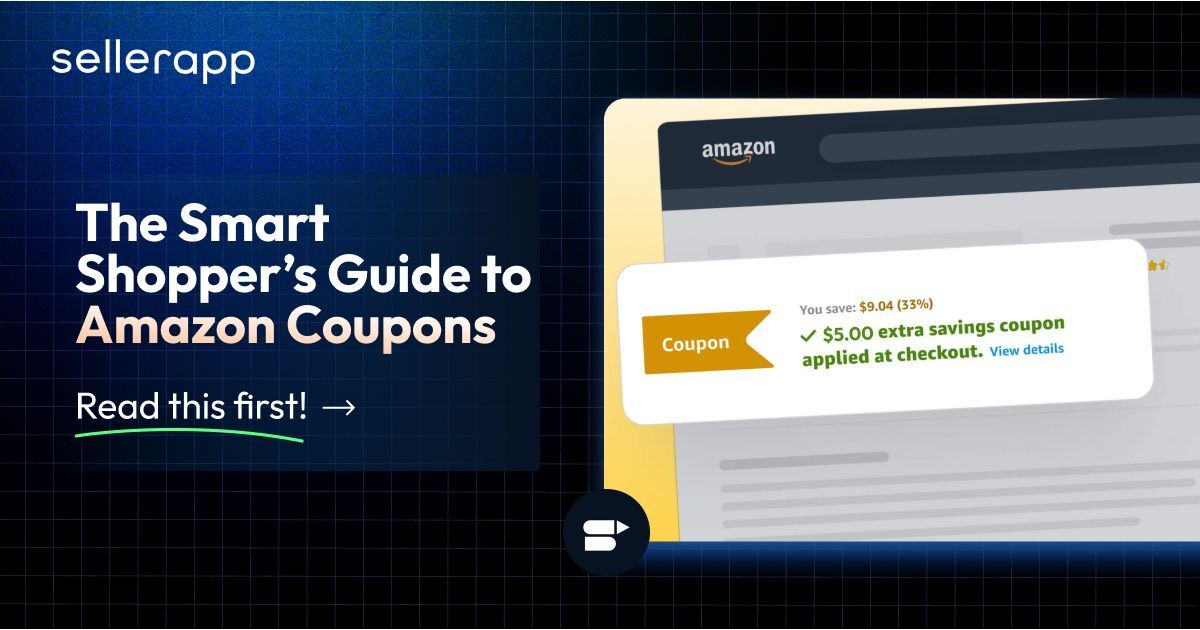
You’re scrolling through Seller Central at midnight, watching competitors crush it in your category. Their secret weapon? Those bright green “Save $5” badges next to their listings. Amazon coupons.
Meanwhile your perfectly optimized product with better reviews just sits there. No Amazon coupon code visible. No badge. Converting at half the rate it should while shoppers actively search for Amazon promo code deals.
Here’s what nobody tells you about Amazon coupons when you’re starting out. They’re not just discount mechanisms. These Amazon coupon codes are visibility multipliers that make smaller sellers competitive against brands spending 10X more on advertising. Understanding what are Amazon coupons and how they work separates sellers who struggle from those who scale profitably.
The stats tell the story. 93% of shoppers hunt for coupon codes for Amazon before buying. These same people spend 24% more than shoppers who don’t use Amazon promo codes 2026. Understanding Amazon promo codes 2026 strategy isn’t optional anymore. It’s how you survive when everyone else is fighting for the same customers. Mastering Amazon promo codes 2026 separates profitable sellers from those barely breaking even.
This guide breaks down everything about what are Amazon coupons and how do Amazon coupons work in the algorithm. What are Amazon coupons actually doing for your business profitability. How Amazon coupons work affects your organic rankings. Setting up Amazon coupon codes without getting suppressed (that’s the nightmare part).
The 2026 Amazon fee changes will flip Amazon promo codes 2026 economics. Strategic frameworks for when to deploy Amazon coupons and when to hold off. Understanding what are Amazon coupons versus other promotion types prevents costly mistakes when learning how do Amazon coupons work.
Whether you’re launching your first product with an Amazon coupon code learning what are Amazon coupons capabilities or managing multiple Amazon promo codes 2026 campaigns across a seven-figure catalog understanding how do Amazon coupons work, you’ll know exactly how to use Amazon coupons optimally. Understanding what are Amazon coupons doing for conversions, avoid expensive mistakes about how do Amazon coupons work algorithmically, and implement the tactics working with Amazon promo codes in 2026 right now.
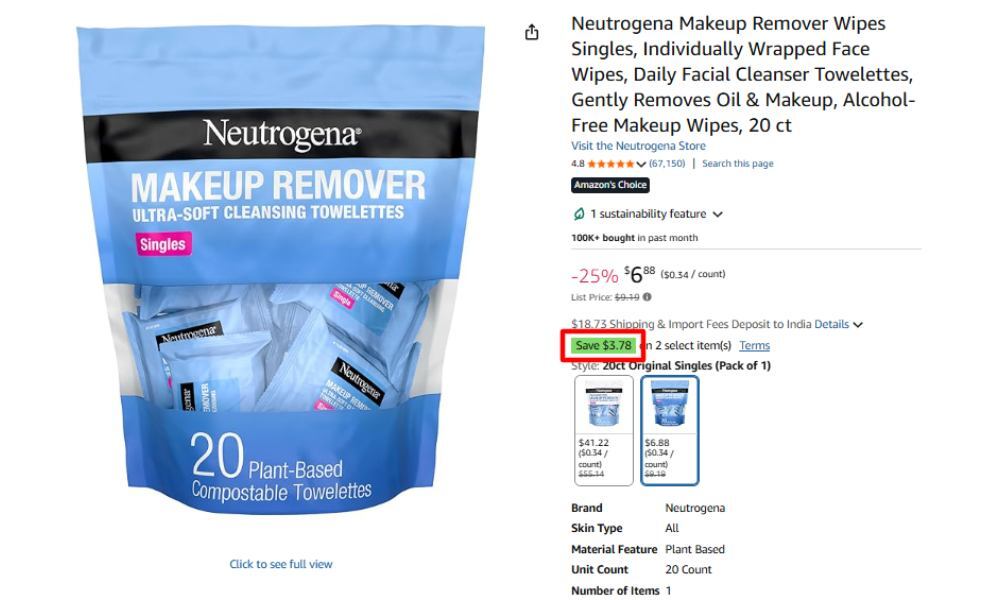
Amazon coupons are digital discounts you create in Seller Central. They show up as clippable green badges on your listings. When someone asks what are Amazon coupons, the simple answer is this—they’re the green “Clip Coupon” buttons shoppers see in search results and on product pages. Click once, discount applies automatically. No Amazon coupon code to type. No Amazon promo code to remember. Just instant savings that typically boost conversion 10-20%.
Critical Information for Amazon Coupons
Recent Fee Changes for Amazon Promo Codes
Your Amazon Coupons Decision Checklist
Recent Performance Data for Amazon Promo Codes
Top Categories for Amazon Coupon Codes
Categories Where Amazon Coupons Struggle
Three Ways Smart Sellers Use Amazon Coupon Codes
Let’s sort out the confusion because Amazon offers three discount types and sellers constantly mix up Amazon coupons with other Amazon promo codes.
Amazon Coupons Explained
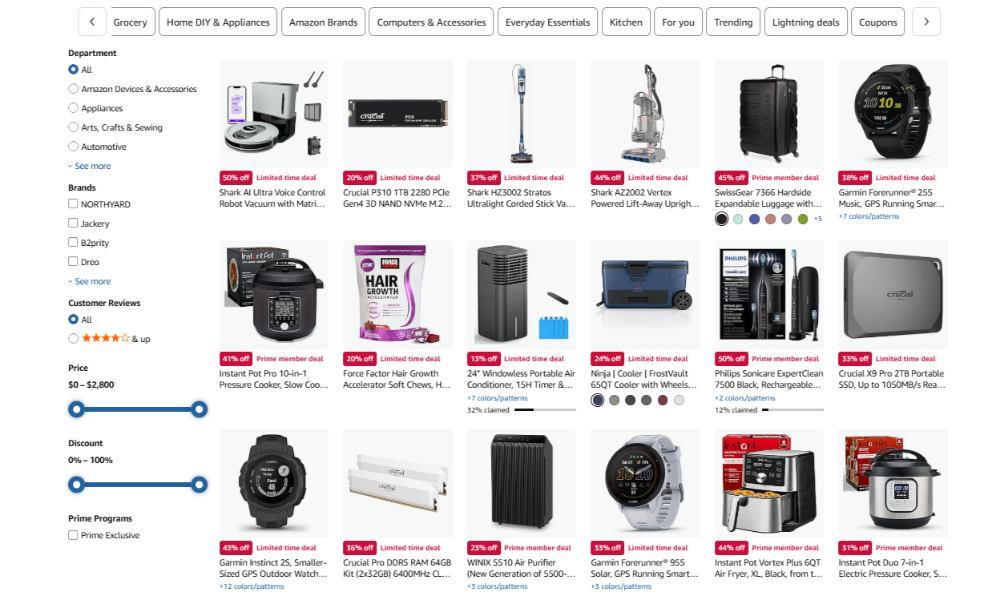
These are the green “Clip Coupon” badges appearing directly in search results. When shoppers look for coupon codes for Amazon, these green badges catch their attention instantly. Someone clicks once, the Amazon coupon attaches to their account, discount applies at checkout automatically. Zero friction. That’s the whole point of Amazon coupons versus traditional Amazon coupon code systems that require manual entry.
Regular Promotional Codes
These Amazon promo codes need manual entry at checkout. You’ve seen them—codes like “SAVE20” or “WELCOME15” that someone has to type in. You create these Amazon coupon codes in the same Seller Central section, but they don’t get that valuable green badge. These Amazon promo codes 2026 work better for external traffic, influencer campaigns, email lists where you share specific coupon codes for Amazon with targeted audiences.
Lightning Deals Are Different
Time-limited discounts Amazon controls. You apply for these Amazon promo code alternatives, Amazon decides eligibility, then charges $300-500 for placement. Completely separate from the self-service Amazon coupons we’re discussing.
Why the distinction between Amazon coupons and Amazon promo codes matters so much? Amazon coupons show in search results before anyone clicks. That green badge appears when shoppers browse “dog treats” or whatever they’re hunting for. It’s psychological. They clip your Amazon coupon code, they’ve mentally started buying from YOU instead of competitors. People actively searching for Amazon promo codes see that badge first.
Real example. Fifty listings appear for “organic coffee.” Yours shows a green “Save $4” Amazon coupon. Competitor has nothing. Who gets clicked? Your listing just gained 15% more clicks from that Amazon coupon code badge alone based on Amazon’s Accelerate conference data.
The mechanics of how Amazon coupons work are straightforward but specific.
Seller Side Setup
You pick percentage (5-80%) or dollar amount for your Amazon coupon code. Amazon validates pricing (nightmare territory ahead). If approved, your Amazon promo code goes live within 4 hours. The process for Amazon promo codes 2026 happens entirely in Seller Central under Advertising.
Shopper Experience
They see green badge for Amazon coupons in search. Click to clip your Amazon coupon code. Discount applies automatically. One click, done. That’s why Amazon coupons convert 3-4X better than traditional coupon codes for Amazon requiring manual typing at checkout.
Economic Reality
You pay $5 flat fee plus 2.5% of all Amazon coupon sales. Example—a $30 product with 10% Amazon promo code ($3 off) selling 200 units generates $6,000 in coupon sales. Your fee for this Amazon coupon code: $5 + ($6,000 × 0.025) = $155. Your discount cost: $600. Total investment in Amazon coupons: $755 for 200 units, which is $3.78 per unit.
That’s where sellers get crushed with Amazon promo codes. They calculate the $3 discount but completely forget the $0.78 in Amazon fees. Product with $8 profit before Amazon coupon codes? Now you’re at $4.22 after both costs. Still works, but 47% margin compression you didn’t budget for when planning Amazon promo codes 2026.
“Most sellers I talk to have never calculated their true NET ACOS when running Amazon coupons and PPC together. They watch campaign ACOS in isolation. They don’t realize the Amazon coupon code is eating another 8-12 points off margin. The math with Amazon promo codes gets ugly fast if you’re not precise from day one.” – Dilip Vamanan, SellerApp Co-founder
Understanding shopper behavior with Amazon coupons directly impacts strategy because different ways people discover coupon codes for Amazon convert at different rates.
Organic Search Discovery of Amazon Coupon Codes (40% of How People Find Them)
Someone searches “baby wipes” and your listing pops up with green Amazon coupon badge. You just caught peak buying intent. They came to purchase, not browse. Your Amazon promo code is the final nudge tipping their decision toward you. Shoppers specifically hunting for Amazon promo codes 2026 deals notice that badge immediately.
The Amazon coupon code badge shows two places—thumbnail level with small green text below image, and listing detail with prominent checkbox under price. Conversion rates from organic search with active Amazon coupons typically run 18-22% versus 12-15% without coupons. That 6-7 point lift from Amazon promo codes compounds dramatically when you’re spending money driving that traffic with PPC.
Amazon’s Dedicated Coupons Page (25% Discovery Rate)
Amazon maintains Amazon.com/coupons where deal hunters actively search for Amazon coupon codes across categories. It’s organized by department with filters for discount size, brands, ratings. When someone wonders what are Amazon coupons available right now, they check this page.
Getting your Amazon promo code featured prominently requires active Amazon coupon running, decent discount (usually 10%+ for your Amazon coupon code to show well), 3.5+ star rating minimum, and healthy sales velocity since Amazon’s algorithm prioritizes popular products when displaying coupon codes for Amazon.
Psychology here differs. These shoppers actively hunt deals using Amazon coupons. They’re less brand-loyal, more price-sensitive, but likely to convert IF your Amazon promo code stands out. A $5 Amazon coupon competes with dozens of other Amazon coupon codes. An $8 Amazon promo code? Suddenly you’re memorable.
Deal Aggregator Sites Showing Amazon Promo Codes (15% Discovery)
Sites like Groupon, RetailMeNot, Honey showcase popular Amazon coupons to their audiences. Groupon alone drives 67 million monthly visitors hunting discount offers including Amazon promo codes 2026. You can’t directly control whether these sites feature your Amazon coupon code, but you increase odds by running Amazon coupons during major shopping events when searches for coupon codes for Amazon peak, offering aggressive discounts (20%+) that stand out in listings, and maintaining strong ratings.
When Groupon features your Amazon promo code, expect traffic spikes. One pet brand saw 340% daily session increase when their 25% Amazon coupon got picked up by three aggregators during October Prime Day 2026. Sales velocity from that Amazon coupon code triggered Amazon’s algorithm to boost organic rankings, creating compounding effects lasting weeks after the Amazon promo codes ended.
Subscribe & Save Stacking with Amazon Coupons (10% Discovery)
Smart shoppers stack Amazon coupons with Subscribe & Save discounts. Your product with 5% Subscribe & Save plus 15% Amazon coupon code means shoppers get 20% off total. This isn’t a bug in Amazon coupons—it’s intentional to drive subscriptions. You pay both promotions, but conversion on these stacked Amazon promo codes often exceeds 35% because perceived value is massive.
Mobile App Notifications for Amazon Coupon Codes (10% Discovery)
Amazon’s app sometimes notifies customers about new Amazon coupons on products they viewed or wishlisted. You can’t control this distribution of Amazon promo codes, but it’s why running Amazon coupon code campaigns consistently beats sporadic promotions. Shopper browsed your listing last week, gets notification about your new Amazon promo code today, conversion probability jumps significantly.
Before June 2, 2025, Amazon coupons were simple. $0.60 per redemption. Sell 100 units with Amazon coupon code? Pay $60. Easy math for Amazon promo codes.
Then Amazon changed everything for Amazon coupons—$5 flat fee plus 2.5% of total sales.
Let me walk through exact economics of how Amazon coupons work now because this fundamentally changed who should use Amazon coupon codes and who shouldn’t.
The Critical $22 Price Threshold for Amazon Promo Codes
There’s a magic price point where old Amazon coupon fees equal new ones. Understanding this determines your entire strategy for Amazon promo codes.
Older Amazon coupons fee: $0.60 per unit New coupon codes for Amazon fee: $5 / units + (price × 0.025)
For 100 units sold with Amazon coupon code at different prices:
$15 product with Amazon promo code:
$22 product with Amazon coupon:
$50 product with Amazon coupon code:
$150 product with Amazon promo code:
“When the fee change for Amazon coupons hit in June, premium sellers in the $80-150 range panicked because Amazon coupon code costs tripled overnight. What saved them was reducing discount depth from 15% to 8% on Amazon promo codes while maintaining competitive advantage because competitors dropped coupon codes for Amazon entirely. Sometimes a smaller Amazon coupon with the green badge beats no badge at all.” – Marsha Ozerick, Performance Marketing Director at Pet Brand.
Products Under $25 Using Amazon Coupons The new fee structure for Amazon promo codes actually favors you when understanding what are Amazon coupons costs in 2026 versus 2025. Run Amazon coupon codes more aggressively than before learning how do Amazon coupons work economically. You’re paying less per unit with Amazon promo codes 2026 than sellers paid in 2025 which changes what are Amazon coupons capable of achieving.
Products $25 to $60 Using Amazon Promo Codes Gray zone for coupon codes for Amazon economics learning what are Amazon coupons profitability when understanding how do Amazon coupons work financially. Still works but needs precise margin calculations with Amazon promo codes 2026.
Consider shorter Amazon coupon duration (2-3 weeks instead of 60 days) when testing what are Amazon coupons ROI, smaller discounts (5-8% on Amazon coupon codes instead of 15-20%) while learning how do Amazon coupons work, combining Amazon coupons with PPC to maximize the green badge lift from Amazon promo codes 2026.
Products Over $60 Using Amazon Coupon Codes Amazon coupons got expensive for premium products. Don’t abandon Amazon promo codes entirely though. Reserve Amazon coupon code campaigns for strategic windows like launches, inventory clearance, major events. Run shorter duration (7-14 days max for Amazon coupons).
Use coupon codes for Amazon as differentiation in categories where competitors don’t use them. Calculate break-even before launching Amazon promo codes and accept Month 1 might lose money if building long-term velocity.
Here’s where theory meets reality and sellers hit the suppression wall with Amazon coupons learning how do Amazon coupons work. Let me walk through setup understanding how do Amazon coupons work technically, then tackle the suppression nightmare that trips up most people when first discovering how do Amazon coupons work in practice.
Navigate to Seller Central Advertising Section for Amazon Coupons
Click Advertising, select Coupons, then “Create new coupon.” Options appear for single ASIN, multiple ASINs (up to 200 for Amazon coupon codes), and budget cap to prevent runaway costs with Amazon promo codes.
Choose Your Amazon Coupon Code Discount Type
Two choices for Amazon coupons:
Money Off Amazon Promo Code: Fixed dollar like “Save $5”
Percentage Off Amazon Coupon: Percent discount like “15% off”
Real data—dollar-off Amazon coupon codes beat percentage by 11 points in redemption (43% vs 32%) when understanding how do Amazon coupons work psychologically. Why when learning how do Amazon coupons work cognitively? When shoppers see what are Amazon coupons showing “Save $5” they instantly know value. “Save 15%” on Amazon promo codes requires mental math creating friction understanding how do Amazon coupons work in buyer psychology. However, for products over $50, percentage Amazon coupons often make more sense. A 20% Amazon coupon code on $80 item ($16 off) looks more impressive than “$16 off” because percentage feels bigger.
Set Your Amazon Promo Code Discount Amount
Constraint for Amazon coupons: 5% minimum, 80% maximum based on reference price.
Guidelines by goal when using Amazon coupon codes:
Select Duration for Your Amazon Coupons
Amazon coupon codes run 1 day to 90 days. Strategic timing matters more than duration with Amazon promo codes:
2-3 week campaigns ideal for testing new products with Amazon coupons. Enough time gathering data on Amazon coupon codes without long commitment.
30-45 day campaigns standard for established products using Amazon promo codes. Gives algorithm time recognizing performance lift from Amazon coupons.
60-90 day campaigns reserved for launches or seasonal products where sustained visibility from Amazon coupon codes matters for review accumulation.
Set Redemption Limits on Amazon Coupon Codes
Limit Amazon coupons to one use per customer, or unlimited uses. For most sellers with Amazon promo codes, “one per customer” prevents abuse and controls costs. But if driving bulk purchases with Amazon coupon codes like subscribe & save or household essentials, unlimited might work.
Set Budget Cap for Amazon Promo Codes (Critical Safety Net)
This prevents viral success from bankrupting you with Amazon coupons. Set maximum spend like $500 or $1000, and when hit, the Amazon coupon code automatically expires. Essential for Amazon promo codes 2026.
Submit Amazon Coupon for Review
Amazon reviews within 4 hours typically. But here’s where sellers learning how Amazon coupons work hit the suppression wall…
67% of sellers creating Amazon coupons for first time hit suppression errors when learning how do Amazon coupons work. Not because they messed up Amazon coupon codes or misunderstood what are Amazon coupons. Because Amazon’s validation system for Amazon promo codes is temperamental and error messages mislead you about what actually broke. Understanding what are Amazon coupons suppression triggers and how do Amazon coupons work through Amazon’s validation process helps you fix issues faster with Amazon promo codes 2026.
Error One: Insufficient Sales History for Amazon Coupons
What Amazon says: ASINs don’t have sufficient sales history for Amazon coupon codes.
What it actually means with Amazon coupons: Amazon’s algorithm can’t validate “was price” because your pricing has been volatile or ASIN is too new.
Irony—this error hits products WITH sales history while brand new products with zero sales get approved for Amazon promo codes. Why? Amazon’s system checks price CONSISTENCY more than sales VOLUME when validating coupon codes for Amazon.
Actual solution for Amazon coupon codes:
One seller reported: “Had 98 of 112 ASINs suppressed trying to run Amazon promo codes. Added List Price equal to current price, waited 14 days, reduced to 3 suppressed.” The system needed pricing validation for Amazon coupon codes, not volume.
Error Two: No Reference Price for Amazon Promo Codes
What Amazon says about Amazon coupons: ASINs must have Reference Price.
What it means: Amazon’s pricing services can’t retrieve historical data for your Amazon coupon code.
Fix for Amazon promo codes:
Critical insight—setting “Min Price” and “Max Price” in pricing settings sometimes helps Amazon validate Amazon coupons even though these fields aren’t officially required for Amazon promo codes.
Error Three: Discount Requirements Not Met with Amazon Coupons
What Amazon says: Current Price with Amazon coupon code must be at least 5% lower than lowest price in last 30 days.
What it means for Amazon promo codes: Your proposed discount doesn’t beat recent lowest price by enough.
Example breaking Amazon coupons:
Fix for Amazon promo codes: Either wait 30 days for old sale price aging out, OR increase Amazon coupon discount to beat it. If recent low was $23.95, your Amazon coupon code needs price under $22.75 ($23.95 × 0.95).
This is why frequent price changes wreck ability to run Amazon coupons. Consistency is everything for coupon codes for Amazon.
Error Four: Invalid Product Count Blocking Amazon Coupon Codes
What Amazon says about Amazon coupons: There are no valid products on this Coupon.
What it usually means for Amazon promo codes: Technical glitch or ASINs don’t meet basic eligibility.
Basic eligibility for Amazon coupon codes:
Fix for Amazon coupons:
“I’ve worked with sellers fighting suppression on Amazon coupon codes for weeks. Breakthrough usually comes from asking ‘what does Amazon’s algorithm need to feel confident about pricing?’ It’s not gaming the system with Amazon promo codes. It’s showing 30 days pricing stability so reference price calculations work for Amazon coupons. That patience is hard when eager to launch coupon codes for Amazon, but it’s non-negotiable.” – Dilip Vamanan, SellerApp Co-founder
Not every product needs Amazon coupons when you’re learning what are Amazon coupons best use cases and how do Amazon coupons work for different situations. Here are three primary strategic use cases where Amazon promo codes 2026 generate actual ROI when understanding what are Amazon coupons doing algorithmically and how do Amazon coupons work economically:
The Problem Getting Launched New products with zero reviews convert poorly regardless of PPC spend when learning what are Amazon coupons can do. You drive clicks but bleed money because conversion sits at 4-6%.
The Amazon Coupon Code Solution Aggressive Amazon promo code (20-25% off) for first 60 days to overcome zero-review trust barrier, generate initial sales velocity triggering Amazon’s algorithm, accumulate reviews faster (more sales mean more review opportunities), compete against established competitors who have reviews but no Amazon coupon codes.
Real Example Using Amazon Promo Codes
Sleep tech brand launched white noise machine in Baby category. Starting position—zero reviews, competing against products with 500-2000 reviews at $79 price point, decent click-through (2.8%) but miserable conversion (3.1%).
Launch strategy with Amazon coupons:
Results from Amazon promo codes strategy:
“We ran numbers three ways before launching with Amazon coupons. Option A—no Amazon promo code, slow organic growth, break-even month 11. Option B—aggressive PPC only without Amazon coupon codes, break-even month 9. Option C—big Amazon promo codes plus PPC, willing losing money 90 days. We picked C and hit profitability two months faster. The velocity from that initial Amazon coupon code push created momentum we couldn’t have bought any other way.” – Lance Redwood, 6-Figure Sleep Tech Co-Founder
The Visibility Problem You’re in saturated category where everyone has good reviews, similar pricing, comparable images. You’re invisible without something making you stand out. Amazon coupon codes solve this.
The Amazon Coupon Solution Moderate Amazon promo code (10-15%) to be ONLY listing in search results with green badge, differentiating you from 20 nearly-identical competitors who don’t understand what are Amazon coupons doing for visibility.
Real Scenario: How PetLife Dominated Dog Treats with Amazon Coupons
PetLife came with classic problem. Premium grain-free dog treats at $24.99, competing against 15 brands in $22-27 range. Everyone had 4.5+ stars, everyone had A+ content, everyone ran PPC. No one used Amazon coupon codes.
Conversion stuck at 9.2% despite quality traffic before Amazon promo codes.
Starting position:
Process we followed with Amazon coupon codes:
Week 1-2: Implemented 12% Amazon promo code ($24.99 → $21.99). Monitored competitive response to our Amazon coupon. Nobody reacted.
Week 3-4: Observed 14.3% conversion (up from 9.2%) with Amazon coupon code. Sessions increased 18% as CTR improved from green badge. Amazon coupons differentiation working.
Week 5-6: Reduced to 10% Amazon promo code ($24.99 → $22.49) protecting margins while maintaining badge visibility. Conversion held at 13.1% with Amazon coupon codes.
Week 7-8: Two competitors launched competing Amazon coupons. We increased ours to 15% Amazon coupon code ($24.99 → $21.24) temporarily maintaining largest discount with Amazon promo codes.
Week 9-10: Competitors dropped their Amazon coupon codes after 2 weeks (likely unsustainable margins). We returned to 12% Amazon promo code.
Week 11-12: Established stable pattern with 12% Amazon coupon running continuously using coupon codes for Amazon, adjusted only during major promotional windows.
Result from Amazon coupons strategy:
Why this worked with Amazon coupon codes: In categories where Amazon coupons are RARE, being only green badge creates massive differentiation. In categories where Amazon promo codes are COMMON, you need matching or beating competitors. PetLife lucked into category where competitors either didn’t know about coupon codes for Amazon or couldn’t sustain them profitably.
The Aging Inventory Problem Inventory accumulating long-term storage fees. Every week passing, your effective COGS increases eating profit.
The Amazon Coupon Code Solution Aggressive Amazon promo code (30-50% off) clearing inventory fast before storage fees compound worse.
When to pull trigger with Amazon coupons:
Critical math for Amazon coupon codes:
500 units of $40 product sitting 280 days need Amazon promo codes. Long-term storage fee is $6.90 per cubic foot every 30 days. Average unit is 0.5 cubic feet. Storage cost per unit monthly: $3.45. If inventory sits another 90 days without Amazon coupons: $10.35 additional storage fees per unit.
Option A without Amazon coupon codes: Hold inventory hoping for organic sales. 90 days at current velocity (15 units monthly) means 45 units sold, 455 units still incurring storage. Additional storage costs: $4,710.
Option B using Amazon promo codes: 40% Amazon coupon for 30 days. $40 → $24, net after fees: $19. Cost per unit: $12 (COGS). Net profit with Amazon coupon code: $7 per unit. Likely sells 300-400 units in 30 days. Revenue: $7,200 to $10,800. No additional storage accumulating.
Option B wins using Amazon coupon codes even though selling at minimal margins, because alternative is watching fees compound while hoping for organic sales that might not come without Amazon promo codes.
Most sellers treat PPC and Amazon coupons as separate campaigns when they’re learning what are Amazon coupons and how do Amazon coupons work. Mistake. Magic happens syncing Amazon promo codes 2026 with advertising strategically. Understanding what are Amazon coupons doing for CTR combined with how do Amazon coupons work with sponsored ads creates multiplier effects.
Tactic One: Amazon Coupons Plus Sponsored Products on Exact Match
When running Amazon coupon code, CTR increases because of green badge. But only helps if people SEE your ad with Amazon promo codes.
Strategy using Amazon coupons:
Why it works with Amazon coupon codes: Higher bids plus higher CTR from Amazon promo code equals higher ad rank. Green badge makes ad more clickable, improving quality score, lowering effective CPC over time with Amazon coupons.
Real data—kitchen brand increased exact match bids from $0.85 to $1.10 while running 12% Amazon coupon code. CTR jumped from 0.41% to 0.68% with Amazon promo codes. Conversion went from 11.2% to 17.4% using Amazon coupons. ACOS actually DROPPED from 72% to 48% because higher conversion from Amazon coupon codes made higher CPCs profitable.
Tactic Two: Retargeting Previous Clickers with Amazon Promo Codes
Sponsored Display lets you retarget shoppers who viewed detail page but didn’t buy. Perfect for Amazon coupon codes.
Strategy with Amazon coupons:
Typical conversion on retargeting ads without Amazon coupons: 4-8% Retargeting ads when running active Amazon coupon code: 15-22%
Psychological trigger powerful with Amazon promo codes. They already liked product enough clicking. Price was hesitation. Amazon coupon removes it.
Tactic Three: External Traffic Plus Amazon Coupon Codes
Driving external traffic from Facebook ads, Google Shopping, influencer links? Combine with targeted Amazon promo codes rather than site-wide Amazon coupons.
Strategy using different Amazon coupon codes:
Why separate Amazon coupons: External traffic often needs bigger discount (20-25% Amazon promo code) because they’re earlier buying journey. On-Amazon shoppers further down-funnel convert with smaller discounts (10-15% Amazon coupon codes).
Running both Amazon promo codes simultaneously optimizes for each audience without over-discounting shoppers who would’ve bought anyway with smaller Amazon coupons.
Beyond obvious discount and Amazon fees, Amazon coupons create secondary costs blindsiding sellers learning how Amazon coupons work:
Hidden Cost One: Increased Returns Using Amazon Promo Codes
Aggressive Amazon coupon codes attract bargain hunters with higher return rates. Data on Amazon coupons shows products sold with 5-10% Amazon promo codes see 8-12% return rate, while products with 20-30% Amazon coupons hit 15-22% returns.
Why with Amazon coupon codes: Deep discounts attract impulse buyers less committed. They’re experimenting with Amazon promo codes, not solving specific problem.
Solution for Amazon coupons: Factor return shipping and restocking into coupon economics. If normal return rate is 10% and Amazon coupon codes push it to 18%, add 8% to cost calculations.
Hidden Cost Two: Price Anchoring from Amazon Promo Codes
Once shoppers see product at discounted price with Amazon coupon, they anchor to that as “real” value. When Amazon coupon code ends, conversion doesn’t fully recover to pre-coupon levels learning what are Amazon coupons doing to perception.
Real example with Amazon coupons: Beauty brand ran 30-day 20% Amazon promo code ($42 → $33.60). During Amazon coupon, conversion hit 21.2%. Post-coupon, conversion fell to 8.1% versus 12.4% pre-coupon. Shoppers expected lower price after seeing Amazon coupon codes.
Solution for Amazon promo codes: If running extended Amazon coupons (30+ days), plan making it semi-permanent OR raise base price before launching so “non-coupon” price feels appropriate after Amazon coupon code ends.
Hidden Cost Three: Increased Support Load from Amazon Coupons
More sales from Amazon promo codes mean more customer inquiries. Amazon coupon codes driving 2-3X normal volume create support bottlenecks. If you’re solo seller handling support, this hidden time cost from Amazon coupons matters.
Solution when using Amazon coupon codes: Brief support team before launching major Amazon promo codes campaigns. Prepare FAQ responses for common questions like “Why did I pay full price?” (didn’t clip Amazon coupon) or “Can I get retroactive Amazon coupon code?” (generally no).
Not all categories respond to Amazon coupons equally. Here’s what actually works based on real seller data using Amazon promo codes:
Pet Supplies (Excellent for Amazon Coupons) High repeat purchase means customer acquisition via Amazon coupon code pays off over time. Emotional purchase decisions about pet health. Low returns on consumables with Amazon promo codes. Sweet spot: 15-20% Amazon coupon.
Baby Products (Excellent for Amazon Coupon Codes) New parents overwhelmed by choices, Amazon promo codes provide decision simplicity. High order values make Amazon coupon code fees manageable. Gift purchases love showing generous Amazon coupons. Sweet spot: 12-18% Amazon promo code.
Beauty & Personal Care (Good for Amazon Coupons) Highly competitive so standing out with Amazon coupon codes matters. Customers willing trying new brands if Amazon promo code is right. Subscribe & Save potential creates recurring revenue with Amazon coupons. Sweet spot: 10-15% Amazon coupon code.
Kitchen & Home (Moderate for Amazon Coupons) Long purchase cycles mean buy once, use for years. High consideration purchases mean Amazon coupon codes help but aren’t decisive alone. Works best for items under $50 with Amazon promo codes. Sweet spot: 10-12% Amazon coupon.
Electronics (Challenging for Amazon Coupons) MAP restrictions from manufacturers limit flexibility with Amazon coupon codes. Customers price-shop aggressively so small Amazon promo codes don’t move needle. Higher returns make Amazon coupons risky. Sweet spot: 5-8% Amazon coupon code if allowed by MAP.
Apparel (Challenging for Amazon Coupons) Size and fit uncertainty bigger barrier than any Amazon promo code. High returns (25-35%) make Amazon coupon codes costly. Fast-fashion pricing already aggressive before Amazon coupons. Sweet spot: 10-15% Amazon coupon, but expect limited impact.
When shoppers hunt for Amazon promo codes 2026, they don’t just check Amazon directly. They use entire ecosystem of coupon aggregator sites that showcase Amazon coupon codes.
Groupon Featuring Amazon Promo Codes (67M Monthly Visitors)
Groupon operates dedicated Amazon section showcasing current Amazon coupons, often highlighting major promotional events like Prime Day and Black Friday with Amazon promo codes, category-specific roundups featuring Amazon coupon codes, and device deals using Amazon coupons.
For sellers learning what are Amazon coupons impact beyond Amazon, getting featured on Groupon isn’t direct, but strong discount during major events using Amazon promo codes increases chances of editorial inclusion.
RetailMeNot, CouponFollow, Honey Showing Amazon Coupon Codes
These sites aggregate Amazon promo codes algorithmically, scanning Amazon for active Amazon coupons. Unlike Groupon’s editorial curation, these automatically find Amazon coupon codes.
Key insight for Amazon coupons: When aggregators feature Amazon promo codes from your category, they drive external traffic to Amazon which counts as “off-Amazon” traffic in algorithm (positive signal), often converts higher because these shoppers are qualified deal-seekers hunting Amazon coupon codes, creates sales velocity boosting organic rankings.
You can’t control aggregator featuring of Amazon promo codes, but running Amazon coupon code campaigns during high-traffic periods (Prime Day week, Black Friday through Cyber Monday when searches for Amazon coupons peak) dramatically increases visibility.
Amazon Prime membership isn’t just a shopper perk. It’s a lever that makes your Amazon coupon codes work harder. Here’s what most sellers miss about how Prime interacts with Amazon promo codes.
When Prime members see your Amazon coupon, they convert 18-25% higher than non-Prime shoppers using the same Amazon promo code. Why? Free two-day shipping removes the last friction point. Your Amazon coupon code handles price objection, Prime handles shipping concern. Done deal.
But here’s where it gets strategic. Prime members spend 2.3X more annually than non-Prime shoppers according to Consumer Intelligence Research Partners 2026 data. When they clip your Amazon coupons, you’re not just getting a sale. You’re potentially acquiring a higher-lifetime-value customer who’ll remember your brand.
The Prime Exclusive Discount Option
You can target ONLY Prime members with specific Amazon promo codes through Seller Central. These Prime Exclusive Discounts used to cost $50 per campaign. As of last year, they’re $100 per promo but you’re reaching Amazon’s most valuable shoppers.
When to use Prime-only Amazon coupon codes:
The Prime Day Multiplier Effect
After Prime day, there’s always a halo effect that continues through Q3 and Q4. Prime members are still in deal-hunting mode. Regular Amazon coupons get 2-3X normal redemption rates for about 10 days post-event. Why? Prime members actively compare products looking for Amazon promo codes they missed during the main event.
One pet supply seller told us they extend their Prime Day Amazon coupon codes throughout the month, capturing the “I missed it” shoppers at 20% discount versus the 25% they ran during the actual event. Same visibility, slightly better margins.
Free Shipping Psychology with Coupons
Non-Prime shoppers need to hit $35 minimum for free shipping. Your Amazon coupon can be the bridge. Someone has $28 in their cart, sees your product for $9.99 with $2 off Amazon promo code, suddenly they’re at $35.99 total and qualifying for free shipping. Your coupon just removed the “I’ll come back later” objection.
The takeaway for Amazon coupons strategy: Prime membership amplifies your coupon performance, but you’re competing with other sellers who also understand this. The Amazon coupon codes that win are the ones paired with strong product fundamentals (reviews, images, price competitiveness).
Amazon runs a complex deals ecosystem beyond just Amazon coupons. Understanding where your Amazon promo codes fit in this landscape determines whether you’re visible or invisible.
The Deals Hierarchy
Amazon prioritizes deals in this order for shoppers browsing Amazon.com/coupons and deal pages:
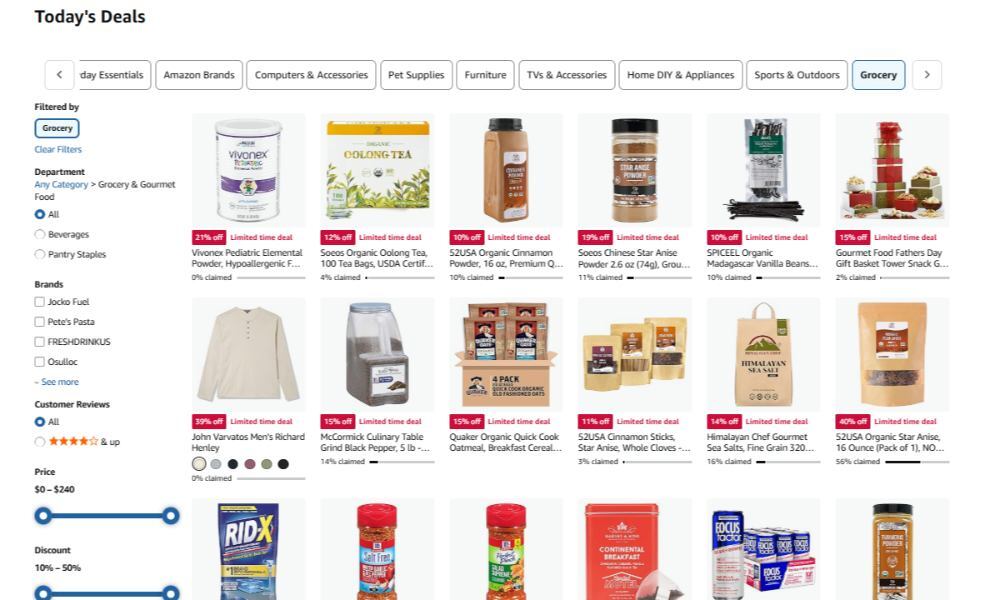
Where most sellers mess up with Amazon promo codes: They try running Amazon coupons simultaneously with Lightning Deals. Amazon’s system sometimes stacks these discounts (customer gets both), sometimes blocks one. The uncertainty makes margin calculations impossible.
Better Strategy with Amazon Coupons
Run Amazon coupon codes as your baseline promotional strategy. When you want a major push during Prime Day or Black Friday, REPLACE the coupon with a Lightning Deal temporarily. Don’t stack. After the Lightning Deal ends, turn your Amazon promo codes back on.
Deal Aggregator Exposure
Sites like Slickdeals, RetailMeNot, and Honey’s deal feeds pull from Amazon’s coupon page. When your Amazon coupon code is live, you’re eligible for external featuring. This happened automatically to several sellers we studied:
You can’t control external featuring, but aggressive Amazon promo codes during high-traffic periods (October Prime Day, Black Friday through Cyber Monday, post-Christmas) dramatically increase odds of aggregator pickup.
Current Deal Trends in 2026
We’re in the golden window right now. Categories performing best with Amazon coupon codes currently: Halloween costumes and decor (obviously), cold weather gear (jackets, boots, heaters), holiday prep items (decorations, entertaining supplies), and early Black Friday positioning in electronics.
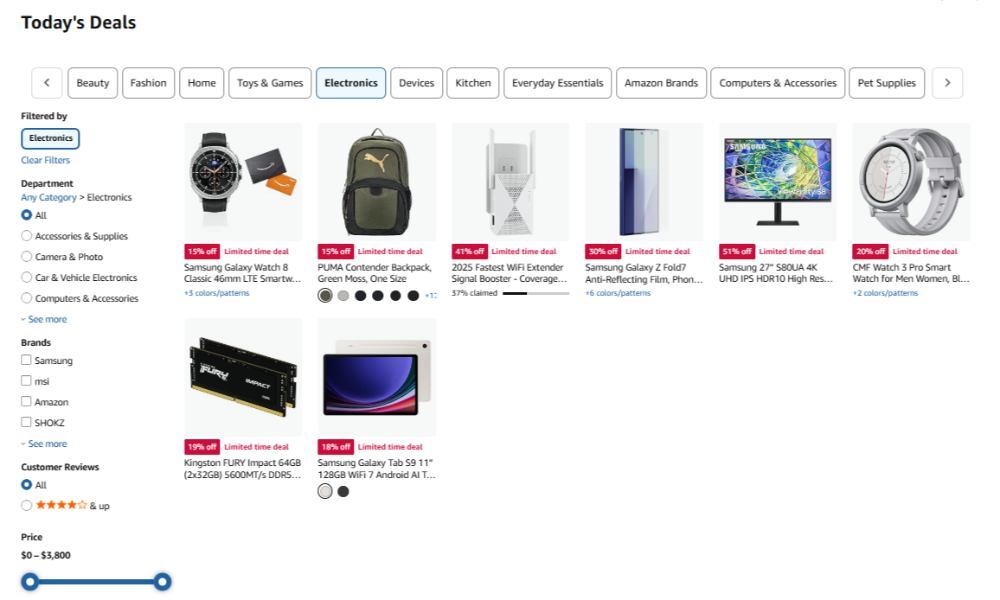
If you’re in gift-worthy categories, running 15-20% Amazon coupon codes from now through November 15 positions you for Black Friday shoppers who start researching early. Post-Thanksgiving, crank coupons to 25-30% for Cyber Monday momentum.
What’s Happening Right Now
Smart sellers are:
Q4 Deal Calendar for Amazon Coupons
When to run aggressive Amazon promo codes rest of 2026:
Running Amazon coupon codes outside major shopping windows? Your money, but conversion rates typically run 30-40% lower when shoppers aren’t in buying mode. October through December is when coupons print money.
These are actual questions from sellers in forums, with real answers that work:
Can customers stack my Amazon coupon with a Lightning Deal?
Sometimes yes, sometimes no. Amazon’s system is inconsistent here. During a Lightning Deal, your Amazon promo code might be automatically suppressed (most common), or it might stack (rare but possible), or the customer might be able to choose one or the other.
You can’t control this behavior. Best practice: Don’t run Amazon coupons during your own Lightning Deals. The margin math gets unpredictable.
Do Amazon coupons affect my Best Seller Rank?
Indirectly yes. Amazon’s BSR algorithm weights sales velocity heavily. Your Amazon coupon code boosts conversion rate, which increases units sold per session, which improves velocity, which lifts BSR.
One electronics seller reported going from #245 to #89 in their category over 6 weeks running a consistent 12% Amazon promo code. The coupon itself didn’t change BSR directly, but the 40% sales increase did.
Can I run different Amazon coupon codes on different ASINs in the same parent listing?
No. If you have a product with variations (colors, sizes), you create ONE Amazon coupon that applies to all child ASINs. You can’t offer 15% off blue shirts and 10% off red shirts. It’s all or nothing.
Workaround: Some sellers manipulate this by separating parent listings, but that fragments your review count across multiple ASINs. Usually not worth it for Amazon promo codes flexibility.
What happens if my Amazon coupon makes my price lower than my minimum advertised price?
MAP violations from Amazon coupon codes are YOUR responsibility, not Amazon’s. Brands with MAP agreements need to ensure your post-coupon price doesn’t violate terms. Amazon won’t stop you from creating an Amazon promo code that violates MAP, but the brand might pull your distribution rights.
Can I target specific customer segments with Amazon coupons?
Yes, with Brand Registry. You can create Amazon coupon codes that only appear for:
These targeted Amazon promo codes typically convert 2-3X better than general coupons because you’re reaching qualified audiences. The setup is buried in Seller Central under Coupons → Create → Audience Targeting.
My competitor is running a bigger Amazon coupon than me. Should I match it?
Not automatically. First, check if their Amazon promo code is sustainable at their price point. Use a tool like Keepa to verify their pricing history and estimate their margin.
If they’re a newer seller burning cash for velocity, matching their Amazon coupon codes might not be necessary. Just wait them out. If they’re established and profitable at that discount, then yes, you probably need to match or beat their Amazon promo code to stay visible.
Can I schedule my Amazon coupon to start and stop automatically?
Yes, when creating Amazon coupons you set start date, end date, and even specific times. You can schedule an Amazon promo code to run Friday 12:01 AM through Sunday 11:59 PM for weekend-only promotions. Great for testing which days your Amazon coupon codes convert best.
Do Amazon coupons work on Subscribe & Save orders?
Yes, and they stack. If someone subscribes to your product (5-15% Subscribe & Save discount) AND clips your Amazon coupon code, they get both discounts. You pay for both as well.
Example: $30 product with 10% Amazon promo code ($3 off) and 15% Subscribe & Save ($4.50 off) means customer pays $22.50. You’ve given up $7.50 in margin but acquired a subscriber worth 3-5X more long-term than a one-time buyer.
What if I want to cancel my Amazon coupon mid-campaign?
You can cancel anytime in Seller Central. But the $5 flat fee is non-refundable once the Amazon coupon goes live. You’ll still owe the $5 even if you cancel after one hour. The 2.5% sales fee only applies to actual redemptions before cancellation.
Why doesn’t my Amazon coupon show in search results even though it’s active?
Four common reasons for invisible Amazon promo codes:
Check your Coupon Dashboard in Seller Central showing “Active” with green status. If it says “Suppressed,” you’ve got bigger problems to fix first before Amazon coupon codes will work.
Let me walk you through exactly how to use Amazon coupon codes from both the seller side (you’re creating them) and explaining what customers see (so you understand the psychology).
Seller Side Creating Amazon Coupons
Step 1: Log into Seller Central, click Advertising in top menu, select Coupons. Click “Create a new coupon” button.
Step 2: Choose between Money Off (like “$5 off”) or Percentage Off (like “15% off”) for your Amazon coupon code. Money-off Amazon promo codes convert better in testing (43% vs 32% redemption) because shoppers instantly see the value without math.
Step 3: Select which ASINs get the Amazon coupon. You can add up to 200 products to a single Amazon promo code campaign, or just one ASIN for targeted testing.
Step 4: Set your discount amount. Remember the 5% minimum, 80% maximum rule. For most Amazon coupon codes, sweet spot is 10-20% depending on your margin and goals.
Step 5: Choose redemption limit. “One per customer” is standard for Amazon coupons to prevent abuse. “Unlimited per customer” works for bulk purchase items like Subscribe & Save household goods.
Step 6: Set your schedule. Start date, end date, specific times if you want weekend-only Amazon promo codes or flash campaigns with Amazon coupon codes.
Step 7 (Critical): Set a budget cap. This is your safety net for Amazon coupons going viral. Put $500, $1000, whatever you’re comfortable losing if TikTok discovers your product. When you hit the cap, Amazon coupon codes automatically expire.
Step 8: Review and submit. Amazon approves most Amazon promo codes within 4 hours unless you hit suppression errors we covered earlier.
Customer Side Using Amazon Coupons
Here’s what shoppers see when your Amazon coupon code is live:
In Search Results: Green badge below your product image saying “Save $X with coupon” or “Save X% with coupon.” This is your visibility advantage with Amazon promo codes before anyone clicks.
On Your Listing: Large green checkbox under the price saying “Clip this coupon to save $X.” One click, no code entry required for Amazon coupons.
At Checkout: If they clipped your Amazon coupon code, they see the discount line automatically applied. If they FORGOT to clip it, they don’t see any discount and they pay full price (frustrating for them, but you don’t pay the coupon fee).
Post-Purchase: Amazon emails them showing savings from Amazon promo codes used. This builds habit of clicking coupons on future purchases, training them to look for your Amazon coupon codes.
Common Mistakes Shoppers Make with Amazon Coupons
Understanding these helps you anticipate support questions:
Mistake 1: Forgetting to Clip – They saw your Amazon coupon in search but didn’t click it. At checkout, no discount. They email you angry. Solution: Your product detail page could have A+ content saying “Don’t forget to clip the coupon above!”
Mistake 2: Cart Timeout – They clipped your Amazon coupon code three days ago, item’s been sitting in cart. Sometimes Amazon promo codes expire from cart if not purchased within 48 hours depending on how Amazon’s system feels that day.
Mistake 3: Variation Confusion – They clipped Amazon coupon on blue shirt, then changed cart to red shirt. Coupon still applies (it’s per parent ASIN) but customers get confused seeing the price change and think the Amazon promo code disappeared.
Best Practices Using Amazon Coupons
If you’re creating Amazon coupon codes for first time:
Test Small: Start with one ASIN, 2-week duration, $300 budget cap on your Amazon promo code. Learn what happens before scaling.
Monitor Daily: First 72 hours after your Amazon coupon code goes live, check Seller Central dashboard 2-3X daily. Watch for suppression, unexpected redemption rates, or velocity spikes.
Pair with PPC: When running Amazon coupons, increase PPC bids 15-20% on top keywords. The green badge makes your ads more clickable. Your ACOS often drops even though you raised bids because Amazon promo codes improve conversion.
Have Support Ready: More sales from Amazon coupon codes means more customer questions. Brief your VA or support team on how the coupons work so they can answer confidently.
Track True Cost: Create spreadsheet tracking discount amount + Amazon fees + increased PPC spend + estimated return rate increase. Your “15% Amazon coupon” might actually cost you 23% all-in.
Amazon’s calendar revolves around major sales events. Your Amazon coupon codes strategy should too. Here’s the 2026 event calendar with specific tactics for Amazon promo codes.
Q1 2026 (January-March)
The fitness surge, organization products, and self-improvement categories see massive traffic through the end of January before people quit their resolutions. If you’re in these verticals, running 15-20% Amazon coupon codes through January 31 captures motivated buyers while competition is relatively light. February typically sees a drop, so take advantage of January urgency.
Summer Prime Day (Mid-July 2026, Likely July 15-16)
Amazon’s first major tentpole event of the year. Most sellers under-invest here because they’re saving ammunition for Q4. That’s the opportunity. Your Amazon coupons strategy should be building velocity early with the algorithm recognizing your conversion rates before Black Friday even arrives.
June 25 through July 10 works as your warm-up period. Run 10-12% Amazon coupon codes so Amazon’s system sees consistent redemption patterns and considers featuring you in Today’s Deals during the actual event. During Prime Day itself, go to 20-25% Amazon promo codes. The shoppers are there specifically hunting deals, and anything under 20% looks weak against competitor pricing.
The week after Summer Prime Day matters more than most sellers realize. July 17-24 should maintain 12-15% Amazon coupon codes capturing the “I missed it” crowd still in deal-hunting mode. These shoppers are frustrated they didn’t find what they wanted during the event and are actively searching with high purchase intent.
Halloween (October 31, 2026)
Not a major sales event for most categories, but costume, decoration, and party supply sellers see 300-400% normal volume. If you’re in these categories, aggressive 20-25% Amazon coupon codes starting October 1 through October 28 captures early planners and last-minute shoppers. After Halloween, kill the Amazon promo codes immediately unless you’re liquidating inventory.
October Prime Day (Mid-October 2026, Likely October 13-14)
Second Prime Day acts as the Q4 kickoff. This event matters strategically because reviews and velocity from October sales directly impact your Black Friday positioning.
What smart sellers do with Amazon coupons here is run 20-25% discounts during the event, then immediately shift to 12-15% Amazon coupon codes for the following 10 days (October 15-24) to maintain momentum while the deal-hunting psychology persists.
The halo effect from October Prime Day extends further than most people think. Prime members who missed deals actively search through October 25th, meaning your Amazon promo codes continue generating traffic and reviews that strengthen your positioning heading into November.
Black Friday (November 27, 2026)
Biggest shopping day of the year. Your Amazon coupons strategy needs to be sequenced, not just “turn on discount and hope.”
November 1-20 is your positioning window. Run 10-15% Amazon coupon codes specifically so Amazon’s algorithm recognizes your velocity and considers you for Today’s Deals featuring. The sellers who get featured on Black Friday started building that velocity three weeks earlier, not the day before.
November 21-25 becomes your testing period. Try 20% Amazon promo codes and monitor redemption rate closely. If redemption is weak, your pricing isn’t competitive enough. If redemption is crushing it, you might be leaving margin on the table. Adjust before the main event hits.
November 26-27 requires going aggressive with 25-30% Amazon coupon codes. Everyone’s running deals. Matching or beating competitors’ Amazon promo codes is how you stay visible when thousands of listings are fighting for the same eyeballs. Some sellers do 30-40% of monthly revenue on Black Friday alone because the combination of search traffic and your Amazon coupon code creates explosive velocity.
Post-Black Friday strategy gets overlooked constantly. Don’t kill your Amazon coupons immediately on November 28. Many shoppers comparison shop on Black Friday but wait until Saturday through Monday to actually purchase, assuming deals stick around. Keep Amazon promo codes running through Monday November 30 at the same discount levels.
Cyber Monday (November 30, 2026)
Second-biggest online shopping day, but the psychology differs from Black Friday. Shoppers on Cyber Monday already missed Black Friday deals. They’re hunting for “better than Black Friday” pricing with Amazon promo codes. If your Black Friday discount was 25%, Cyber Monday should be 27-30% to create that urgency and perception of improvement.
Electronics focus matters here. Cyber Monday traditionally skews toward tech categories more than Black Friday does. If you sell electronics, accessories, or smart home products, this is your Super Bowl with Amazon coupon codes. General merchandise sees traffic but nothing like tech.
Duration extends beyond just Monday. Start Amazon promo codes at midnight Sunday November 29, run through end of day Tuesday December 2. The term “Cyber Monday” now functionally means “Cyber Week” in shopper behavior patterns, even if Amazon doesn’t officially call it that.
December Holiday Shopping (December 3-23, 2026)
After Cyber Monday through December 23 is sustained but declining traffic with improving natural conversion rates. Your Amazon coupon strategy should adjust weekly as urgency increases organically.
December 3-10 should maintain 15-18% Amazon coupon codes, riding momentum from Cyber Monday while competition starts pulling back their discounts prematurely.
December 11-17 can drop to 12-15% Amazon promo codes. Conversion rates naturally increase closer to Christmas because urgency drives purchases even with smaller discounts. Shoppers need gifts and they need them now.
December 18-23 only needs 10-12% Amazon coupon codes. Last-minute shoppers will buy with minimal discount because they’re desperate and out of options. Over-discounting here just kills margin unnecessarily.
Post-Christmas Clearance (December 26-31, 2026)
If you’ve got excess inventory, this is liquidation time with Amazon coupons. Run 30-40% Amazon promo codes to clear stock before January long-term storage fees hit. Shoppers expect deep post-Christmas discounts, and your Amazon coupon codes meet those expectations while moving units that would otherwise sit in warehouses costing you money.
Q4 2026 Event Comparison for Amazon Coupons
October Prime Day works for testing what performs before Q4 chaos hits. Run 20-25% Amazon promo codes and watch what converts.
Black Friday brings highest traffic and most competition. You need 25-30% Amazon coupon codes just to compete at baseline.
Cyber Monday delivers highest tech-category traffic specifically. Match Black Friday discounts with Amazon promo codes or go slightly higher for perceived improvement.
December 15-23 offers best margins despite decent traffic. Only run 10-15% Amazon coupons here.
The mistake most sellers make with Amazon coupon codes is running the same discount across all events. Each event has different buyer psychology and competitive dynamics requiring adjusted Amazon promo codes strategy.
October Prime Day shoppers are bargain hunting recreationally. Black Friday shoppers are gift planning seriously. December 20 shoppers are panicking desperately. Your Amazon coupons should reflect those different motivations.
Amazon offers discount programs beyond just Amazon coupons. Understanding how these stack (or don’t) with your Amazon promo codes determines profitability.
Subscribe & Save Mechanics
Customers can subscribe to your product for recurring delivery (every 1-6 months). They get 5% off automatically, or 15% off if they subscribe to 5+ products in same month delivered to same address.
Here’s where it intersects with Amazon coupon codes: These discounts stack. Your $30 product with 10% Amazon coupon ($3 off) plus 15% Subscribe & Save ($4.50 off) means customer pays $22.50. You’re giving up $7.50 in margin.
Why This Matters for Amazon Coupons
Subscribe & Save customers are 4-5X more valuable than one-time buyers according to 2026 seller data. They have 78% repurchase rate versus 18% for regular customers. When your Amazon promo code attracts a subscriber, you’re acquiring an annuity, not just a sale.
Strategic Use of Amazon Coupons with Subscribe & Save
Tactic 1: Run aggressive 15-20% Amazon coupon codes on Subscribe & Save eligible products during October through December. You’ll lose margin on first order but gain subscribers locked in for 2026. One supplement seller captured 847 new subscribers during Black Friday using 25% Amazon promo codes. Those subscribers generated $127,000 in 2026 recurring revenue.
Tactic 2: Create Prime-only Amazon coupon codes targeting high-frequency purchase items. Prime members subscribe at 3X rate of non-Prime. Your Amazon promo code + Prime eligibility + Subscribe & Save option creates triple incentive.
Tactic 3: After someone buys once, hit them with retargeting ads promoting your Amazon coupon code IF they subscribe. Customer already trusts you from first purchase. Your Amazon promo code removes price objection to subscribing.
The Math That Makes Subscribe & Save Work
Let’s say you sell $25 protein powder. Your margins:
First order profit drops 35% when stacking Amazon coupon codes with Subscribe & Save. But that customer orders 6 more times over 12 months. Orders 2-7 have no Amazon promo code attached (just Subscribe & Save discount). Your 12-month profit: $5.07 + ($6.85 × 6) = $46.17 total.
Compare to one-time buyer from your Amazon coupon: $10 profit once, done. The subscriber generated 4.6X more profit despite the aggressive first-order discount with Amazon coupons.
Amazon Family Program
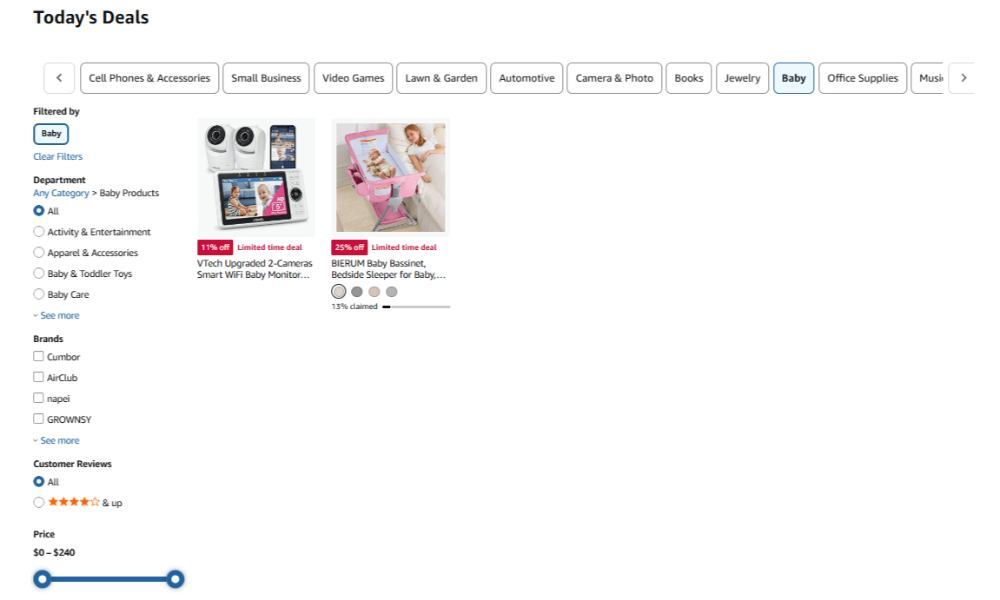
Parents with kids under age 4 qualify for Amazon Family. They get 20% off diapers and baby food subscriptions (up from standard 15%). If you sell in baby categories, your Amazon coupon codes stacking with 20% Subscribe & Save creates 35-40% total discount on first order.
Sounds scary until you realize baby product subscribers stick around 18-24 months on average. They’re not comparison shopping once they find a diaper brand that works. Your aggressive Amazon promo code to acquire them pays back over time.
Outlet Deals and Warehouse Deals
These are Amazon-controlled, not seller-initiated. But understanding them helps your Amazon coupon strategy.
Amazon Outlet: Overstock and clearance directly from brands. You can’t opt into this with Amazon coupons. Amazon approaches you if interested.
Warehouse Deals: Open-box, returned, or slightly damaged items Amazon resells. Again, not something you control with Amazon promo codes.
Why this matters: If you’re running aggressive 30-40% Amazon coupon codes on new inventory, you might be undercutting your own products in Warehouse Deals where Amazon is selling your returned items at 20-30% off. Check if your products appear in Warehouse before launching deep discount Amazon coupons.
Volume Discounts vs Amazon Coupons
You can create tiered pricing through Promotions (not Coupons): Buy 2 get 10% off, Buy 3 get 20% off. These don’t show the green coupon badge though.
When to use volume discounts instead of Amazon coupon codes:
When to use Amazon promo codes instead:
Combining Multiple Programs with Amazon Coupons
Maximum stack possible on Amazon with Amazon coupon codes:
Total: 45% off for customers who stack everything. You’re only responsible for your Amazon promo code (15%) and Subscribe & Save (15%). The credit card rewards come from banks, not your margin.
One home goods seller discovered customers were stacking all four programs. Instead of fighting it, they marketed TO stackers: “Subscribe, use your Amazon card, clip our coupon – save 45%!” Traffic from deal forums exploded because stackers hunt these opportunities. The seller’s Amazon coupon codes became marketing assets attracting bargain hunters who then converted to subscribers.
Bottom Line on Stacking Programs with Amazon Coupons
Don’t fear stacking. Embrace it strategically. Your Amazon promo codes combined with Subscribe & Save and payment rewards create customer acquisition costs that look insane on paper but pay back over 12-24 months through retained subscription revenue. Just make sure you’re calculating lifetime value, not just first-order profit, when evaluating Amazon coupon codes ROI.
Mistake One: Not Calculating True Cost of Amazon Coupons
Sellers calculate discount but forget Amazon’s $5 plus 2.5% fees when using Amazon coupon codes, increased PPC costs driving traffic to Amazon promo codes, potential return rate increases from Amazon coupons, and customer service time dealing with Amazon coupon code questions.
Real cost of 15% Amazon coupon on $30 product often ends up being 22-25% margin compression, not just the 15% discount from Amazon promo codes.
Mistake Two: Running Amazon Coupons on Struggling Products
Product with 3.2 stars and 4% conversion won’t get fixed by Amazon coupon code. You’re just losing money faster with Amazon promo codes. Fix product issues (images, reviews, description) FIRST, then add Amazon coupon to amplify success.
Mistake Three: Not Monitoring Competitors Using Amazon Coupon Codes
You launch 15% Amazon promo code, gain traction, then competitor launches 20% Amazon coupon and your traffic evaporates. Monitor competing listings weekly when running Amazon coupon codes.
Mistake Four: Inconsistent Pricing Breaking Amazon Coupons
Changing prices frequently to “test” wrecks ability running Amazon coupon codes because Amazon can’t validate reference price. Pick price, stick with it 30+ days, THEN launch Amazon promo codes.
Mistake Five: Forgetting Budget Caps on Amazon Coupon Codes
One seller ran 25% Amazon coupon on viral TikTok product expecting 50-75 sales. Got 847 sales in 36 hours. No budget cap meant losing $8,200 in unexpected discount costs from Amazon promo codes. Always set caps when using Amazon coupons.
Amazon coupons in 2026 are no longer optional for most sellers learning what are Amazon coupons doing for competitive advantage and how do Amazon coupons work algorithmically. These Amazon promo codes 2026 are table stakes in competitive categories and powerful accelerators in launch situations when you understand what are Amazon coupons truly capable of. But Amazon coupon codes are more complex than they appear when first learning how do Amazon coupons work economically.
The fee changes reward low-price sellers using Amazon coupons and penalized premium products with Amazon promo codes. The suppression error plague makes setup frustrating when trying to run Amazon coupon codes. Hidden costs chip away at margins if you’re not precise calculating true cost of Amazon promo codes 2026.
But for sellers who understand true economics of Amazon coupons, monitor performance religiously on Amazon coupon codes, adapt strategy based on competitive response to Amazon promo codes, and use coupon codes for Amazon as part of broader marketing system (not isolation), these Amazon coupon codes remain one of highest-ROI promotional tools available.
That green badge from Amazon coupons drives clicks. Those clicks convert better with Amazon promo codes. That velocity compounds into organic ranking improvements persisting long after Amazon coupon code ends.
Question isn’t whether you should use Amazon coupons today. It’s whether you can afford NOT to while competitors capture market share with that little green badge you’re missing from Amazon promo codes.
Start small with Amazon coupon codes. Test one product. Run 2-week campaign using Amazon promo codes. Calculate TRUE costs including fees and secondary effects from Amazon coupons. Measure everything about Amazon coupon code performance. Then scale what works with Amazon promo codes 2026.
And if you’re serious about dominating your category using Amazon coupons, consider partnering with platforms and teams that live and breathe Amazon coupon codes daily. Because in 2026’s Amazon marketplace, amateur hour is over. Sellers winning are treating Amazon promo codes as science, not shot in dark.
Ready to launch your first strategic Amazon coupon code campaign? Start with checklist at top of this guide understanding what are Amazon coupons doing for your specific situation. Get pricing stabilized first before Amazon coupons. Calculate break-even including all costs from Amazon promo codes. Then test coupon codes for Amazon. The data will tell you what to do next with Amazon coupon codes.