



Walmart AI ads are doing more than automating bids. Most sellers treat them as a plug-and-play shortcut instead of a serious growth lever. You can have a great product, competitive pricing, and solid listing content. Still, if you do not understand how the Walmart AI ad system actually works, you are paying for clicks you should not be paying for and missing the ones that actually convert. Most brands launch a campaign, set a budget, and assume the algorithm handles the rest. That is exactly where performance starts to break down. In this article, we will see what a Walmart AI ad actually is, how Walmart AI-driven advertising works under the hood, and what you can do right now to make the system work for your catalog instead of against it.
Quick Gudie:
- How Walmart AI Ad Works Inside Walmart Connect
- Real Use Cases of Walmart AI Ads for Brands
- AI Ad Optimization: Walmart Getting the Most Out of Every Dollar
- Third-Party AI Automation Tools for Walmart Ads
- Common Mistakes Brands Make With Walmart AI Ad Campaigns
- Final Takeaway: Is Walmart AI Advertising Right for Your Brand?
- FAQ
How Walmart AI Ad Works Inside Walmart Connect
Unlike older advertising systems that relied heavily on third-party cookies and broad demographic targeting, Walmart’s native AI advertising engine works inside its own retail ecosystem. It uses first-party shopper data from Walmart.com, app activity, in-store purchases, search behavior, cart actions, and fulfillment trends to make real-time ad decisions.
Walmart is positioning this less like a traditional keyword bidding platform and more like an intent-driven retail media engine. Instead of simply rewarding the highest bid, the system evaluates which product is most likely to convert profitably in that moment.
For example, if two brands bid on the keyword “protein powder,” Walmart’s AI may prioritize the product with a stronger conversion history, faster shipping, healthier inventory levels, and better shopper relevance, even if the CPC bid is slightly lower. A seller bidding $1.80 per click can still lose placement to a seller bidding $1.50 if Walmart predicts the second listing has a higher purchase probability.
This changes how ad costs behave. In traditional campaigns, higher bids often win visibility. In Walmart AI-driven advertising, the platform dynamically adjusts placement pricing based on conversion likelihood, shopper intent, fulfillment strength, and historical performance signals. The goal is not just maximizing clicks. It is maximizing the likelihood of a completed purchase.
A shopper who recently bought running shoes, browsed gym accessories, and searched “whey isolate” multiple times is more likely to see sponsored protein powder placements across Walmart search results, category pages, and product detail pages. Walmart’s native AI automation connects these behavioral signals in real time to capture shoppers closer to purchase intent rather than relying on static keyword matching alone.
That said, Walmart’s native AI advertising still has limitations. Brands get automation, but not always full transparency. Granular keyword profitability, placement-level reporting, bid-change visibility, TACoS tracking, contribution margin analysis, and deeper cross-campaign insights are still limited inside Walmart Connect alone.
That is why many brands layer third-party platforms like SellerApp on top of Walmart AI ad campaigns. A stronger third-party automation platform can help reduce wasted ad spend, improve TACoS, identify low-margin keywords before they drain profitability, and make optimization decisions using both advertising and catalog performance data.
Instead of relying entirely on Walmart’s black-box automation, brands using platforms like SellerApp gain more control over bid strategies, profitability tracking, search term intelligence, and SKU-level performance, helping them scale campaigns more efficiently without sacrificing margins.
Real Use Cases of Walmart AI Ads for Brands
These Walmart AI ad use cases show how brands are using AI-driven advertising beyond basic sponsored placements. From retargeting high-intent shoppers to optimizing seasonal demand, Walmart’s native AI automation is designed to improve conversion efficiency using real-time shopper behavior and purchase signals. But while Walmart Connect automates targeting and bidding at scale, brands still rely on third-party platforms like SellerApp for deeper profitability insights, granular optimization controls, TACoS tracking, and better visibility into campaign-level ROI.
Retargeting High-Intent Shoppers
Walmart AI ads are built to bridge the gap between interest and purchase. When a shopper browses gaming monitors three times in a week but does not buy, the system does not forget them.
Walmart AI-driven advertising tracks that behavior and serves a targeted ad at the next high-likelihood moment, a discounted bundle, a better-rated alternative, or the same product with a stronger offer. This is especially powerful in categories like electronics, furniture, and fitness equipment, where shoppers research for days before committing.
This improves return on ad spend by focusing the budget on shoppers already close to conversion instead of repeatedly targeting cold traffic.
Cross-Selling Complementary Products
This is where AI in Walmart product ad platform gives you an edge that keyword targeting alone cannot. The system identifies purchase patterns across its entire customer base, not just your buyers. A brand selling a standing desk can use Walmart Connect AI ads to reach shoppers who just bought an ergonomic chair. A protein powder brand can get in front of someone who just added a gym bag to their cart. You are not guessing at intent. You are showing up at the exact moment a complementary need exists. This increases average order value while helping brands capture incremental revenue from adjacent purchase behavior. Third-party tools like SellerApp make these cross-sell opportunities easier to measure at the SKU and profitability level instead of relying only on Walmart’s native automation signals.
Seasonal and Event-Based Campaign Optimization
During peak periods like Black Friday or Back-to-School, manual bid management cannot keep up with demand shifts that happen hour by hour. Walmart AI ad campaigns adjust bidding and placement in real time based on rising search volume and live conversion signals. If air fryer searches spike on the Wednesday before Thanksgiving, the system responds automatically with no manual intervention needed. For brands in high-velocity categories, this alone can be the difference between capturing the spike or missing it entirely. The automation helps brands react faster to demand spikes without manually adjusting bids every few hours, protecting visibility during peak conversion windows.
Localized Advertising Based on Regional Demand
Walmart’s scale means AI in Walmart ad platform has purchase data across thousands of zip codes, not just broad regions. A sunscreen brand can push Walmart AI ads in Florida and Southern California while pulling back in markets where conversion historically drops. A snow boot brand can activate aggressively in the Midwest the moment weather signals a cold front. Walmart AI-driven advertising does not treat the US as one market and neither should your campaign strategy. This helps brands allocate ad spend more efficiently instead of spreading budget evenly across low-converting regions.
New Product Launch Visibility
New listings have no sales history, no reviews, and no organic ranking. Walmart AI ad campaigns solve the cold start problem by finding shoppers whose purchase behavior closely matches your early converters. If your first 50 buyers all had fitness products in their recent order history, Walmart Connect AI ads use that signal to expand reach toward similar high-intent profiles. Instead of waiting months for organic traction, you are building a conversion pattern the algorithm can scale. For newer brands, this shortens the time needed to build conversion history and organic traction.
Inventory-Aware Advertising Decisions
One overlooked advantage of Walmart AI advertising is how it responds to fulfillment strength. Products with healthy stock levels and faster shipping speeds naturally perform better because AI ad optimization Walmart prioritizes conversion probability, and a product at risk of stockout is a conversion risk. Smart brands use this strategically, pushing Walmart AI ad spend toward high-margin SKUs with strong inventory while pulling back on products close to stockout. That not only reduces wasted spend but also protects contribution margin and overall campaign profitability. Third-party platforms like SellerApp take this further by connecting advertising performance with profitability metrics like TACoS, margin impact, and SKU-level efficiency, giving brands more control than Walmart’s native automation alone.
AI Ad Optimization: Walmart Getting the Most Out of Every Dollar
Walmart’s AI automation is good at scaling momentum, but it is still reactive. If your campaign structure, SKU prioritization, and profitability thresholds are weak, the system will scale inefficiency just as aggressively as it scales winners.
- Let the algorithm learn. A new Walmart AI ad campaign needs at least two weeks of data before performance stabilizes. Resist the urge to change bids or budgets too early. You’ll interrupt the learning phase.
- Feed the system clean inputs. AI in the Walmart ad platform performs best when your product content includes strong titles, accurate attributes, and high-quality images. A Walmart AI ad can drive traffic, but poor listing content kills conversion. The two work together.
- Review your search term reports weekly. Even in an AI-ad optimization Walmart environment, human oversight matters. Identify irrelevant placements, tighten your targeting, and shift budget toward top-converting segments.
The system gets smarter the more you engage with it. Pause what’s not working, scale what is, and you’ll notice the algorithm starts working harder for your specific catalog over time.
Third-Party AI Automation Tools for Walmart Ads
Many brands use third-party automation platforms alongside Walmart Connect because Walmart’s native AI automation still has limited visibility into profitability and granular campaign controls.
This matters even more because Walmart runs on a first-price auction model, where advertisers pay exactly what they bid. Overbidding does not just hurt efficiency, it directly increases wasted spend. While Walmart’s native AI can optimize placements and bidding, brands still need deeper control over keyword-level profitability, bid timing, placement performance, and TACOS visibility.
Platforms like SellerApp help close that gap with AI-driven bid optimization, hourly dayparting, automated keyword harvesting, multi-action workflow automation, and ASIN-level profitability tracking. Instead of relying on static rules, the system continuously adjusts bids using live auction behavior, conversion trends, and hourly shopper activity.
Features like dayparting help brands increase bids during high-conversion windows and reduce spend during low-performing hours, while keyword harvesting automatically moves high-converting search terms into manual campaigns for tighter bid control. SellerApp also adds TACOS visibility, automation previews, and action logs that Walmart’s native automation does not fully expose.
The result is not just more automation. It is better control over wasted spend, profitability, and long-term campaign efficiency.
Common Mistakes Brands Make With Walmart AI Ad Campaigns
Here are the most common mistakes to avoid. Even experienced sellers running solid catalogs fall into these traps and most of them are easy to fix once you know what to look for:
1. Setting and forgetting. Check in weekly and adjust based on what the data tells you.
2. Neglecting product content. A weak title, missing attributes, or low-quality images will kill the click.
3. Cutting the learning phase short. Give every new campaign at least two weeks before making any calls on performance.
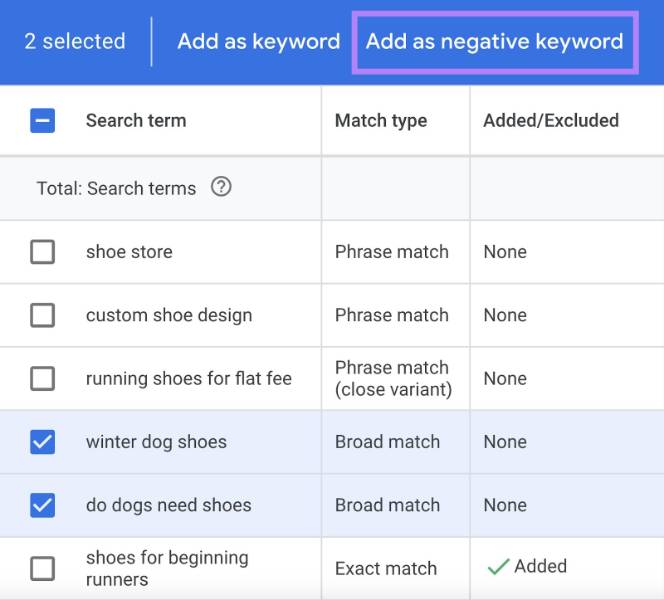
4. Ignoring negative keywords. Irrelevant placements still happen. Not adding negatives means burning spend on shoppers who will never convert.
5. Spreading the budget too thin. Consolidate first, then scale what works.
6. Skipping competitor analysis. Knowing where competitors show up helps you spot gaps they are missing.
Final Takeaway: Is Walmart AI Advertising Right for Your Brand?
At this point, the question is not whether Walmart AI advertising works. The brands already using it are pulling ahead while others are still adjusting bids by hand. The gap compounds quietly until it does not. If your catalog is solid and your content is clean, there is no good reason to wait. The platform rewards consistency and smart inputs.
Do that consistently, and the system stops feeling like a cost center and starts acting like a growth engine.
If you want to scale your Walmart AI-driven advertising, optimize your Walmart AI ad campaigns, and get more out of every dollar you spend, explore SellerApp’s Walmart Marketplace Solutions.