

Amazon Ads Agent is Amazon’s own AI-powered campaign management system, now in beta for select advertisers. It is currently available mainly to DSP users and those enrolled in Amazon Marketing Cloud, not third-party tools.
If you think this is just another automation feature, you are reading it wrong. This is not a bid rule or a shortcut for bulk operations.
It is an Amazon agentic AI campaign optimization layer that sits between your media plan and live campaigns.
That is the core of what makes Amazon Ads Agent vs manual campaign management such a different conversation, because this system shapes how campaigns are built, not just how they are adjusted.
Announced at unBoxed 2025 and rolling into beta through 2026, Amazon agentic AI campaign optimization is the broader shift Amazon has been building toward.
Instead of manually building and optimizing campaigns, advertisers can now rely on the system to generate structures, recommend targeting, and improve performance using real-time signals.
This article breaks down what is Amazon Ads Agent, how Amazon Ads agent for Amazon Marketing Cloud changes audience strategy, where it outperforms manual campaign management, and what Amazon Ads Agent Beta Access means right now.
Quick Links
- What is Amazon Ads Agent?
- Amazon Ads Agent vs. Manual Campaign Management
- How Does Amazon Ads Agent AI Actually Make Campaign Decisions?
- How Amazon Ads Agent for AMC Turns Audience Targeting from Reactive to Predictive
- How to Use Amazon Ads Agent to Shape Campaigns and Targeting
- Final Takeaway: What Amazon Agentic Advertising Looks Like at Full Scale
- FAQs
What is Amazon Ads Agent, and Why Has Amazon Built It?
Amazon Ads Agent goes beyond targeting and pacing. It is an AI-powered campaign management system that lets advertisers create, optimize, and scale campaigns using natural language instead of manual setup across Sponsored Products, Sponsored Brands, and DSP.
Built on Amazon AI advertising automation, Amazon Ads agent AI handles bid management, keyword and audience targeting, creative generation, and Amazon Ads agent AMC queries using real-time signals.
Early beta results show 30 to 40 percent time savings and 12 to 18 percent ACoS improvement.
It exists because managing campaigns at scale has become operationally heavy.
Amazon Ads Agent Eligibility Requirements focus on advertisers with structured accounts and AMC access, and meeting those requirements early is what separates teams that hit the ground running from those that spend weeks catching up.
At a basic level, if you are asking what is Amazon Ads Agent, it is a system designed to replace manual campaign setup and optimization with AI-driven execution, and understanding what is Amazon Ads Agent matters more now that beta access is expanding across DSP and AMC enrollees.
What Sets Amazon Ads Agent vs. Manual Campaign Management Apart, and How to Use Amazon Ads Agent to Close That Gap
When comparing Amazon Ads Agent vs manual campaign management, the difference here is not accuracy, it is throughput. An experienced buyer managing 50 DSP line items manually is already at capacity, and that is before you factor in AMC audience builds, pacing checks, and bid adjustments all happening in the same week.
Amazon Ads Agent vs manual campaign management is clearest here. Ads Agent handles that entire volume simultaneously, cross-referencing AMC audience logic against live campaign performance without breaking a sweat.
What that frees up is not headcount, it is cognitive bandwidth. And Amazon Ads Agent CPM improvement is a direct result of that precision at scale.
In Amazon Ads Agent vs manual campaign management, the human edge stays exactly where it should, in strategy, in brief quality, in reading a trend the data has not caught yet, and in knowing when to override what the agent is recommending.
Third-party Amazon Ads Agents
Advertisers still asking what is Amazon Ads Agent often encounter third-party platforms building their own agent layers on top of Amazon’s Ads API, and if you are going to work with one, make sure it is actually built for Amazon and not just rebranded automation.
That is exactly where we come in. As an Amazon Verified Partner, we at SellerApp combine proprietary AI with Amazon Marketing Cloud data and Amazon Marketing Stream insights to optimize campaigns in real time.
We have managed over $1.8 billion in ad spend across 31,000+ sellers, and our managed service covers everything from Sponsored Products and DSP to full-funnel audience strategy and AMC integration.
If you want the efficiency of Amazon Ads Agent without losing strategic oversight, pairing it with our Amazon PPC management services gives you the best of both. And if you need end-to-end support across listings, DSP, and full account management, our Amazon Full Service Management is built exactly for that.
How Does Amazon Ads Agent AI Actually Make Campaign Decisions?
To understand what the Amazon Ads agent does in practice, you need to look at how it actually makes campaign decisions.
The difference is in execution and in outcomes. Amazon Ads agent CPM improvement is a direct result of this shift because traditional automation only optimizes parts of a campaign after issues appear.
Amazon agentic AI campaign optimization builds and adjusts the entire campaign system continuously based on purchase intent and performance signals
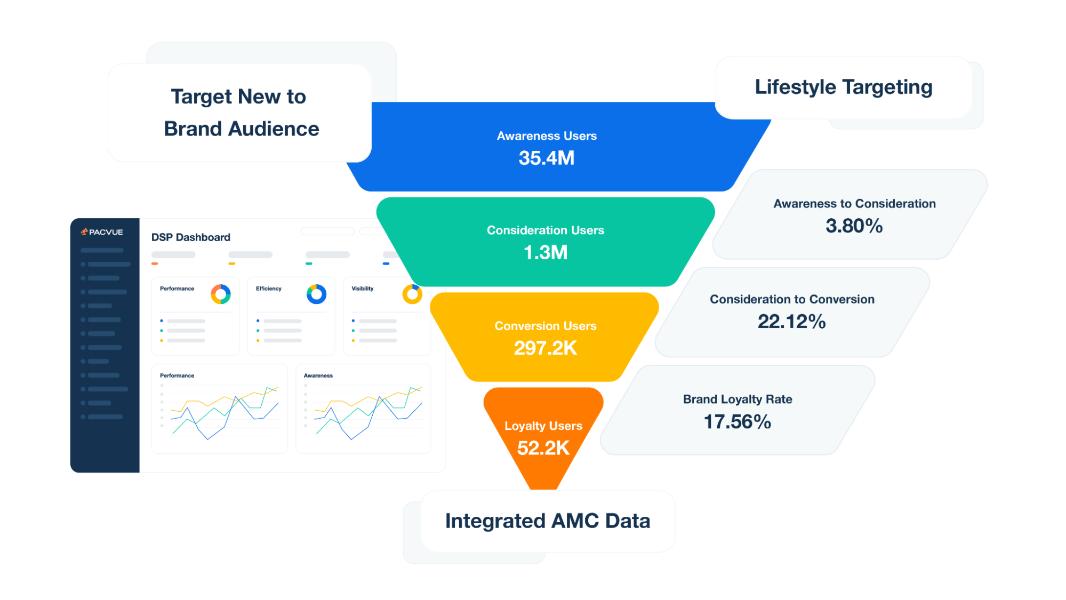
How Amazon Ads Agent Handles Dayparting, Bidding, and Targeting Automatically
Amazon agentic advertising brings campaign creation, bidding, targeting, and budget control into one system across Sponsored Products, Sponsored Brands, and DSP. Instead of managing each piece separately, Amazon Ads agent AI handles how campaigns are built and adjusted using real-time performance signals.
In Amazon Ads, pacing refers to how your budget is distributed throughout the day. Poor pacing means spending too much early in the day and going out of budget before peak conversion hours, or under-delivering and missing demand later.
Amazon AI advertising automation monitors this continuously and adjusts bids and budgets to keep delivery aligned with conversion trends.
Amazon Ads agent AMC feeds into how Amazon Ads agent audience targeting uses shopping, search, and browsing data to shift spend toward higher intent users as behavior changes.
This is how Amazon Ads agent audience targeting reduces the need for manual bulk bid updates or static targeting rules.
Internal testing showed a 26 percent reduction in bid optimization time, and teams that understand how to use Amazon Ads Agent see Amazon Ads agent CPM improvement coming from more precise targeting rather than reduced spend.
This is where Amazon Ads Agent vs manual campaign management becomes most visible. The manual process relied on hourly reports, fixed dayparting schedules, and manual bid adjustments across multiple campaigns.
Amazon agentic AI campaign optimization removes that lag by adjusting bids and budgets in real time.
If conversion intent spikes at a specific hour, bids and budgets are updated immediately instead of the next day.ng, the agent is already on it. You would not have known until Friday morning.
If you want a clearer view of where your bids and budgets are actually going, SellerApp’s Amazon PPC Analyzer gives you the visibility to act before the agent even needs to.
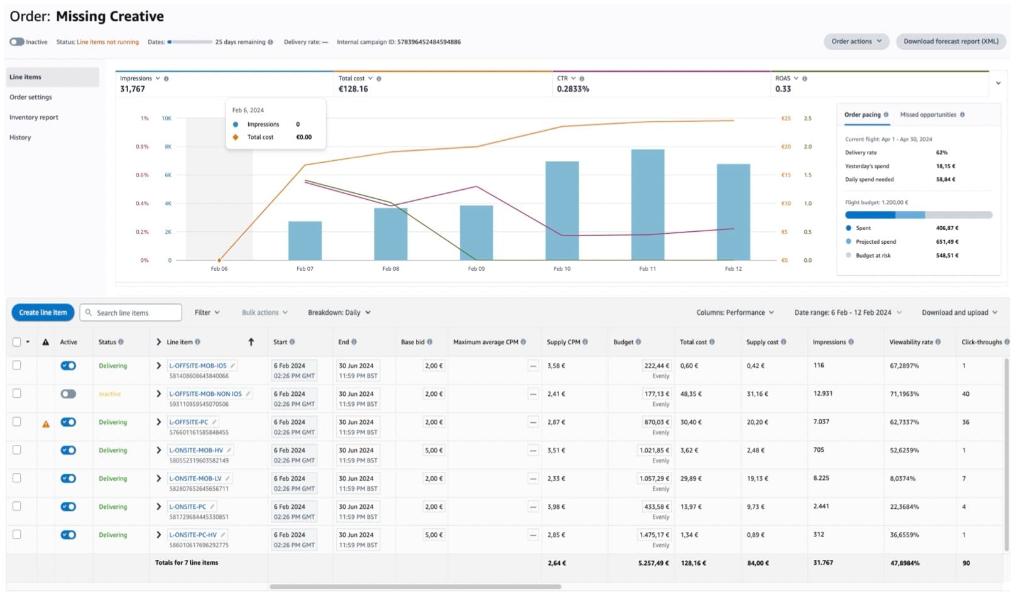
What Amazon Ads Agent Beta Is Really For?
Amazon Ads Agent Beta Access is currently limited to select advertisers, primarily DSP users and those enrolled in Amazon Marketing Cloud. It is being rolled out in phases, so not all advertisers can access it yet.
To qualify, advertisers typically need an active DSP setup, access to Amazon Ads agent for Amazon Marketing Cloud, and a structured campaign history so the system can generate and optimize campaigns effectively.
This is where Amazon Ads Agent Eligibility Requirements come into play. The tool relies on existing data and campaign signals to deliver results, so advertisers who have not structured their accounts properly will not get much out of it at the start.
The beta is focused on testing how Amazon Ads agent AI can handle campaign creation, targeting, bidding, and optimization in one system using Amazon AI advertising automation.
Advertisers in the program can build campaigns using natural language inputs and apply changes across
from a single workflow.
As access expands, knowing how to use Amazon Ads Agent will become a baseline expectation for advertisers already investing in full-funnel strategies.
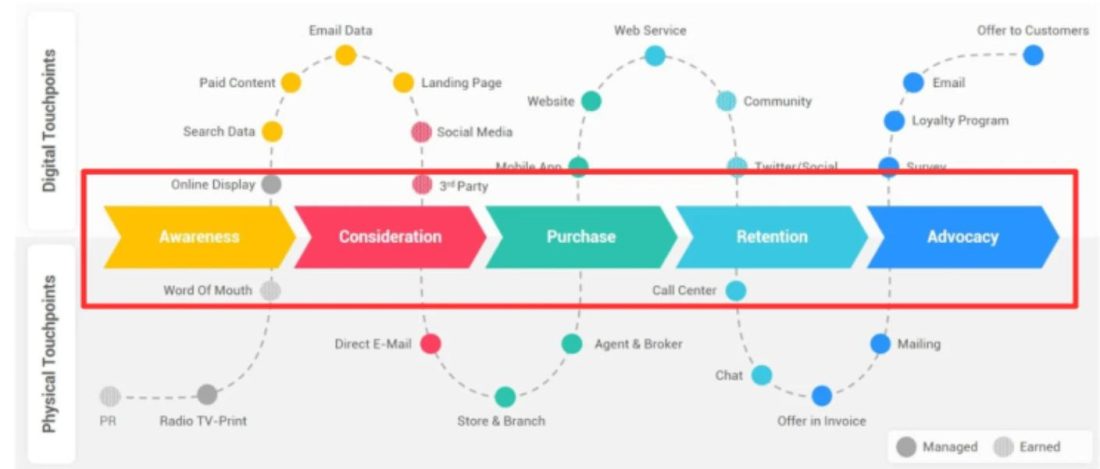
How Amazon Ads Agent for AMC Turns Audience Targeting from Reactive to Predictive
Amazon Ads Agent for Amazon Marketing Cloud turns audience building into something you can act on immediately. Instead of writing SQL queries, you can define a use case in plain language and deploy it directly into a campaign.
For example, you can ask for users who viewed a Sponsored Brands video, did not purchase, and returned within 7 days. Amazon Ads agent AMC will generate that audience and push it into DSP or Sponsored Ads for retargeting.
Amazon Ads agent audience targeting lets you build segments like repeat buyers, high AOV customers, or users who dropped off after viewing a product detail page, and deploy them directly to adjust bids, budgets, or creative strategy.
This is where Amazon Ads agent audience targeting becomes more practical. You are not just analyzing behavior in AMC, you are using it to actively shape campaigns. That includes excluding low-intent users, increasing bids for high-converting segments, and testing different creatives for different audience groups.
With the extended 25 month lookback window, Amazon Ads agent CPM improvement comes from better audience qualification and more accurate measurement of what is actually driving conversions. Instead of broad targeting, campaigns are built and optimized around users who are more likely to convert based on real purchase paths.
How to Use Amazon Ads Agent to Shape Campaigns and Targeting
Step 1: Define your objective
Set clear goals like target ACoS, ROAS, budget, and the products or categories you want to promote.
Step 2: Input your brief
Describe your campaign in plain language. Include audience type, price range, competitors, and performance targets.
If you are enrolled in Amazon Ads agent for Amazon Marketing Cloud, those audience signals will also inform how the campaign structure gets built.
Step 3: Review the setup
Check keywords, ASIN targets, audience segments, bids, budgets, and creatives across Sponsored Products, Sponsored Brands, and DSP. Adjust constraints like bid limits, budget caps, or frequency caps.
Step 4: Approve and launch
Finalize the campaign. Nothing goes live without your approval.
Step 5: Monitor and optimize
Amazon AI advertising automation continuously updates bids, budgets, and targeting based on real-time performance signals.
Step 6: Override and refine
You can step in anytime to pause segments, reallocate budget, or adjust goals. A clear brief helps Amazon agentic AI campaign optimization deliver better results.
Final Takeaway: What Amazon Agentic Advertising Looks Like at Full Scale
When Amazon Ads Agent Beta Access exits beta, teams that already know how to use Amazon Ads Agent will not be starting from zero.
It accelerates. The gap will not be between those who use it and those who do not. Everyone will use it. The real divide will be between teams with strong Amazon Ads agent AMC history and those without it.
With Amazon AI advertising automation, Amazon Ads agent CPM improvement goes to teams who come in with AMC data history, clean campaign structures, and tight briefs, not to teams who hand it a vague goal and call it a strategy.
Understanding what is Amazon Ads Agent and how it differs from Sponsored Products automation is not the advantage. Being ready before everyone else figures that out is.
That is exactly where SellerApp can help. Getting the most out of Amazon Ads Agent starts with having the right foundation, and building that foundation is what we do.
FAQs
Totally valid concern. Amazon Ads Agent still requires a solid foundation, a clean campaign structure, AMC enrollment, and a tight brief before it can do anything meaningful. That is exactly where we come in.
At SellerApp, we handle the setup, strategy, and ongoing optimization so you are not starting from scratch. You get the efficiency of Amazon Ads Agent without the learning curve eating into your week. Our Amazon PPC management services are built for exactly this.
Ask one question. Does it connect to Amazon’s Ads API or AMC natively, or is it just running rule-based logic with a new coat of paint? Real integration means access to Amazon’s first-party signals, live campaign data, and AMC audience logic.
We are an Amazon Verified Partner, which means our technology is built on actual Amazon infrastructure, not a workaround. If a tool cannot tell you exactly how it connects to Amazon’s ecosystem, that is your answer.
Right now, Amazon Ads Agent is primarily accessible to U.S. DSP users and AMC enrollees, which puts it out of reach for most smaller sellers running only Sponsored Products.
That said, the direction is clearly toward broader access.
If you are a smaller seller, reviewing Amazon Ads Agent Eligibility Requirements now and getting your campaign structure and listing quality in shape is the smartest move you can make before access opens up. Our Amazon listing services can help you build that foundation.
Not in any meaningful near-term timeframe. Amazon agentic AI campaign optimization automates execution, not strategy.
It cannot write a smart brief, read a market shift before the data catches it, or know when to override a recommendation that looks good on paper but does not fit the brand.
What it does do is raise the bar on what agencies need to bring to the table.
They are solving completely different problems, and this is really the clearest version of Amazon Ads Agent vs manual campaign management you will find.
Automated bidding in Sponsored Products adjusts bids within a campaign you already built. Amazon Ads Agent builds the campaign structure from your media plan, recommends audiences across DSP, generates AMC queries in plain English, and monitors pacing across all of it simultaneously. One is a single lever.
The other is the whole machine. If you are only using Sponsored Products automation, you are optimizing inside a box that Amazon Ads Agent was designed to replace.