

Amazon CTR is a core performance signal, but most teams treat it as a reporting metric instead of a growth lever.
You can rank for the right keywords, run ads, and price competitively, but if shoppers are not clicking, your listing never gets a real chance.
Most sellers focus on conversion rate and ignore the step before it. That is where the problem starts.
In this guide, you will learn what a good Amazon CTR looks like, how to benchmark it against category averages and top-performing competitors, and how to improve it across both ads and organic listings.
Quick Guide:
- What Is Amazon CTR? (Amazon Click-Through Rate Explained)
- Where to Find Amazon CTR Data
- Why Amazon CTR Matters for Sellers
- Why CTR Quality Matters (Not Just Volume)
- What Is a Good CTR on Amazon?
- Amazon CTR Benchmarks by Placement
- Advanced Strategies to Increase Amazon Click-Through Rate
- What Causes a Bad Amazon CTR?
- Final Takeaway: How to Increase Amazon Click-Through Rate Consistently
What Is Amazon CTR? (Amazon Click-Through Rate Explained)
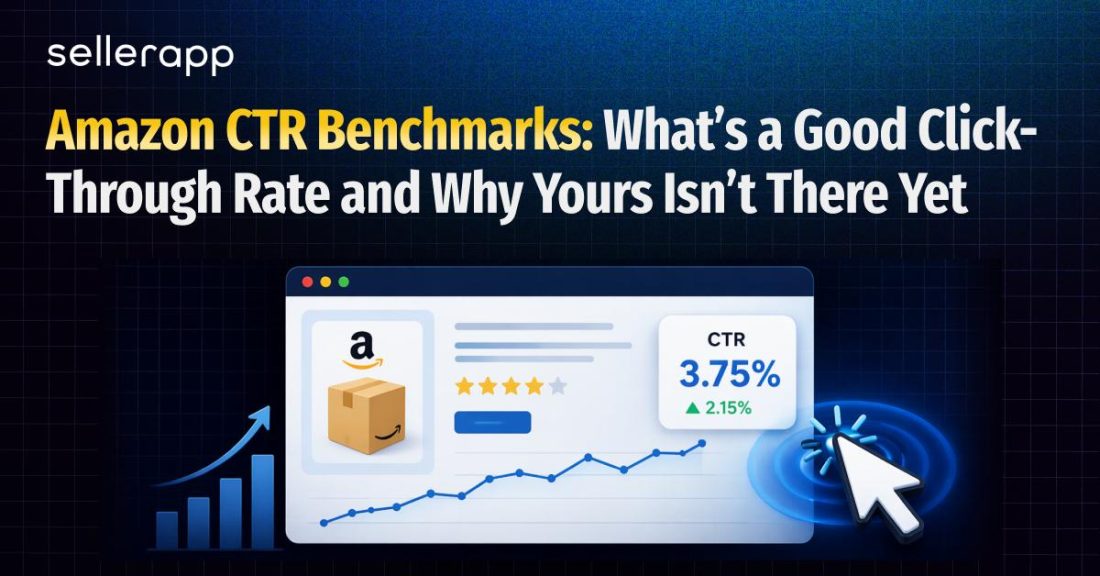
Amazon CTR measures the percentage of shoppers who click on your product after seeing it in search results or ads, reflecting how appealing your listing is compared to competitors.
Amazon CTR measures how often shoppers click on your product after seeing it in search results or ads.
It is calculated using a simple formula:
CTR = (Clicks ÷ Impressions) × 100
This metric is heavily influenced by what shoppers see immediately. Your listing’s first impression elements, main image, title, price, and reviews largely determine whether someone clicks. Unlike conversion rate, CTR is driven entirely by these initial touchpoints.
The infographic below breaks down how impressions turn into clicks and where CTR fits in the funnel.
Where to Find Amazon CTR Data
Amazon provides CTR data primarily through the advertising console. You can track Amazon PPC CTR at campaign, ad group, and keyword levels. This allows you to see which keywords are generating impressions but not clicks.
For organic performance, Amazon’s Brand Analytics offers insights into shopper behavior and click share. However, connecting these data points manually can be time-consuming.
Why Amazon CTR Matters for Sellers
Amazon CTR plays a central role in how your product performs across paid and organic channels.
A higher CTR means more traffic from the same number of impressions, which improves efficiency and reduces dependency on higher ad spend.
Impact on Amazon PPC CTR and Ad Performance
Amazon PPC CTR directly affects how your ads perform. More clicks signal higher relevance to Amazon.
This can lead to better ad placements and lower cost per click.
For example, two sellers bidding on the same keyword with similar bids can see very different results. The seller with a higher CTR signals stronger relevance and shopper engagement to Amazon’s algorithm.
Over time, this improves their ad rank, allowing them to win better placements such as top-of-search, often at a more efficient cost per click.
In contrast, a listing with lower CTR may need to bid more aggressively just to stay visible, increasing costs without guaranteeing better performance. Even with competitive bidding, weak engagement limits how often and where the ad is shown.
In practice, this means CTR doesn’t just influence clicks. It directly impacts visibility, placement quality, and overall campaign efficiency.
Impact on Organic Rankings
CTR does more than influence clicks. It feeds directly into how Amazon evaluates relevance, efficiency, and long-term ranking potential.
When your listing consistently earns clicks for a keyword, it signals strong shopper alignment. This improves your effective ad quality, helping you secure better placements at a lower cost-per-click over time.
That efficiency compounds.
Sustained clicks, combined with conversions, increase sales velocity. This strengthens your organic rank, driving incremental “free” sales without additional ad spend. As organic revenue grows, it begins to offset paid spend.
This is where CTR starts impacting TACoS.
Even if your ad spend remains flat, increasing organic sales expands total revenue. As a result, TACoS decreases because the denominator grows while spend stays controlled. In other words, better CTR doesn’t just improve traffic quality, it improves overall profitability.
The inverse is also true. A low CTR weakens your relevance signals, increases CPC pressure, and limits your ability to build organic momentum. You end up paying more for less efficient traffic, which keeps TACoS elevated.
Why CTR Quality Matters (Not Just Volume)
High CTR alone is not the goal. Qualified CTR is.
Driving clicks from the wrong audience increases spend without improving conversion, which directly hurts TACoS. The goal is to attract your ideal customer before they even land on your listing.
This requires intentional filtering:
Visual Pre-Qualification
Your main image and title should immediately signal positioning. If you are a premium product, the visual quality, branding, and first few words of your title should discourage price-sensitive shoppers from clicking.
Surgical Keyword Targeting
Shift budget toward high-intent, long-tail queries that reflect how your ideal customer searches. These keywords typically deliver stronger CTR and conversion with lower competition.
Negative Keyword Discipline
Continuously eliminate irrelevant queries that bring in unqualified traffic. Terms like “cheap,” “bulk,” or mismatched use cases dilute performance and waste spend.
What Is a Good CTR on Amazon?
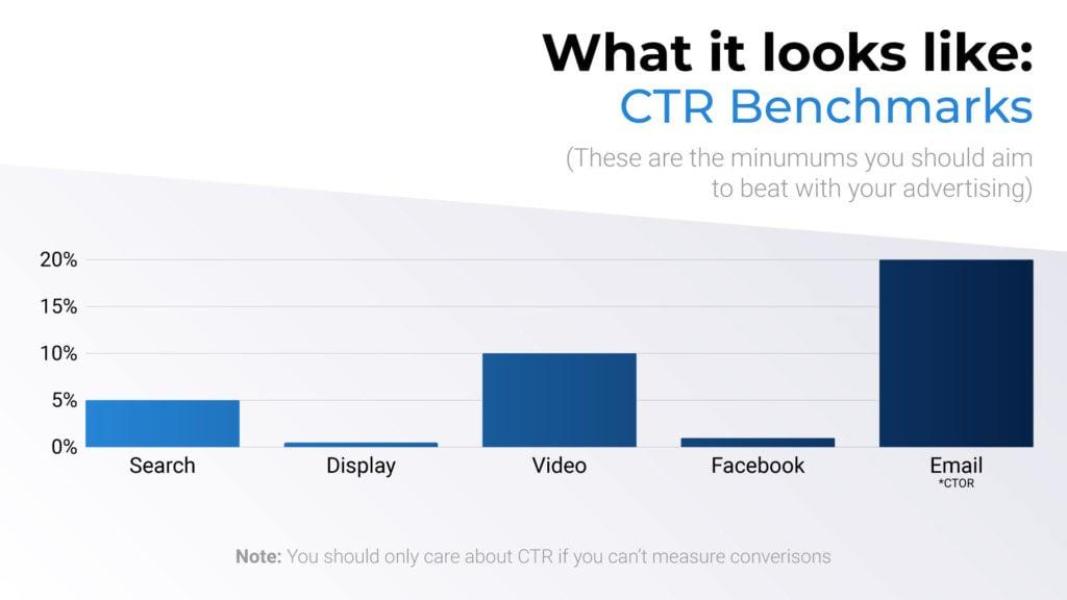
Understanding Amazon CTR benchmarks helps you evaluate whether your performance is strong or needs improvement. Without a benchmark, CTR numbers can be misleading.
Average Amazon CTR
The average Amazon CTR for ads typically ranges between 0.3 percent and 0.7 percent.
However, the average Amazon CTR varies by category and competition, so always compare your numbers against your specific ad type.
Amazon CTR Benchmark for PPC Campaigns
| CTR Range | Performance |
| Below 0.3% | Bad |
| 0.4% – 0.7% | Average |
| 0.8% – 1.5% | Good |
| Above 1.5% | Strong |
To see benchmarks specific to your category, Amazon provides a downloadable category benchmark report for Sponsored Brands directly in your advertising console.
Amazon CTR Benchmarks by Placement
CTR on Amazon varies significantly based on placement, ad type, and category. Looking at a single number in isolation can be misleading.
Sponsored Products CTR Benchmarks
For most Sponsored Products campaigns, CTR typically ranges between 0.3% and 0.7%.
Below 0.3% – underperforming
0.4% – 0.7% – average
0.8% – 1.5%, – strong
Above 1.5% – top-performing
Well-optimized campaigns, especially on high-intent keywords, can exceed 2% CTR, but this is not the norm across categories.
Organic CTR Benchmarks
Organic CTR is generally higher due to stronger shopper trust and better positioning.
Top-ranking listings with strong reviews and compelling visuals typically see CTR between 2% and 5%.
Category Variation Matters
CTR benchmarks fluctuate heavily by category. Visual categories like beauty, fashion, and home décor tend to achieve higher CTR due to quick, appearance-based decisions.
In contrast, research-heavy categories such as electronics or supplements often see lower CTR as shoppers compare specifications, pricing, and reviews before clicking.
Advanced Strategies to Increase Amazon Click-Through Rate
Most teams optimize CTR at a surface level. Real gains come from treating CTR as a testable, segment-driven performance lever, not just a listing metric.
Engineer CTR by Query Type
CTR is not consistent across keywords. Segment search terms by intent such as branded, competitor, generic, and long-tail, and evaluate CTR at that level. Branded terms should have high CTR. If they do not, you are losing owned demand. Competitor terms require clear differentiation in image, pricing, or positioning. Generic terms depend heavily on visual clarity and social proof. This helps you identify exactly where you are losing clicks.
Optimize for Placement-Level CTR
CTR varies significantly by placement. Strong overall CTR can hide weak performance at top of search, which is where most revenue comes from.
Break CTR down by placement and
- Push high CTR keywords into top of search campaigns
- Adjust bids based on placement performance
- Align creatives for high visibility placements
Small improvements here can drive outsized revenue impact.
Use CTR and Conversion Gap Analysis
High impressions with low CTR indicate a pre-click problem.
High CTR with low conversion indicates a mismatch in expectations.
Do not optimize CTR in isolation.
- If CTR is low, improve first impression elements.
- If CTR is high but conversion drops, your listing is attracting the wrong audience or overpromising.
This prevents wasted spend on unqualified traffic.
Win the SERP, Not Just the Placement
CTR is relative to what appears next to you.
Audit the search results for your core keywords:
- Are competitors using coupons, Prime badges, or ratings more effectively?
- Does your product visually blend into the grid?
- Is your pricing aligned with what shoppers expect at first glance?
Often, CTR improves by out-positioning competitors, not just improving your own listing.
Increase Creative Testing Velocity
Most teams test once and stop. High-performing accounts run continuous testing cycles.
- Test one variable at a time
- Run experiments in short cycles of two to four weeks
- Build incremental gains over time
CTR improves consistently when testing becomes systematic.
Align CTR With Audience Quality
More clicks are not always better. Qualified clicks matter more.
Refine your main image and title to attract your ideal customer and discourage low-intent traffic. A slightly lower CTR with stronger conversion will outperform inflated CTR from irrelevant clicks and help control TACoS.
What Causes a Bad Amazon CTR?
Bad Amazon CTR is rarely random. It usually comes from weaknesses in how your listing appears. Since shoppers make quick decisions, even small issues can significantly reduce clicks.
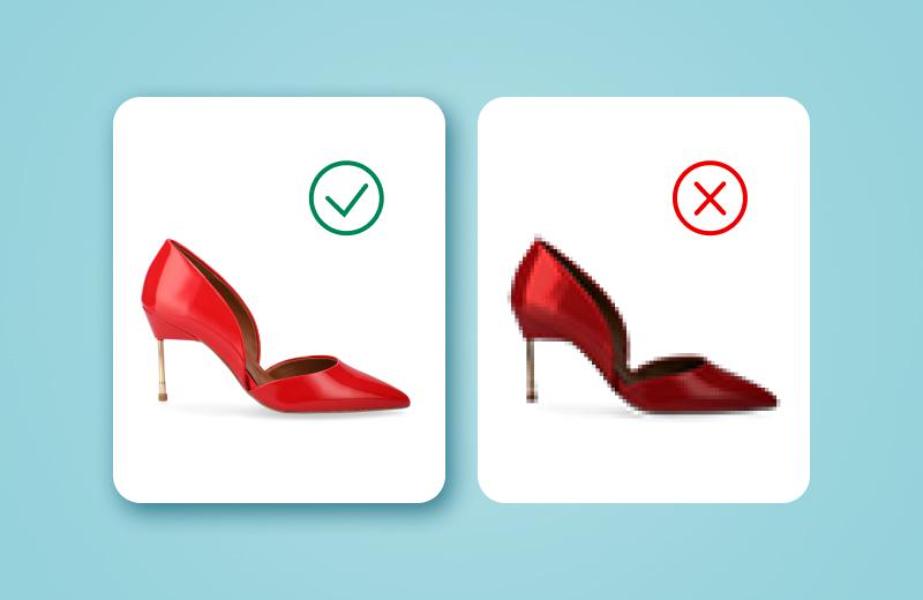
Weak Main Image
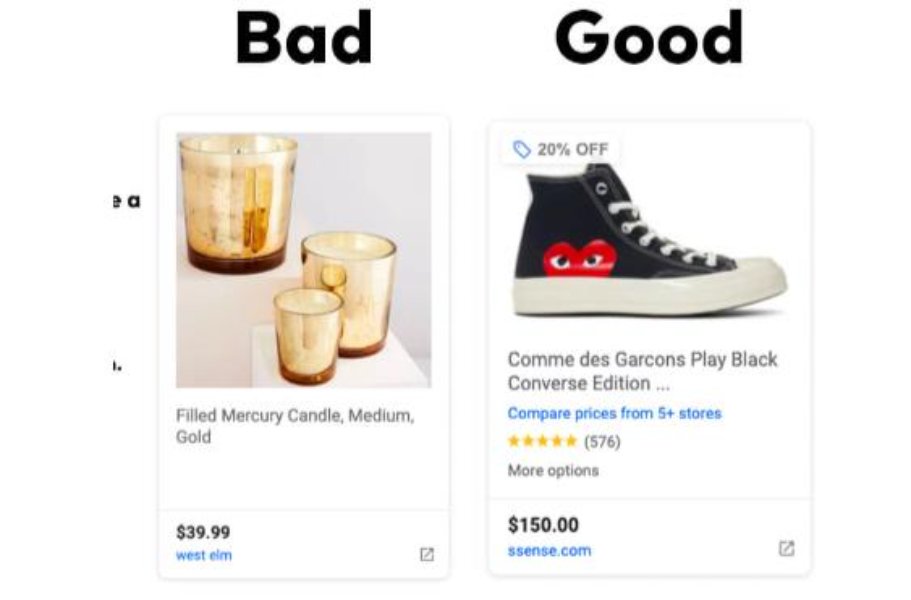
Your main image is the first and most important factor influencing CTR. If it fails to stand out, your listing will be ignored regardless of product quality.
For example, in a crowded category like supplements, many products use similar white backgrounds and bottle images. A product that slightly improves contrast, shows clearer labeling, or highlights a key benefit visually can outperform competitors even if everything else is similar.
Another common issue is poor mobile optimization. If your product details are not clearly visible on smaller screens, shoppers are less likely to click.
Poorly Optimized Titles
Your title needs to be both keyword-relevant and easy to scan. Overloaded or poorly structured titles reduce readability and CTR.
For instance, a title like “Wireless Bluetooth Earbuds Noise Cancelling Headphones Sports Earphones Long Battery” feels cluttered and hard to process. Compare that to a cleaner version like “Wireless Bluetooth Earbuds with Noise Cancellation and 24 Hour Battery.” The second version communicates value faster and improves click probability.
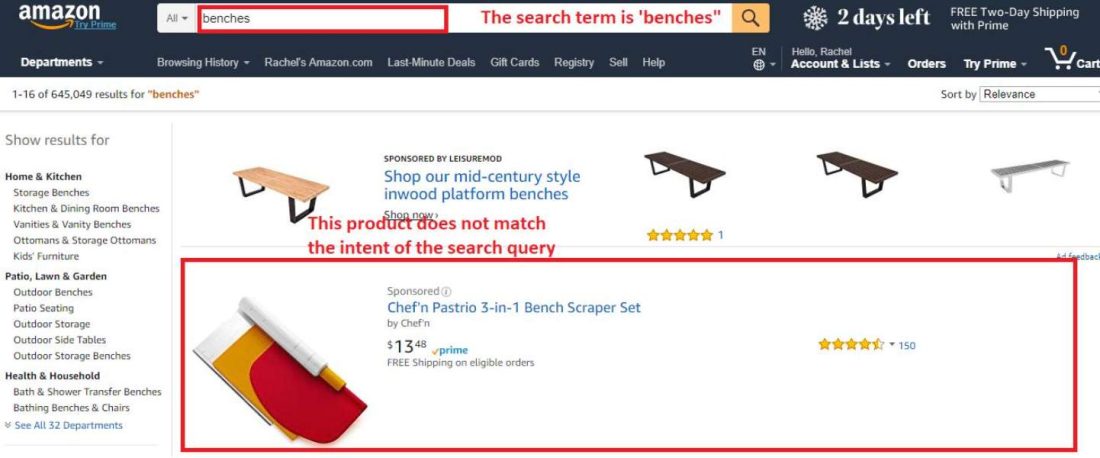
Irrelevant Targeting
One of the biggest causes of low Amazon CTR is appearing for the wrong keywords. If your product shows up for searches that do not match its core use case, impressions increase but clicks do not.
For example, if a premium leather wallet appears for a broad keyword like “cheap wallets,” shoppers looking for budget options will skip it immediately. This mismatch leads to wasted impressions and poor CTR.
Low Social Proof
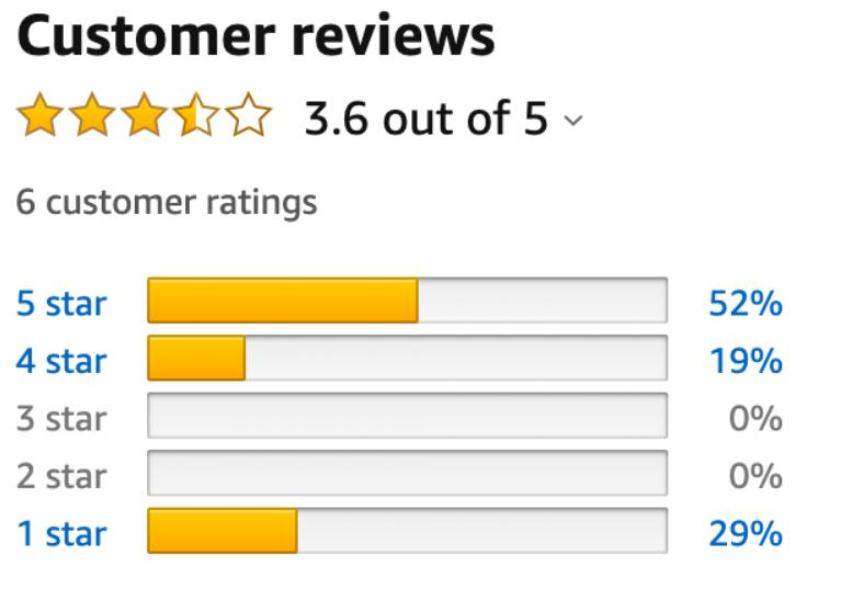
Reviews and ratings play a major role in click behavior. Shoppers often compare products quickly based on ratings before deciding where to click.
For example, if your product has a 3.8 rating and appears next to competitors with 4.5 ratings and thousands of reviews, most shoppers will skip your listing without hesitation.
Even good products lose clicks due to weak social proof.
Improving ratings and increasing review count can directly boost your Amazon click-through rate.
Pricing Issues
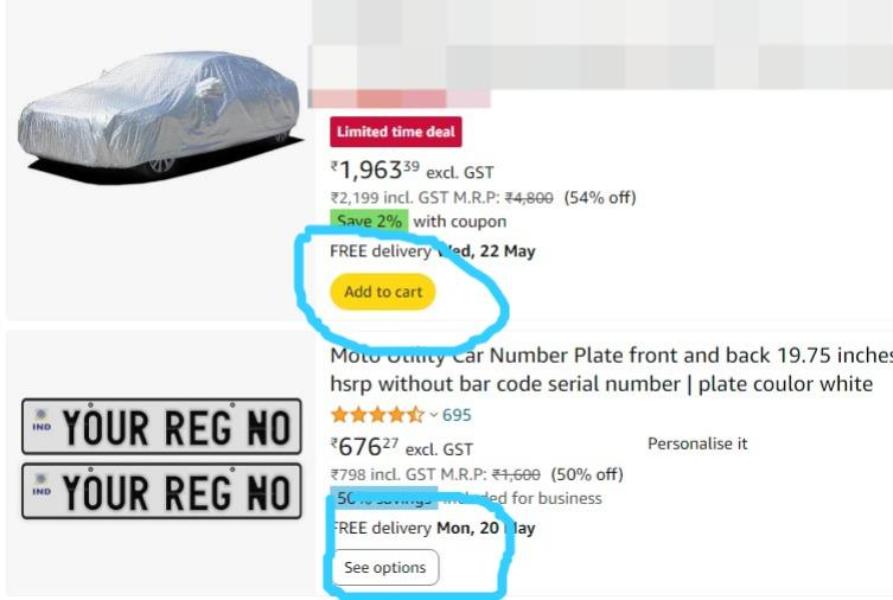
Pricing is another immediate filter for shoppers. If your product looks overpriced compared to competitors, many users will not even click to learn more.
For example, if similar products are priced at 999 and yours is listed at 1499 without any visible differentiation or offer, shoppers will likely ignore it.
Adding a coupon or discount badge can instantly improve CTR.
Perceived value matters more than absolute price. Shoppers need a clear reason to click, and pricing plays a big role in that decision.
Final Takeaway: How to Increase Amazon Click-Through Rate Consistently
Improving Amazon CTR is not about one-time fixes. It is about building a system where every element works together to earn the click. Start by benchmarking your numbers against category averages, then identify your weakest point and fix that first.
The sellers who consistently win on Amazon treat CTR as an ongoing process, not a one-time audit. Small, data-driven improvements compound over time. A better image this week, tighter keyword targeting next week. It adds up.
An Amazon PPC Agency like SellerApp makes this easier by surfacing exactly where your CTR is leaking, whether it is an underperforming keyword, a weak creative, or a misaligned campaign. The goal is simple, get more clicks from the same impressions, more efficiently, every month.
FAQs
From what most sellers discuss, a good Amazon CTR depends on context, but generally anything above 0.7 percent is decent and above 1 percent is strong. The average Amazon CTR usually sits around 0.3 to 0.7 percent for ads.
Your Amazon CTR benchmark should always be based on your category, because Amazon CTR by category varies a lot.
What is a good ctr on Amazon depends on your category and ad type.
A bad Amazon CTR is typically anything below 0.3 percent, especially for amazon ppc ctr campaigns. Most sellers often mention that bad Amazon CTR usually comes from poor images, weak titles, or irrelevant targeting.
If your impressions are high but clicks are low, that is a clear sign that something is off.
Fixing Amazon click-through rate usually starts with improving your main image and refining keyword targeting.
If you want to know how to improve Amazon CTR fast, most sellers suggest starting with your main image and title. Small changes here can instantly increase Amazon click-through rate.
Adding coupons, improving reviews, and refining targeting also help. For amazon sponsored products ctr, focusing on high-intent keywords makes a big difference.
Amazon ctr vs conversion rate remains a common confusion among sellers. CTR measures how many people click, while conversion rate measures how many people buy. You can have high Amazon CTR but low sales if your listing does not convert.
Similarly, strong conversion with low CTR means you are not getting enough traffic. Most sellers agree that Amazon CTR vs conversion rate together determine whether your funnel actually scales.
Yes, Amazon organic ctr is usually higher than amazon ppc ctr because shoppers trust organic listings more. Many sellers report organic CTR between 2 to 5 percent for top positions, while paid CTR is lower.
The Amazon CTR formula remains the same, but performance differs based on placement. Understanding both helps you optimize better and improve the overall Amazon click-through rate across campaigns.