


The NAICS code for Amazon seller is often overlooked early on, but this classification code which is commonly used by North American businesses, is incredibly important as it shapes how your business is classified for taxes, compliance, and financial processes.
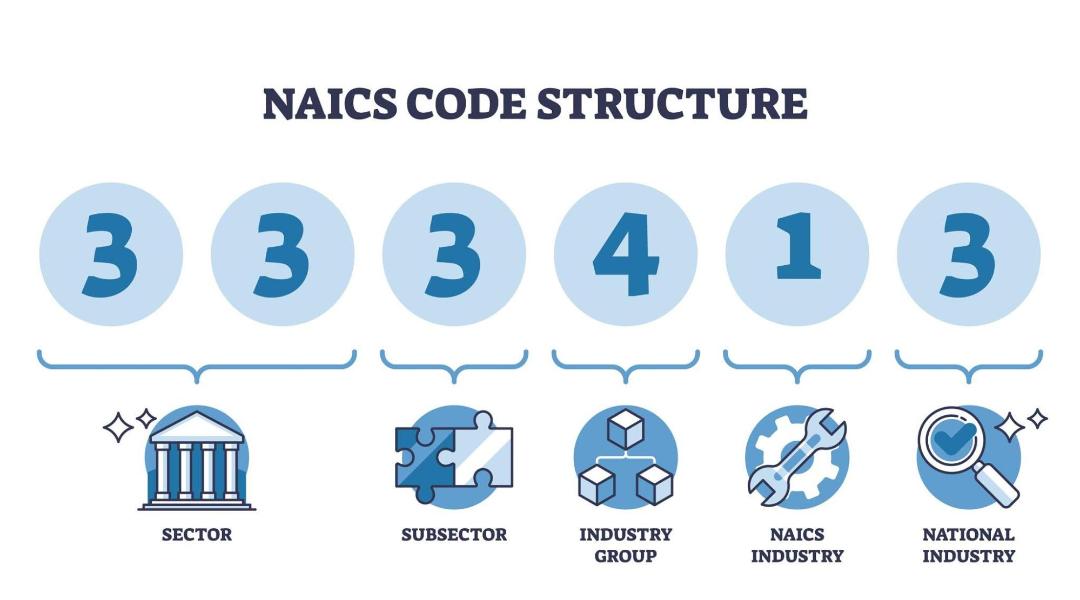
NAICS codes (North American Industry Classification System) are 6-digit, hierarchical codes (pronounced “nakes”) used by the US, Canada, and Mexico to classify businesses by their primary economic activity.
This code becomes relevant the moment you register your business, apply for an EIN, or work with banks and payment providers. They are used for statistical analysis, government contracts, tax benefits, and market research. Synonyms include industry codes, business classification codes, and economic sector codes.
The confusion is not whether you need it, but what NAICS code for selling on Amazon actually fits your business model. Many sellers choose based on what they sell instead of how they generate revenue, which leads to issues later.
For most Amazon sellers, the right NAICS code is 454110, Electronic Shopping and Mail-Order Houses. This covers private label, dropshipping, retail arbitrage, and most models where revenue comes from online sales.
This article breaks down why 454110 fits most sellers, when a different code applies, and how to choose a classification that holds up as your business grows.
Quick Guide:
- What Is a NAICS Code and Why Does It Matter for Amazon Sellers
- Why NAICS Codes Impact Taxes, Compliance, and Business Credibility
- How to Find the Right NAICS Code for Your Amazon Business
- Who Needs a NAICS Code When Selling on Amazon
- When Amazon Asks for a NAICS Code
- Where NAICS Codes Actually Matter Beyond Amazon
- Where to Add NAICS Code in Business Registration
- How to Add a NAICS Code to Your Amazon Seller Business
- How to Update Your NAICS Code for an Existing Seller Account
- Best NAICS Code for Amazon Sellers Based on Business Model
- NAICS Code for Amazon Sellers in the USA
- Arizona NAICS Code for Amazon Sellers
- When to Use Multiple NAICS Codes
- Final Takeaway: Why the Right NAICS Code Matters for Amazon Sellers
- FAQs
What Is a NAICS Code and Why Does It Matter for Amazon Sellers
If you are an Amazon seller in USA, your NAICS classification affects how your business is taxed, regulated, and evaluated by financial institutions. Most sellers ignore this early, but the moment you register your business, apply for an EIN, or deal with banks, your NAICS code for selling on Amazon becomes part of your business identity.
A NAICS code is a six digit classification system used to define what your business actually does. For Amazon sellers, this usually falls under the NAICS code for ecommerce business, which is part of nonstore retail. The key thing to understand is that the NAICS code for Amazon seller is based on how you generate revenue, not what product you sell.
For example, imagine two sellers. One sells handmade candles through Amazon. Another sells branded electronics through Amazon. Even though the products are completely different, both fall under the same NAICS code for selling on Amazon because their revenue comes from online retail.
A common mistake is choosing a manufacturing code just because you “own” the product. But unless your primary revenue comes from manufacturing and distributing to retailers, your correct NAICS code for Amazon seller USA is ecommerce retail.
Getting this right upfront saves you from fixing structural issues later.
Why NAICS Codes Impact Taxes, Compliance, and Business Credibility
Your NAICS code for Amazon seller USA affects how government agencies, lenders, payment processors, and tax authorities classify your business. This classification influences everything from tax reporting and licensing requirements to funding eligibility and compliance reviews.
For example, lenders and financial institutions often compare your revenue patterns against industry benchmarks tied to your NAICS classification. If an Amazon seller uses a wholesale code while operating as a direct-to-consumer ecommerce business, the numbers may appear inconsistent during funding reviews.
NAICS codes also impact compliance and tax administration. Certain filings, deductions, reporting structures, and state level requirements are connected to your industry classification. Choosing the best NAICS code for Amazon seller helps ensure your records align with how your business actually operates.
Beyond compliance, your classification affects business credibility. A consistent and accurate NAICS code for an ecommerce business reduces confusion across registrations, banking, and verification processes, making your business easier to evaluate and trust.
NAICS Codes for Amazon Sellers at a Glance
Most Amazon sellers fall under one of three NAICS codes, depending on how their business actually operates. Here is what each one covers and when it applies.
| NAICS Code | Title | When It Applies | Key Criteria | Should Amazon Sellers Use It |
| 454110 | Electronic Shopping and Mail-Order Houses | Selling online to customers | Revenue comes from ecommerce sales, including private label, dropshipping, or retail arbitrage | Yes, best NAICS code for Amazon seller |
| 424990 | Nondurable Goods Wholesalers | Selling in bulk to businesses | Revenue comes from B2B wholesale transactions at volume | Only if you are B2B |
| 493110 | Warehousing and Storage | Running storage or logistics operations | Operating warehouses or third-party logistics services | Not for typical Amazon sellers |
Which NAICS code is yours? Start here.
Do you sell directly to consumers online?
Yes → 454110. You are done.
Do you sell in bulk to other businesses as your primary revenue?
Yes → 424990. You are done.
Do you operate warehouses or provide fulfillment services to other sellers as your primary revenue?
Yes → 493110. You are done.
Still unsure? Your primary revenue source decides. Whatever activity generates the majority of your income is your code.
How to Find the Right NAICS Code for Your Amazon Business
Finding the right NAICS code for your Amazon seller account comes down to one question: how does your business actually make money?
Step-by-Step Process to Identify Your Code
Start by identifying your primary revenue source, then match it with official NAICS descriptions. This ensures your NAICS code for Amazon seller accurately reflects your operations.
Step 1: Identify your primary revenue source
Look at where most of your money comes from. If the majority of your sales happen on Amazon, your business is primarily ecommerce, regardless of how you source products.
Step 2: Define your core business activity
Break down how you operate. Are you selling directly to consumers, buying in bulk and reselling, or dropshipping. This helps narrow down the right NAICS code for ecommerce business.
Step 3: Match with official NAICS descriptions
Use lookup tools and search terms like online retail or electronic shopping. Compare similar codes and pick the one that best fits your main activity.
Step 4: Choose based on majority revenue
Select the code that represents most of your income, not side activities. This keeps your NAICS code for Amazon seller USA clear and consistent.
Tools and Resources to Look Up NAICS Codes
Use official tools like the U.S. Census NAICS database, NAICS directories, and GSA resources. These platforms let you search by keywords and compare industry definitions to find the most accurate match.
For example, searching terms like “online retail” helps you quickly identify the right NAICS code for ecommerce business and understand what each code includes.
This avoids guesswork and ensures your NAICS code for Amazon seller USA accurately reflects how your business operates.
Mistakes Amazon Sellers Make When Choosing a Code
The most common mistake is choosing based on product instead of business model. A seller who sells supplements picks a health industry code. A seller who sells electronics picks a consumer goods code.
Both are wrong. The product is irrelevant. The sales channel and revenue structure are what matter.
Treating the wholesale label as a classification. A lot of Amazon sellers describe themselves as wholesalers because they buy in bulk. That is a sourcing strategy, not a business model.
If you are selling individual units to consumers on Amazon, you are an ecommerce retailer regardless of how you buy your inventory. Picking a code once and never revisiting it.
If you started as a dropshipper and have since moved into private label with your own inventory and branding, your operational profile has changed.
The code may still be technically correct, but it is worth confirming it still reflects your primary revenue source.
Who Needs a NAICS Code When Selling on Amazon
Any Amazon seller operating as a registered business will eventually need a NAICS code for Amazon seller account. This includes private label sellers, resellers, wholesale sellers, dropshippers, Amazon Handmade sellers, and most third party sellers using Amazon as a primary sales channel.
The requirement usually comes into play when you form an LLC, apply for an EIN, open a business bank account, register for state taxes, or work with payment processors. At that stage, your NAICS code for Amazon seller in USA becomes part of your official business profile.
Individual sellers operating casually may not need it immediately. However, once the business becomes structured or starts generating consistent revenue, the NAICS code for selling on Amazon becomes difficult to avoid.
Even sellers who source products differently often fall under the same ecommerce classification. For example, a reseller, a private label brand, and an Amazon Handmade seller can all use the same NAICS code for ecommerce business if their revenue primarily comes from online retail sales.
When Amazon Asks for a NAICS Code
Amazon does not always require a NAICS code during initial signup. However, during tax verification, business registration updates, or compliance checks, you may be asked to provide business activity details.
For example, if you upgrade to a professional seller account under a registered business, Amazon may request supporting documentation. If your records include a clear NAICS code for Amazon seller USA, the verification process becomes faster and more consistent.
This becomes even more relevant when your account is reviewed for compliance or when you update tax information. Having an accurate NAICS code for Amazon seller helps ensure that your business details align across all submitted documents.
While it may not seem critical at the start, keeping your classification ready reduces delays and avoids back and forth during account checks.
Where NAICS Codes Actually Matter Beyond Amazon
The real importance of the NAICS code for Amazon seller shows up outside Amazon. It is used in IRS filings, state registrations, loan applications, and even when working with payment processors.
For example, a seller applies for a business credit line without a defined NAICS code for ecommerce business. The lender cannot clearly categorize the business and requests additional documentation, delaying approval.
Another example is state licensing. Some states use your NAICS classification to determine licensing requirements. So while Amazon may not strictly require it, your NAICS code for selling on Amazon becomes essential as soon as your business interacts with external systems.
Where to Add NAICS Code in Business Registration
You do not register a NAICS code separately. Instead, your NAICS code for Amazon seller USA is added during key business registration and tax setup processes.
LLC or business formation
When registering your LLC or corporation, you will be asked to describe your business activity. This is where you choose the correct NAICS code for selling on Amazon.
EIN application with the IRS
During EIN registration, the IRS requires your primary business activity and industry classification. Your NAICS code for Amazon seller becomes part of your federal business records.
Business bank account setup
Banks may request your business classification to verify operations and assess account eligibility for ecommerce businesses.
State tax and licensing registrations
Many states use your NAICS code for ecommerce business to categorize your business for sales tax, licensing, and compliance purposes.
Choosing a vague or unrelated classification just to complete the process quickly can create inconsistencies later in tax filings, registrations, and financial reviews.
How to Add a NAICS Code to Your Amazon Seller Business
Adding a NAICS code for Amazon seller USA usually happens during business registration and tax setup. It is not something added directly inside Seller Central.
Step 1: Choose the right NAICS code
Identify how your business makes money. Most sellers use 454110 because their revenue comes from ecommerce retail.
Step 2: Add it during business registration
When forming an LLC or corporation, you will be asked to describe your business activity. This is where you enter your NAICS code for selling on Amazon.
Step 3: Include it during EIN registration
While applying for an EIN with the IRS, you will provide your business activity and industry classification. Your NAICS code for Amazon seller becomes part of your federal records.
Step 4: Use the same code across registrations
Keep the same classification across banking, tax registrations, licensing, and compliance documents to avoid inconsistencies later.
How to Update Your NAICS Code for an Existing Seller Account
Businesses evolve, and your classification should evolve with it. If your revenue model changes significantly, your NAICS code for Amazon seller account should be updated to reflect your current operations.
Step 1: Review your current business activity
Check whether your primary revenue source has changed. For example, a seller moving from dropshipping to wholesale distribution may need a different classification.
Step 2: Update business registration records
You can update your NAICS code for Amazon seller USA through your state business filing portal or during annual report filings, depending on the state.
Step 3: Update IRS and tax records if needed
If your classification changes substantially, update your business activity details during tax filings or when communicating with the IRS.
Step 4: Keep all platforms consistent
Make sure your updated NAICS code for ecommerce business matches your EIN records, banking information, tax registrations, and licensing documents.
Keeping your classification aligned with your actual operations reduces reporting inconsistencies and compliance issues as your business grows.
Best NAICS Code for Amazon Sellers Based on Business Model
Understanding your business model is key to choosing the best NAICS code for Amazon seller. Different selling methods may look similar on the surface but are classified differently based on how revenue flows.
The NAICS code for Amazon seller is not based on what you sell, but how you sell it. Whether you run private label, wholesale, or dropshipping, your classification depends on how transactions happen and who you sell to.
For most sellers, this still points to a NAICS code for ecommerce business, since the primary activity is online retail.
Getting this distinction right ensures your NAICS code for Amazon seller USA accurately reflects your operations and avoids misclassification.
NAICS Code for Private Label Sellers
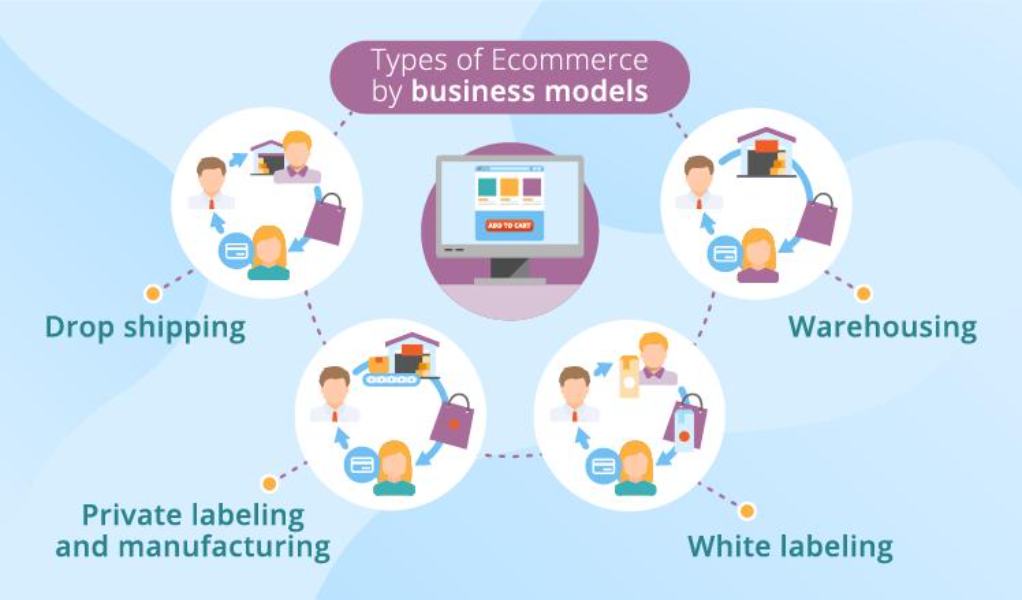
Private label sellers use 454110 because the core activity is selling directly to consumers online. Designing and branding your own product does not change that classification. The revenue still comes from ecommerce retail, not manufacturing.
The edge case worth knowing is this. If you manufacture products and sell the majority of your output to distributors or retailers rather than end consumers, a manufacturing code like 311 or 312 may be more accurate.
But if Amazon is your primary sales channel and consumers are your buyers, 454110 is correct regardless of how involved you are in production.
NAICS Code for Wholesale Amazon Sellers
Wholesale sellers get this wrong more than any other group. Buying in bulk from a supplier does not make your business wholesale under NAICS. What matters is who you sell to and how.
If you purchase inventory in bulk and sell individual units to consumers on Amazon, you are still an ecommerce retailer. 454110 applies. The wholesale code 424990 only fits if your primary revenue comes from selling large quantities to other businesses, not to end consumers.
A lot of Amazon sellers who call themselves wholesalers are actually retail arbitrage sellers with better supplier relationships. The classification follows the transaction, not the sourcing method.
NAICS Code for Dropshipping Businesses
Dropshipping is straightforward from a NAICS perspective. You take orders online, a supplier ships the product, and your revenue comes from that online sale. That is ecommerce retail, and 454110 is your code.
The mistake dropshippers make is gravitating toward logistics or fulfillment codes because shipping feels central to the model. It is not. Your core activity is selling, not moving inventory. The supplier handles fulfillment. You handle the storefront. 454110 covers that entirely.
The only scenario where this gets complicated is if you later build out your own fulfillment infrastructure and start providing logistics services to other sellers as a primary revenue stream. At that point 493110 becomes relevant. But for a standard dropshipping operation on Amazon, you do not need to overthink it.
NAICS Code for Retail Arbitrage Sellers
Retail arbitrage gets confusing because sourcing happens offline, which makes some sellers feel like their business is partly physical retail. It is not. NAICS classification follows where your revenue comes from, not where you source your products.
You walk into Target, buy clearance items, and list them on Amazon. Your customer buys online. That transaction is ecommerce. 454110 is the correct code.
A physical retail classification like 441 or 445 would apply only if you were operating an actual storefront and selling to walk-in customers. Sourcing from physical stores does not make you a physical retailer.
NAICS Code for Amazon Sellers in the USA
It is also important to understand how the NAICS code for Amazon seller USA applies across different regions. While the system is standardized, its application can vary slightly.
At a federal level, most Amazon sellers fall under ecommerce or nonstore retail classifications based on how they sell. However, different states may interpret or use that classification for their own tax and compliance frameworks.
This means your NAICS code for ecommerce business stays the same, but how it is applied can differ depending on where your business is registered or operates.
Arizona NAICS Code for Amazon Sellers
NAICS codes are federally standardized, so 454110 does not change because you are in Arizona. What changes is how Arizona uses that classification on its end.
Arizona runs its sales tax system through the Transaction Privilege Tax, or TPT. When you register your business in Arizona, your NAICS code helps determine which TPT categories and rates apply to your activity.
For ecommerce sellers under 454110, this typically means you fall under the retail classification in the TPT system, which affects how you report and remit sales tax on Arizona transactions.
The practical takeaway is that you should confirm your TPT registration aligns with your NAICS classification when setting up in Arizona.
A mismatch between the two can create reporting inconsistencies that are annoying to untangle later.
California NAICS Code for Amazon Sellers
California uses your NAICS classification within its state business registration and tax reporting systems.
Ecommerce sellers operating under 454110 fall under the California Department of Tax and Fee Administration’s framework for online retailers, which determines how you register for a seller’s permit and report sales tax on California transactions.
If you have economic nexus in California, your NAICS code will be part of your CDTFA registration record. Make sure it matches your actual operations.
Texas NAICS Code for Amazon Sellers
Texas does not have a personal income tax but does have a franchise tax, and your NAICS code factors into how your business activity is categorized for that filing.
Ecommerce sellers under 454110 report under retail trade classifications in the Texas Comptroller system. If you are registered for Texas sales tax collection, your NAICS classification should align with your sales tax permit registration to avoid inconsistencies during audits.
How States Use NAICS Codes for Ecommerce
States use NAICS codes to categorize businesses for taxes, licensing, and compliance. For ecommerce sellers, this determines how your business is registered and reported locally.
If your classification does not match your activity, it can create confusion during filings or audits.
Choosing the right NAICS code for ecommerce business keeps your records consistent at both the state and federal levels.
When to Use Multiple NAICS Codes
Some sellers run more than one type of operation. If you sell on Amazon but also run a wholesale operation or a separate DTC site, you can list additional NAICS codes to reflect those activities. The rule is simple. Your primary code goes to your biggest revenue source. Secondary codes cover the rest.
Do not over-assign. Listing four or five codes for a business that is 90% Amazon retail makes your records look messy and can raise questions during audits or loan reviews.
Use multiple codes only when the revenue streams are genuinely distinct and each one represents a meaningful share of your income.
How to Choose a NAICS Code That Holds Up as Your Business Grows
Choose a code that aligns with your long term business model, not just your current setup. This reduces the need for frequent updates and ensures your NAICS code for Amazon seller USA remains accurate as you scale.
Think beyond where you are today. If you plan to move from arbitrage to private label, or expand into multiple product lines, your classification should still hold up as your operations grow. Constantly switching your NAICS code can create inconsistencies across tax filings, banking records, and compliance documents.
A stable, well-chosen NAICS code for ecommerce business gives your business continuity. It keeps your reporting clean, your documentation aligned, and your growth path smoother as you add complexity over time.
Final Takeaway: Why the Right NAICS Code Matters for Amazon Sellers
The NAICS code for Amazon seller is not just a classification it is a structural decision that shapes how your business is taxed, evaluated, and understood across systems. Choosing the right code keeps your operations aligned with your actual revenue model and helps you avoid unnecessary friction as you grow.
It also influences how banks, lenders, and regulators see your business. A clear and accurate NAICS code for Amazon seller in the USA reduces confusion, speeds up approvals, and keeps your records consistent across filings.
Here is the short version. You sell on Amazon, your revenue comes from online retail, and 454110 is almost certainly your code. Pick it, use it consistently across your EIN application, state registration, and business banking, and revisit it only if your revenue model genuinely changes.
Most sellers never need to touch it again. The ones who run into problems are usually the ones who picked something that sounded close enough and never checked.
Platforms like SellerApp give you better visibility into how your Amazon business actually operates, which makes choosing and maintaining the right classification much more straightforward.
FAQs
The best NAICS code for Amazon seller depends on how your business generates revenue. Most sellers fall under ecommerce retail, since sales happen online. If you are selling directly to consumers through Amazon, your classification typically aligns with a NAICS code for ecommerce business. The key is to choose the best NAICS code for Amazon seller based on your primary activity, not the product type, so your records stay accurate as your business grows.
If you are wondering what NAICS code should I use for Amazon seller, the answer depends on your business model. Most sellers use ecommerce related classifications because transactions happen online.
Whether you run private label, wholesale, or dropshipping, your NAICS code for Amazon seller in USA should reflect your main revenue source. Choosing the right code ensures your business is aligned with tax, compliance, and reporting requirements from the start.
To understand how to find NAICS code for Amazon seller account, start by identifying how your business makes money. Then use official lookup tools to match your activity with the closest classification.
Searching terms like online retail will help you find a NAICS code for ecommerce business that fits. This approach ensures your NAICS code for Amazon seller is accurate and consistent across registrations, filings, and financial documentation.
If you are looking for how to register NAICS code for Amazon seller account, it is not a separate process. You choose your NAICS code when registering your business, applying for an EIN, or completing state filings.
Your NAICS code for Amazon seller in USA becomes part of your official business records. Selecting the right classification at this stage ensures your documentation stays aligned with your actual operations.
The Arizona NAICS code for Amazon seller is not different from federal classifications. NAICS codes are standardized across the USA, so your code remains the same regardless of location.
However, Arizona may use your NAICS code for an Amazon seller in USA to determine tax categories, licensing, and reporting requirements.
This means the focus should be on choosing the correct NAICS code for ecommerce business, since states apply it based on your activity.