


The Amazon Haul Program is Amazon’s way to highlight products in themed collections across its app and website. You must be thinking, how does it help? Well, these collections help buyers discover affordable items through short videos, feeds, and influencer storefronts.
Unlike brand stores, it’s not about telling your full brand story, it’s about getting your products into lifestyle-focused hauls that encourage impulse purchases and larger orders.
Sellers who understand how to work with hauls are already seeing higher engagement and better conversions, while those who ignore it risk being left behind as this trend grows.
Quick Guide:
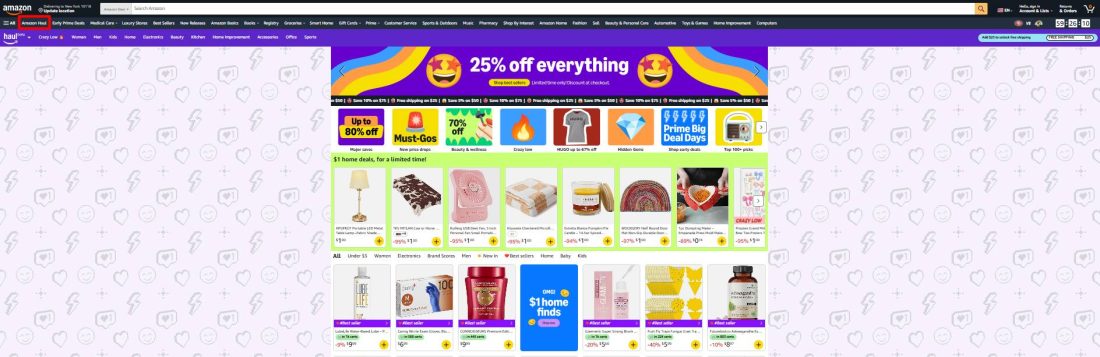
A haul originally refers to videos where people share all the items they’ve recently bought; think TikTok or YouTube clips where someone shows off their shopping bag and talks about each product.
These videos became popular because they feel personal, fun, and inspiring, like getting shopping recommendations from a friend.
Amazon took that idea and built it into the Amazon Haul Program, a way for shoppers to browse collections of products grouped by themes. Instead of buying one item at a time, shoppers can explore bundles such as “home office must-haves,” “skincare essentials under $50,” or “tech for students.”
Buyers discover these haul products in Amazon’s app and website through curated feeds, influencer storefronts, and affiliate-driven lists. There’s no public sign-up form in Amazon Seller Central you don’t apply in the traditional sense. Inclusion is invite-only, driven by Amazon’s algorithm and internal curation team.
Once your product is selected, it can appear automatically in hauls alongside complementary items. Sellers don’t control the bundling themselves; the algorithm decides which products fit together based on price, demand, and retail readiness.
Being an FBA seller isn’t strictly mandatory, but fast, reliable fulfillment is a key factor for selection. Amazon pulls haul items from your existing FBA inventory, so you don’t need to send separate shipments.
These collections are curated either by influencers, brands, or Amazon’s algorithms to create discovery-driven shopping experiences.
If you’re a seller, you don’t have to create or sell bundled products yourself. Your individual listings can be selected and grouped automatically by Amazon based on relevance, customer behavior, and inventory readiness.
So while your individual product can be included, the exact bundles are determined by the algorithm and Amazon’s curation team.
Now, you have some influence indirectly, mostly by ensuring your product is priced correctly and appealing to impulse buyers, but you don’t control which other products it’s paired with.
Imagine it as “getting invited to your party” rather than designing the guest list yourself. Your focus should be on making your product reliable to the algorithm and haul-ready to maximize the chances of your product getting included.
You can also participate through the Amazon Haul Affiliate Program, where influencers or creators promote your products in their hauls and earn commissions.
Even if you sell standalone items, being included in a haul gives you more visibility, helps you reach shoppers outside traditional search, and increases your chances of larger orders.
It’s important to note that Amazon is trying to make shopping feel social, like TikTok or Instagram, and the Amazon Haul Program is at the center of that strategy. However, it’s also essential to distinguish between features that are integral to the Haul Program itself and those that are tied to influencers or affiliates.
First, hauls themselves are curated collections of products that show up in Amazon feeds, especially in the Amazon Inspire feed, Amazon’s short-form video discovery platform.
Here, hauls appear like mini TikTok-style videos, helping shoppers discover complementary items they might not have searched for individually. This is fully part of the Amazon Haul Program; sellers don’t have to create the content themselves, but having retail-ready, high-demand products increases the chance their listings appear in these feeds.
Then, there’s the Amazon Haul Affiliate Program, which allows influencers to make official hauls in their storefronts and earn commissions. These creators don’t need the ownership of the products, they simply highlight them in lifestyle bundles.
While this is separate from the core Haul Program, it works together: the more your products are included in affiliate hauls, the more visibility and social proof they gain. Sellers should see this as an opportunity to leverage influencer-driven traffic without having to negotiate individual collaborations.
Shoppable reviews and social proof are another key development. Amazon now encourages video-based haul reviews, showing real-world use of products within a haul. This isn’t a separate program; it’s part of how the Haul Program enhances discovery and conversion.
Sellers can use this insight by ensuring their listings are optimized for video reviews: encourage buyers to share mini-hauls, respond to questions, and make sure their product is visually appealing in unboxing content.
Finally, customer experience updates like the clarified Amazon Haul Return Policy mean shoppers can return individual items from a haul without sending back the whole bundle. For sellers, this reduces friction, builds trust, and can help convert hesitant buyers who might otherwise abandon a multi-product haul.
Many sellers get confused because Amazon already offers tools like Posts, Inspire, and Brand Stores, so where exactly does the Amazon Haul Program work? It depends on how each format helps shoppers discover products and how sellers can use them to meet different goals.
Amazon Posts
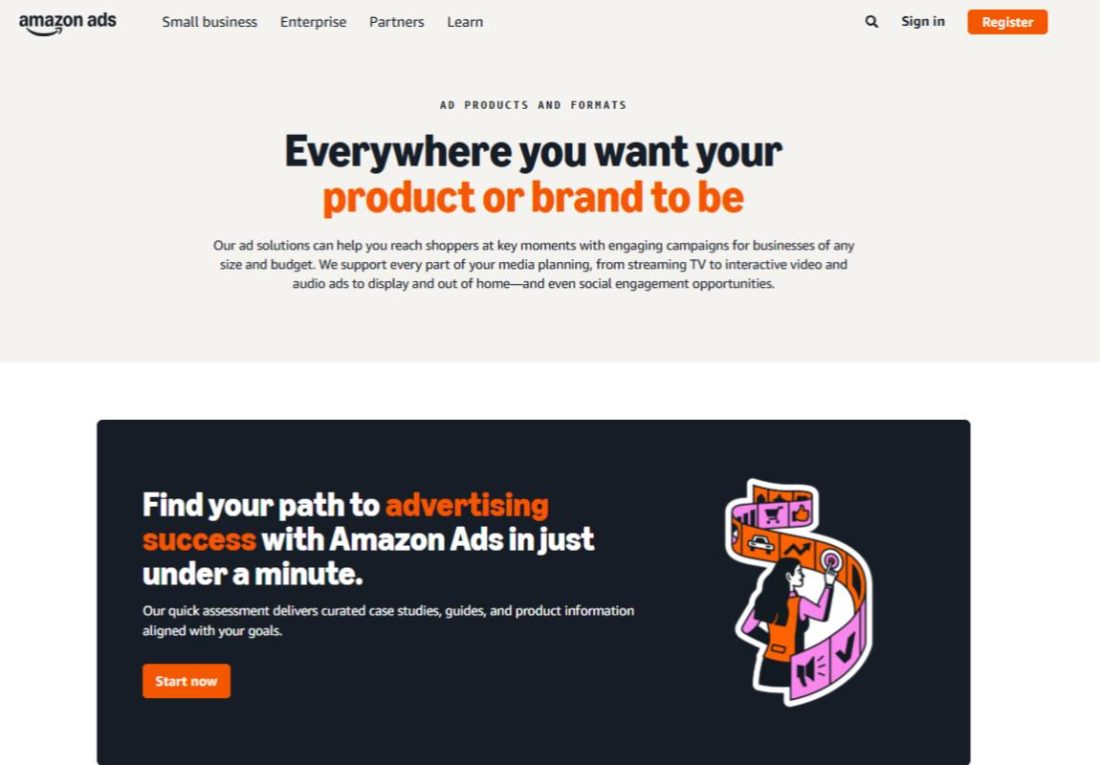
This works like Instagram snapshots. You can add lifestyle images or product photos with captions to build brand awareness and engage shoppers casually.
However, each post is tied to a single product, which makes it great for showcasing a product’s features but limited in helping shoppers explore other items or complete solutions.
Amazon Inspire
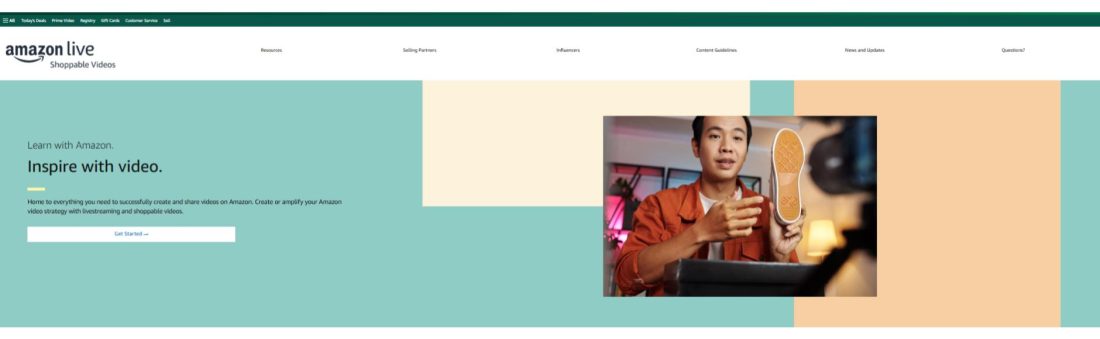
On the other hand, this is more like TikTok or Instagram Reels. It’s a feed where short videos and images autoplay as shoppers scroll, giving them entertaining ways to browse products.
Hauls are one of the standout formats within Inspire because they allow shoppers to explore themed product collections rather than individual items.
Inspire is designed for entertainment-driven discovery but doesn’t focus on sales directly; it’s about engaging shoppers with content first.
Amazon Brand Stores
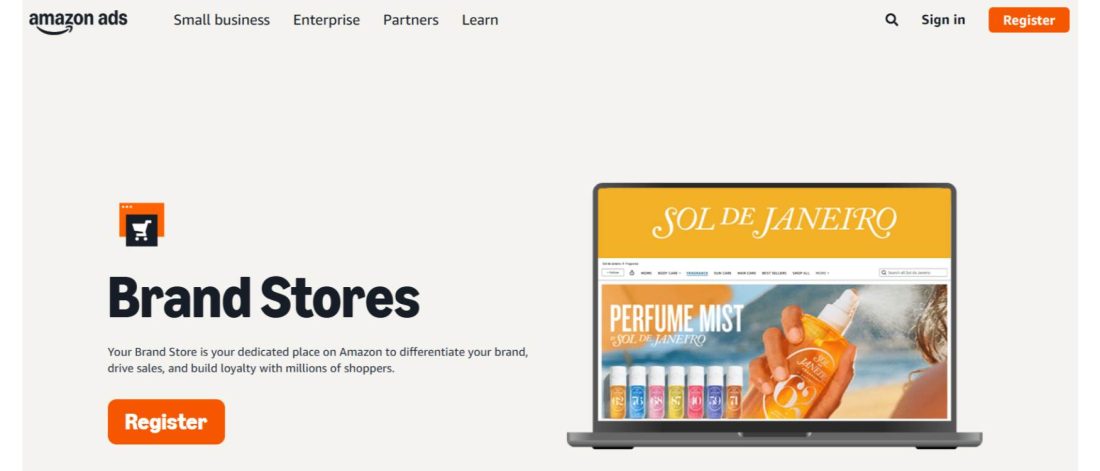
Amazon brand stores offer a different experience. They’re like a mini-website inside Amazon where you can create a curated space for your brand, organized around product categories or lines. These pages are static and evergreen, allowing you to present your brand story and product assortment in a structured way.
While they are useful for brand identity and directing shoppers to specific products, they don’t encourage discovery outside what’s already offered.
The Amazon Haul Program
The Amazon haul program fills a gap none of these formats fully cover. It’s where Amazon groups products into bundles based on trends, customer behavior, and lifestyle themes. You don’t have to create bundles yourself or collaborate with other sellers. Amazon’s algorithm automatically selects retail-ready products that fit together.
Shoppers encounter these curated haul collections directly on Amazon’s app and website. While they used to appear mainly in the Inspire feed, which was Amazon’s short-form video discovery platform, that feed was shut down last year in February 2025. Today, haul-style collections show up in influencer storefronts where creators participating in the Amazon Haul Affiliate Program curate themed product lists.
They also appear through Rufus, Amazon’s AI shopping assistant, which surfaces relevant haul items in search results and guided recommendations. Additionally, haul-tier products are integrated into sponsored placements and on product detail pages in sections like “Frequently Bought Together” or “Customers Also Bought,” making discovery feel natural and seamless across the platform.
Unlike the static experience of brand stores or the one-item focus of posts, hauls are dynamic, fast-moving, and designed to spark impulse buys by making shopping feel more like entertainment.
For sellers, this means the Haul Program isn’t about telling your brand story in a structured way; that’s what Brand Stores are for. It’s about getting your products in front of shoppers when they’re in discovery mode, ready to explore lifestyle solutions rather than searching for a specific item.
If you want to increase visibility, grow cart sizes, and reach new customers through trend-driven shopping moments, the Haul Program is where you should focus your efforts.
It was not an impulse decision of Amazon while creating the haul program; rather, it’s a strategic response to how shoppers will behave in 2026:
Hauls Tap Into the Psychology of Impulse and Social Proof
More than just finding the lowest price, shopping is more about feeling like a part of some trend, discovering products organically, and seeing them in use. That’s why haul-style content is so powerful.
When someone scrolls through an Amazon haul or a TikTok #amazonhaul video, they aren’t being sold to; they’re watching a peer’s choices. That sense of authenticity triggers impulse purchases because the recommendation feels personal and relatable.
For example, a wellness brand like Olly Nutrition might be featured in a “Morning Routine Haul” alongside a yoga mat, smoothie maker, and essential oils.
Shoppers see the full set and imagine the lifestyle, making it far more compelling than a single product listing.
The combination of visual storytelling, social proof, and curated context turns a one-off purchase into a multi-item basket.
The numbers speak for themselves. On TikTok alone, the hashtag #amazonhaul had crossed 80 billion views by early 2025, up from roughly 50 billion in late 2023. Which essentially means that there’s a lot to look forward to this year in 2026.
Beyond views, the engagement is massive as users comment, share, and click through to buy. This virality demonstrated a cultural stickiness that Amazon recognized early. By bringing hauls in-house through the Amazon Haul Beta Program, Amazon could keep shoppers inside its ecosystem while benefiting brands with higher visibility.
From Amazon’s perspective, hauls solve two big problems:
Engagement: Instead of shoppers performing one-off searches, they now browse themed hauls in Inspire or affiliate-driven storefronts, spending more time on the platform and discovering complementary products naturally.
Average Order Value (AOV): Hauls encourage shoppers to add multiple items at once. A customer might enter for a $12 water bottle but leave with five items from a curated wellness haul, because it feels complete and ready to use.
For brands, the Amazon Haul Program is about being seen in the right context and connecting with shoppers in a way that feels natural. Instead of your product sitting alone on a listing page, it is placed alongside complementary items, creating a small lifestyle story that makes sense to the shopper. This kind of visibility is what you need because it reaches people who might never have found your product through traditional search or ads.
You are essentially serving FOMO to buyers. When shoppers notice a trending haul filled with multiple products and real Amazon haul reviews, it sparks that “I need this now” feeling. Seeing an item as part of a popular collection, especially when influencers showcase it drives impulse buys without needing to rely solely on discounts or aggressive advertising.
Yes, the Amazon Haul Program is still considered a beta, meaning it’s evolving, and Amazon is actively experimenting with which products appear in which hauls.
Brands like Olly Nutrition and Native Deodorant have successfully leveraged hauls by appearing in influencer-created lifestyle bundles, resulting in measurable boosts in basket size and new customer acquisition.
Imagery from their most successful haul videos shows multiple complementary products displayed together with real-life use, giving shoppers a clear idea of the lifestyle context.
Selling through the Amazon Haul Program is making your products eligible to appear in curated, themed hauls where shoppers are already in discovery mode. These are viral-style collections that encourage multi-item purchases, so the goal is to have your product selected by Amazon’s algorithm or by influencers for inclusion.
Here’s how sellers can make their products selectable for hauls in 2026:
Most haul collections are focused on affordable, impulse-friendly products, generally under $20, with many trending below $10. This is the “price story”: the perceived value of the item in a haul context.
Products that are too expensive or complicated are less likely to be included because they don’t align with the haul’s theme of low-risk discovery.
If possible, create a haul-ready variant of your product with smaller pack sizes, fewer accessories, or simplified packaging so it lands comfortably within the $10–$15 range.
This isn’t about creating a bundle with other sellers yourself; Amazon or influencers will group products automatically. Your job is to make your ASIN appealing and appropriately priced for the program.
Delivery speed matters. Many haul items have standard ETAs of 1–2 weeks, especially for non-Prime SKUs.
If you’re an FBA seller, you have an advantage. Faster domestic fulfillment increases the chances your product is included because Amazon knows it can reach customers quickly.
FBM sellers can participate, but only if their fulfillment and shipping reliability meet Amazon’s standards. You’ll need to demonstrate consistent handling times and accurate ETAs so that customers aren’t disappointed.
Amazon evaluates products before including them in hauls, and retail readiness is critical. This includes:
A listing that meets these standards signals to Amazon that your product is reliable and appealing for discovery-driven shopping.
Only brand-registered products with a clean policy history are considered for curated experiences. Any history of IP complaints, account warnings, or listing suspensions can disqualify your product from hauls.
There’s no public sign-up form for the Amazon Haul Program, and you can’t apply in the usual way.
Inclusion is invite-only, determined by Amazon’s internal algorithm and curation team. Sellers don’t have control over being included; instead, your products need to meet certain criteria that make them appealing for discovery-driven hauls.
Amazon looks at a few key factors when deciding which products to include:
First, price matters. Hauls are designed for affordable, impulse-friendly items, usually under $20 and often below $10. Products that are too expensive or complex are rarely selected because they don’t fit the haul mindset.
Next is retail readiness. Listings need to be fully optimized with clear titles, detailed bullets, A+ content, high-quality images, and a solid review base (generally at least 15 reviews with an average rating of 3.5 stars or higher). Items also need to have consistent Buy Box ownership and be reliably in stock.
Delivery reliability is another important consideration. FBA sellers naturally have an advantage because Prime-eligible products can reach customers quickly. FBM sellers are eligible as long as they can consistently meet accurate shipping timelines.
Once a product meets these standards, Amazon’s algorithm decides where it fits. It can be surfaced across various categories like home, beauty, electronics, and fashion. At this point, the product becomes “selectable,” meaning it’s eligible to appear in curated hauls, whether those are assembled by Amazon itself or by influencers participating in the Haul Affiliate Program.
Amazon shut down the TikTok-style Inspire feed in February 2025, which means hauls no longer get the same organic exposure in that format. Instead, discovery is shifting to a mix of Rufus, Amazon’s AI shopping assistant, creator storefronts, and traditional ad placements.
What this means for sellers is that your haul videos and lifestyle content now need to work across multiple touchpoints rather than relying on a single feed.
Rufus is becoming a major driver of discovery. As an AI shopping assistant, it interprets shopper queries and can surface products, bundles, or curated recommendations. Lower-tier SKUs, those affordable, impulse-friendly items, benefit indirectly when your listings are optimized for retail-readiness.
That includes clear titles and bullets, robust Q&A sections, and credible reviews. Rufus can summarize this information or highlight products in response to shopper questions, effectively giving your haul products visibility without traditional feeds.
At the same time, creator storefronts and ad placements are more important than ever.
Partnering with influencers or leveraging the Amazon Haul Affiliate Program allows your products to appear in lifestyle bundles curated for social proof. Sponsored placements, whether via Sponsored Brands, Display, or AI-generated video ads, amplify that content, making it easier for shoppers to encounter your products during discovery-driven browsing.
Not every product is automatically considered for the Amazon Haul Program. To maximize your chances, there are a few key eligibility factors sellers need to understand.
1. Brand Registration
Your brand must be registered with Amazon. This unlocks critical tools like A+ Content and your Brand Store, both of which help your product stand out in haul-style collections. Without it, your products are unlikely to be surfaced.
2. Retail-Ready Listings
Products need to look and perform like premium options even at a low price point. That means strong, high-quality imagery, clear titles and bullets that communicate your value, authentic reviews, and a clean policy and account history. Haul-tier shoppers are browsing for a smooth experience; anything that feels incomplete or unreliable can disqualify your listing.
3. Operational Fit
The program favors items that can handle the realities of haul shopping. That includes inventory that can support sudden bursts of demand at low average selling prices, packaging sturdy enough for standard shipping, and clear, transparent ETAs so customers know when their haul will arrive. Fast and reliable fulfillment is especially important for FBA sellers, while FBM sellers must ensure shipping timelines are consistently met.
4. Price Architecture and Returns
Haul-tier SKUs need to hit the sweet spot: affordable enough to encourage impulse buying but still profitable after fees and potential returns. There’s also a nuance with the Amazon Haul Return Policy. These orders often have a shorter return window, typically around 15 days for orders above a small threshold. Sellers must factor this into margins and risk management when pricing haul-ready products.
Getting your haul-tier products discovered is about feeding the algorithm and creating momentum. Paid ads and careful measurement play a big role in this process.
1. Start with Sponsored Products for your haul-tier ASINs. Even small ad campaigns can seed initial sales velocity and clicks, which signals to Amazon that your items are relevant and engaging. In the haul ecosystem, early traction matters; a product that gains attention quickly is more likely to be surfaced in curated hauls or by influencers.
2. Next, use Sponsored Brands to drive traffic to your “Under $20” store page. This approach creates a mini-haul experience within your brand’s own ecosystem, letting shoppers browse a curated collection of affordable, impulse-friendly items. By pairing these ads with strong imagery and clear pricing, you reinforce the haul mindset and make it easier for shoppers to add multiple items to their carts.
3. Sponsored Display retargeting is another powerful tool. Target users who viewed your haul-tier products but didn’t purchase, especially those who may have bounced on price. Retargeting these visitors with visually compelling, haul-style creatives reminds them of the value and nudges them back into your collection.
Amazon’s AI Video Generator makes producing short, “haul vibe” creatives easier than ever. You don’t need a professional production team; quick clips that highlight multiple products, show use-in-context, and emphasize price can perform well across ads and creator storefronts. These videos feel more like discovery content than traditional advertising, which aligns perfectly with the social commerce approach of hauls.
4. Finally, measurement is critical. Using Amazon Marketing Cloud (AMC) allows you to track how creator traffic and ads combine to form multi-touch purchase journeys. With discovery increasingly happening via Rufus and AI Guides, shoppers may encounter your products multiple times before buying. AMC helps you understand which touchpoints creator content, sponsored products, or video ads are driving conversions, so you can allocate spending efficiently and optimize for maximum haul impact.
For many Gen Z shoppers, the thrill of buying a $12 gadget isn’t about need; it’s about discovery. One young shopper put it simply: “I saw it in an Amazon haul.” That statement captures the essence of the program. It’s about exploring, seeing what’s trending, and feeling like you’re part of a community that’s in the know.
Prime Members Find Shopping Fun Again
Prime members who are accustomed to practical shopping will find hauls refreshingly entertaining. Instead of looking for specific items like headphones or kitchen appliances, people come across groupings that feel like suggestions from friends. When combined with Prime’s rapid shipping, the temptation to click “Add to Cart” is increased. Even with Amazon Haul’s significantly different return policy, low-ticket items have no buyer regret, making these purchases seem safe and fulfilling.
Why Gen Z and Millennials Are Hooked
Younger customers want shopping to feel like social media rather than just a transaction. This is achieved by haul-style content, which combines visual, snackable formats with social validation. Mini unboxings, influencer-led haul evaluations, and real-life usage offer consumers confidence in their purchases. Low-cost items under $20 allow them to experiment without incurring financial risk, whereas curated collections foster a feeling of community-driven exploration. When a beloved artist highlights things through the Amazon Haul Affiliate Program, it feels less like advertising and more like getting a glimpse into someone’s lifestyle.
Hauls are appealing due to a number of psychological factors. Fear of missing out (FOMO) motivates customers to buy popular things before they sell out. Bundling bias gives the impression of a whole lifestyle kit rather than individual things, which increases perceived value. Finally, themed collections add a sense of surprise and thrill, similar to the excitement of treasure hunting or unboxing, making purchasing enjoyable.
The #AmazonHaul hashtag has racked up billions of views on social media platforms like TikTok, showing the enormous cultural stickiness of haul content. Surveys indicate that a large percentage of Millennials and Gen Z consumers are drawn to this style of shopping, with younger demographics engaging more frequently with curated, visual product experiences. Amazon’s Haul Program is also a strategic play to compete with price-focused social commerce platforms like Temu and Shein, capturing attention from shoppers who love both bargains and entertainment.
For sellers, the Amazon Haul Program is far more than just another feature tucked away in Seller Central. It’s a visibility engine designed for a social commerce world where products are searchable, discoverable, shareable, and binge-worthy.
Being included in a haul means your product isn’t confined to a single product page. It gets surfaced across Amazon’s ecosystem in ways that feel organic to shoppers. While Inspire, as a TikTok-style feed, has been retired, hauls now integrate into influencer storefronts and other discovery surfaces.
Through the Amazon Haul Affiliate Program, creators can curate their products into themed lists. Shoppers exploring these hauls are already primed to scroll and browse, increasing the chance of clicks and purchases.
Hauls thrive on curation and bundling. A “Kitchen Reset Haul,” for example, might include a set of glass containers, utensils, and a compact air fryer from multiple brands. If your product is part of that mix, it benefits from cross-category halo effects.
Shoppers often buy multiple items together, increasing your average order value. This kind of organic cross-selling is difficult to achieve with standard single-product campaigns or isolated listings.
Amazon is gradually rolling out haul-specific performance metrics as part of the beta program. Early sellers report insights beyond simple clicks: haul views versus add-to-cart rates, cross-purchase lift when bundled with other products, and engagement comparisons against standard listings.
These metrics let sellers see how their products perform within a lifestyle narrative, not just in isolation, giving actionable intelligence to optimize both product selection and pricing.
Hauls allow your product to stand out based on context and lifestyle fit rather than just being the cheapest option in a market crowded with price wars, flash discounts, and coupons. This is particularly crucial for firms that wish to attract impulsive customers while preserving a premium image. Without undermining value through discounting, hauls allow your products to flourish in a carefully chosen setting, identifying your brand.
For new product launches, the early days are crucial. Inclusion in a curated haul can increase visibility, engagement, and organic ranking signals. Similarly, relaunching a slow-moving SKU becomes easier when it’s featured in a trending haul; the product gains fresh eyes and credibility without relying solely on discounts or paid promotions.
Amazon Haul Program enrollment is one thing. The next step is to make it a real sales machine. Successful sellers here aren’t just depending on Amazon’s algorithm; they’re developing plans that combine ad synergy, seasonal demand, and influencer culture into a smooth growth cycle.
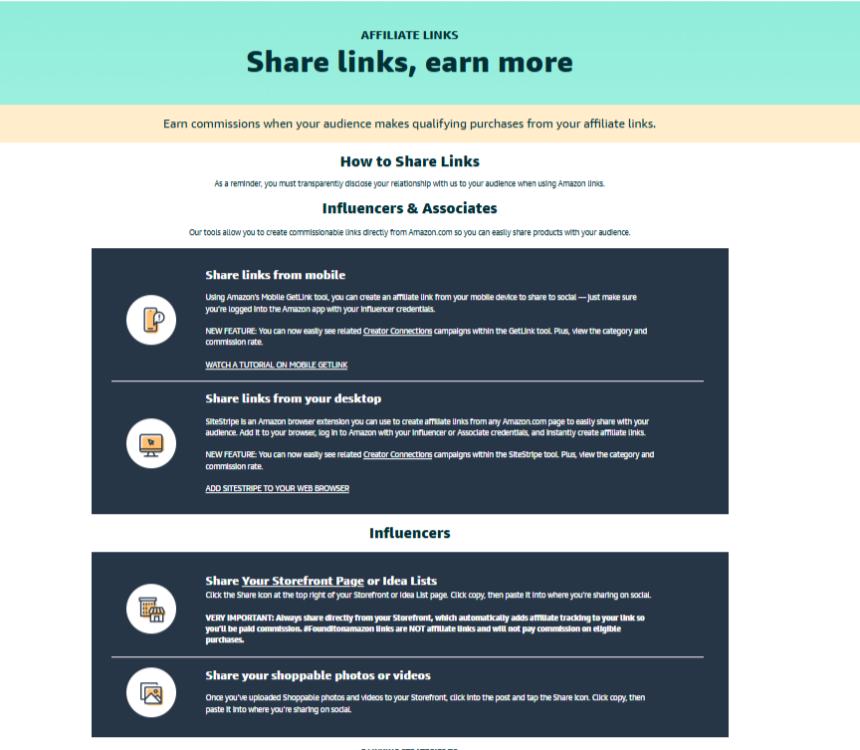
One of the biggest drivers of Amazon Haul reviews in 2026 is authenticity. Partnering with micro-influencers (10k–50k followers) often beats splashy campaigns with mega-creators. Why? Because their content feels like a genuine discovery, not a paid placement.
The best-performing hauls are tied to moments in shoppers’ lives.
Amazon is already promoting seasonal haul themes inside Inspire, which means if your product tags align, you’re more likely to be surfaced in trending feeds.
Don’t just drop your hero SKU into a haul. Mix high-traffic products with new launches so your established listings drive attention to fresh ones. For example: pair a best-selling yoga mat with a new resistance band set in a “Wellness Haul.” This cross-pollination is one of the quiet advantages sellers in the Amazon Haul Beta Program are noticing: basket sizes climb, and launches don’t feel forced.
Amazon hauls work even better when paired with ads:
This creates a halo effect, where your paid ads boost the organic traction of your haul placements. Amazon’s algorithm loves when engagement signals are amplified.
Haul content isn’t just for Amazon. Repurpose those same videos on TikTok, Instagram Reels, or YouTube Shorts to create an off-Amazon traffic funnel. Shoppers who see your product in multiple contexts are far more likely to trust it, and when they click back to Amazon, it signals higher intent.
The Amazon Haul Program looks shiny on the outside with a bigger reach, lifestyle-driven exposure, and a chance to ride the #amazonhaul wave that’s hit billions of views across TikTok and Inspire. But like any new Amazon initiative, sellers need to tread carefully. What feels like a golden ticket can backfire if you lean too hard in the wrong direction.
Hauls are meant to highlight variety, but putting fifteen random items in a single film just weakens the message of your company. “My beauty routine,” “my dorm haul,” or “my weekend vacation essentials” are examples of the best hauls that tell a story. Customers, particularly Gen Z, quickly recognize bogus content when it is overstuffed. Stronger Amazon haul reviews and more trust are the results of stricter curating.
Also, when we say “overstuffing your haul,” it doesn’t mean the seller is manually putting 15 products into one haul. What it refers to is that if your product is added to a haul that already has too many items, the impact of your listing can get lost.
Let’s say your product is a small, under-$15 skincare serum. Amazon’s algorithm might include it in a “Morning Skincare Routine Haul” along with a cleanser, moisturizer, and sunscreen from other brands. That haul is tightly curated, everything fits a single theme. Your product benefits because it’s presented in a logical, relevant context, and shoppers are more likely to add multiple items to their cart.
The more tightly curated the haul and the fewer conceptually linked products, the better your product can stand out and drive clicks. Essentially, sellers should aim to have listings that naturally fit in high-quality, focused hauls rather than expecting Amazon to create an overwhelming mix of unrelated items
It’s tempting to rely on haul virality alone. But here’s the truth: the algorithm rewards products that already have momentum. If you’re not pairing hauls with Sponsored Products or Sponsored Brands campaigns, you risk fading after the first spike of attention.
Sellers in Reddit groups have shared that without a baseline Amazon PPC strategy, their haul placements got views but very few conversions.
3. Review Authenticity Scrutiny
This year, the FTC and Amazon increased their efforts to combat fake review activity, particularly in categories where haul content is most prevalent. If your haul suddenly receives “too perfect” ratings, then expect more scrutiny.
Amazon’s AI tools now cross-check haul-related review velocity against natural purchase patterns. Stick to organic haul traffic, and never try to “stuff” reviews into your Amazon haul affiliate program promotions; it’s not worth the risk.
Amazon is tightening algorithmic control over what makes it into Inspire and haul feeds. That means you don’t “own” the space; you’re renting it. Sellers who depend entirely on haul placements without building brand stores, external traffic, and solid customer retention strategies may find themselves squeezed out when the algorithm shifts. The Haul Program is a lever, not the whole machine.
Shoppers treat hauls like “try-before-you-commit” experiences. That means returns are higher than in traditional ad-driven purchases. Understanding the Amazon haul return policy upfront helps you calculate margins realistically, especially for lower-ticket or fragile items where returns eat into profitability.
The Amazon Haul Program is more than a passing trend; it’s Amazon’s bet on where e-commerce is headed: social-first, community-driven, and impulse-powered shopping. What began as creators casually sharing #amazonhaul videos has grown into a full-fledged Amazon haul beta program, complete with integrations into influencer storefronts, affiliate-style campaigns, and other discovery surfaces.
Sellers have a big opportunity. Hauls can improve awareness, encourage cross-selling, and instill a sense of FOMO that traditional advertisements rarely do. But it’s not without its difficulties. Higher return rates, closer scrutiny on review legitimacy, and Amazon’s developing algorithmic control necessitate the same rigor as PPC campaigns or product launches.
Hauls are a storytelling format. Today, successful sellers will have carefully selected their products, collaborated authentically with influencers, and used hauls as a link between lifestyle-driven content and ready-to-sell conversions.
When done efficiently, your product becomes part of the story that customers want to tell, rather than just another item in their cart.


Emory Sinclair
December 29, 2025Overall, this guide covers everything someone needs to know before diving into the Amazon Haul world. The actionable tips on how to evaluate hauls make this one of the more practical resources I’ve seen on the topic.
Nolan Redford
December 29, 2025I liked the inclusion of real industry platforms where you can find Amazon Hauls, it gives readers a solid starting point. The comparison of haul options really helps when deciding which one to try first.
Elias Hawthorne
December 30, 2025The article does a great job showing that Amazon Hauls aren’t a get-rich-quick scheme, but a business opportunity if approached carefully. Your emphasis on research and preparation really stands out.
Magnolia Vale
December 30, 2025I hadn’t realized how much product condition and grading could impact my bottom line until reading this guide. The section on manifest reading is something every new reseller needs to pay attention to.
Evangeline Frost
December 30, 2025The examples you use throughout the article make the content much more relatable for someone new to liquidation sourcing. I especially liked the insights on how to manage inventory once you receive a haul.
Rosalind Keaton
December 30, 2025Your explanation of the fee structure and what to expect financially saved me a lot of confusion. It’s great to see both the benefits and the risks laid out in such an honest way.
Marlowe Wren
January 5, 2026I appreciate how you break down the differences between Amazon Hauls and traditional pallets, it makes the whole concept much easier to understand. The strategy suggestions for maximizing profit were very helpful.