


Are you also noticing something fishy these days? Social commerce platforms are building brand awareness with social commerce trends. These platforms have quietly become marketplaces where shoppers discover, evaluate, and buy products without ever leaving their favorite apps.
This is why keeping yourself informed of the latest social commerce trends is absolutely critical in 2026 and in the coming years. After all, the trend you act on today could be the one that takes your brand to the heights.
That reduction in friction is exactly why social commerce trends in 2026 are driving so much attention; people are scrolling and shopping at the same time.
If 2023 was the year when sellers stepped into social commerce, 2026 is the year it’s become impossible to ignore.
Since its U.S. launch in late 2023, it’s grown into a hustler, moving roughly $9 billion in gross merchandise value in 2024, with projections of doubling that by the end of 2026. What’s striking is how much of that boost comes from video.
Quick Guide:
A decade ago, platforms like Instagram or TikTok were mainly about community and brand storytelling.
Today, social commerce trends have become high-performing marketplaces. With easy checkout options on Instagram Shops, Facebook Shops, TikTok Shop, and even Pinterest’s “Shop the Look” pins. Customers can move from scrolling to purchasing in just a few taps.
That reduction in friction is exactly why social commerce trends in 2025 are driving so much attention; people are scrolling and shopping at the same time.
For sellers, this shift is extremely important because now, instead of relying only on ads or organic search, you can funnel high-intent traffic directly from social channels to your listings.
Think of social as the top-of-funnel engine, where customers first see your product in action through a creator’s demo, a customer’s recommendation, or even a shoppable post, and your marketplace or D2C storefront as the trusted checkout source.
This fusion of strategy can help you diversify traffic, reduce ad fatigue, and reach audiences that would never discover you just by searching on Amazon.
Also, none of this works without clear credit. Sellers need to observe where the sales originate to double down on what works. That’s where tools like Amazon Attribution come in, letting you tag campaigns across Instagram, TikTok, or Pinterest and measure the subsequent impact on Amazon listings.
With platforms like SellerApp, you get even deeper insights into which social campaigns are building awareness, driving conversions, and boosting your TACoS efficiency.
In short, social commerce isn’t just another trend that will lose its spark over time; it’s a direct path for you to meet your potential customers where they already spend time and then guide them seamlessly to Amazon, where they already trust the checkout.
If 2023 was the year when sellers stepped into social commerce, 2025 is the year it’s become impossible to ignore.

Since its U.S. launch in late 2023, it’s grown into a hustler, moving roughly $9 billion in gross merchandise value in 2024, with projections of doubling that by the end of 2025. What’s striking is how much of that boost comes from video.
Nearly 60% of sales are driven directly from short clips in the feed, unboxings, transformations, and quick tutorials, while livestreams are still early in adoption but already generating massive spikes around shopping holidays.
For example, Canvas Beauty raked in over $2 million in a single TikTok livestream during Black Friday 2024.
The underlying challenge is that only a fraction of the millions of products listed on the TikTok Shop marketplace ever sell profitably, which means brands need sharp creative strategies and strong operational compliance to stand out.
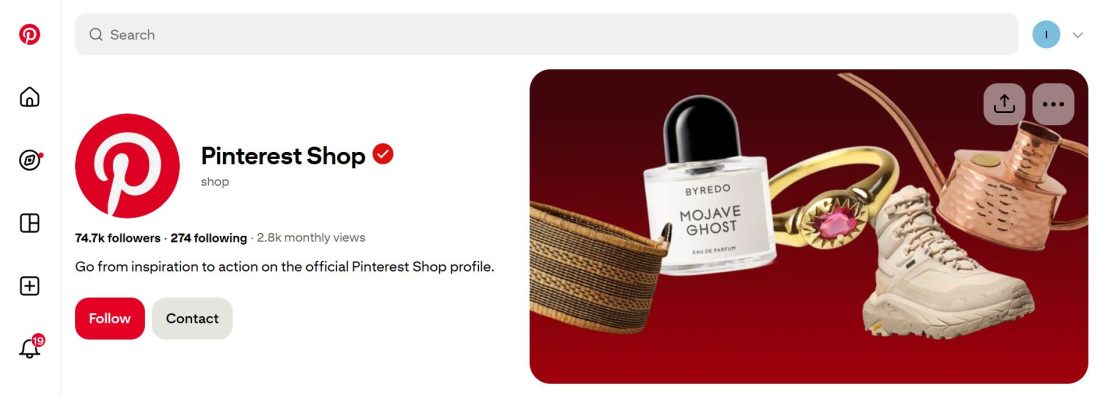
Pinterest is a very different platform. Gen Z are using Pinterest not just to pin pretty pictures into their mood boards but to plan purchases actively. Fashion brands like Jaded London study trending boards to decide what to release next, which involves turning visual data into real-world sales. Unlike TikTok, pins don’t disappear in one scroll. They keep surfacing, gathering impressions and clicks months after they’re posted.
For sellers, this means Pinterest can become a seasonal planning tool, spotting the aesthetics and themes that will influence Q4 shopping before they hit mainstream demand. Like a mood board on “minimalist dorm décor” in August could turn into a surge of Amazon sales in September if you align your product positioning early enough.
This is where discovery and transaction truly meet. Reels, Stories, and Shopping tags have become a trilogy for social selling. The boutique marketplace Jane pulled in over $230,000 during a single holiday season on Instagram Shop, with more than 80% of that revenue tied directly to tagged content. That stat alone shows how much weight shoppers give to content that feels authentic and clickable at the same time.
If you are a seller, make sure to pair UGC and influencer-driven reels with dynamic product tags, then build urgency through Stories or live shopping events. Fashion, beauty, and home décor brands are also experimenting with AR (augmented reality) try-ons, which reduce friction by helping shoppers visualize the purchase before committing to a trend. Sellers should be watching closely as AR adoption accelerates.
Meanwhile, this might feel like millennials’ tea and not have the cool factor of TikTok or Instagram, but it quietly delivers results, especially among older demographics with higher disposable income. The integration with Instagram Shops means a seller’s catalog flows seamlessly across both, while Facebook’s Groups and Messenger provide community-driven layers that Amazon simply can’t replicate.
Brands like Manitobah Mukluks use Facebook Shops not only to sell but also to tell cultural stories, blending commerce with education to build brand loyalty. For mid-market and enterprise sellers, this is an underrated channel for retargeting high-intent audiences and reinforcing credibility through social proof.
The behind-the-scenes here is that social commerce is an ecosystem of specialized platforms that play to different shopper mindsets. TikTok drives discovery and impulse, Pinterest nurtures intent, Instagram fuses authenticity with instant shopping, and Facebook keeps the purchase cycle alive through retargeting and community.
For sellers trying to future-proof their acquisition strategies, meet customers where they are already shopping socially, and bring that traffic back to Amazon with attribution tools that prove ROI.
Ultimately, AI tools are not here to replace human creativity they’re here to supercharge it. By helping sellers create smarter content, reach the right audiences, and personalize interactions without burning through budgets, AI is leveling the playing field for both startups and established brands. When used responsibly, AI can turn what once felt like an expensive, trial-and-error marketing process into a data-driven, efficient, and customer-first growth strategy. For sellers looking to stay ahead, embracing these tools thoughtfully is not optional it’s essential for sustainable scaling in 2026 and beyond.
The simple AR filters you’ve seen on Instagram are no longer the cutting edge. We’re entering an era where shoppers can create digital twins, hyperrealistic 3D avatars of themselves, to virtually try on clothes, accessories, or test makeup shades. Tech companies like Alta and Doji are leading this movement, enabling shoppers to upload a photo and get a near-identical digital version for try-ons.
This matters more than novelty: it gives buyers the confidence to purchase, especially in categories with high return risk (think fashion, eyewear, cosmetics). When shoppers can visualize how a product looks on them in different lighting, angles, or styles, hesitation drops, returns go down, and conversion rates go up. For Amazon sellers, leveraging or linking these avatar-based experiences (or creating content that mirrors them) can significantly improve conversion and reduce post-purchase remorse.
“Off-grid” or curated commerce private flash sales, exclusive drops, and members-only experiences on social media platforms is undergoing a significant transformation. This is about fostering closeness and loyalty rather than just scarcity. Imagine limited-edition releases shared through Instagram’s Close Friends stories, or drops accessible only to a brand’s “insiders.”
Your offering will feel more like an experience than a product thanks to this trend, which also provides a sense of urgency. Amazon sellers can take advantage of this by providing “insiders” or high-engagement consumers with pre-release access, or by releasing limited drops that generate hype. These strategies can help you carefully direct visitors to your Amazon listings or a livestream launch, reward loyalty, and fetch a premium margin.
Some social platforms are evolving beyond just selling they’re becoming lifestyle hubs. Apps like LTK and Flip are no longer just transactional. They feature travel inspiration, parenting tips, fashion lookbooks, and more, turning into content ecosystems where shopping is a natural part of a broader conversation.
For Amazon sellers, this means you can’t simply push product after product. To win, you’ll need to embed your brand into stories, identities, and lifestyles. Create content that entertains, inspires, and connects. Then, monetize via shoppable moments. This approach helps you reduce ad fatigue, foster loyalty, and position your brand as more than just a vendor you become part of your audience’s lifestyle narrative.
Visual discovery is leveling up thanks to AI. Tools like Pinterest Lens and Google Lens are growing smarter: not just matching colors or shapes, but interpreting textures, context, and style cues like “a lamp in a cozy reading nook” or “this dress under soft natural light.” AI is also starting to recommend complementary products based on these visual signals.
How does this help sellers? If your Amazon listings and social storefronts are optimized for visual search with clean, high-quality product images, smart tags, and style-focused descriptions, you can capture high-intent shoppers who are inspired by what they see, not just what they read. This reduces friction between inspiration and purchase.
Today’s consumers, especially Gen Z and younger millennials, want more than style and price. They’re demanding transparency: Where does the product come from? How are workers treated? What’s the environmental impact? Brands that clearly communicate their ethical sourcing, labor practices, and eco credentials are gaining a powerful competitive edge.
For Amazon sellers, this isn’t just a “nice add.” Highlighting sustainability in your social commerce strategy (through storytelling, packaging, certifications, or recycled materials) can justify premium pricing, foster deeper loyalty, and attract value-conscious shoppers. It also helps position you as a mission-driven brand, not just another seller.
Putting it all together, these emerging trends can help you with:
Video has quietly become the most powerful bridge between attention and action in e-commerce. Across TikTok, Instagram, and YouTube Shorts, short-form clips are delivering 3–5x higher engagement and conversion rates than static images.
Shoppers rarely remember product specs, but they remember stories. That’s why a simple unboxing, a customer showing “before and after” results, or even a funny skit about a daily struggle resonates more than a polished catalog shot. When buyers see real people enjoying your product, they’re buying into the experience of using it.
For sellers, video opens up several high-value cases:
The beauty of video is that it compounds. The more assets you create, such as product demos, customer reels, and lifestyle snippets, the more versatile your content library becomes. One video can fuel TikTok, Instagram Reels, Amazon Posts, and even sponsored brand video ads. That means every dollar you put into video works harder across channels.
And guess what? Amazon itself is pushing sellers toward video-first selling. With features like Amazon Live, sponsored brand video ads, and even product page video slots, video is no longer optional. Sellers who invest now in building a video engine will find themselves future-proofed for livestream shopping, AR try-ons, and whatever comes next in social commerce.
Social commerce is all about trust. It’s not enough to simply showcase a product you need signals that reassure shoppers they’re making the right decision.
Reviews, live interactions, community feedback loops, and other trust-building elements play a critical role in helping customers move from browsing to buying.
The more customers see others using, loving, or recommending your product, the more comfortable they feel making a purchase themselves. That’s why social commerce platforms rely heavily on reviews, user-generated content, and community feedback. A candid video answering customer questions, a star rating on a product page, or a heartfelt post from a satisfied buyer carries far more weight than traditional advertising. These trust signals help lower perceived risk, build rapport, and give shoppers the confidence they need to convert.
For sellers, this entails incorporating social media feedback into your Amazon ecosystem in addition to likes and comments. You can carefully incorporate customer photos, reviews, and responses to commonly asked questions from social media platforms into your product pages.
For instance, customer insights gleaned from Instagram comments can be curated into Amazon’s “From the Community” section, and FAQs raised during live events can be directly addressed through Amazon’s Q&A tool or included to your product description.
By coordinating these signals, you may produce a more seamless, comforting consumer experience that mirrors what consumers are already discussing.
Live interactions are another powerful way to build trust. Hosting livestream events where you answer customer questions in real time allows shoppers to see your expertise, authenticity, and commitment to customer satisfaction. These sessions don’t just generate buzz they can actively reduce return rates by clarifying product use cases and managing expectations. For instance, a brand selling skincare products could demonstrate proper application techniques during a live session, helping customers avoid common mistakes that lead to dissatisfaction or unnecessary returns. The more transparent and accessible you are, the more confident your customers feel about their purchase.
Another essential component of developing trust is keeping an eye on how consumers are discussing your business on social media. You may monitor sentiment, pinpoint common problems, and identify possible problems before they become serious by using social listening techniques.
You can proactively handle negative feedback by updating customer service, making product improvements, or creating educational content if it begins to trend around a specific feature. By demonstrating that they are attentive and responsive, companies that keep ahead of issues not only save their reputation but also convert detractors into devoted supporters.
At the end of the day, trust isn’t built through flashy ads it’s built through consistent, transparent interactions with your audience. Social proof, customer reviews, live Q&A sessions, and attentive brand monitoring all work together to create a community where shoppers feel seen, heard, and confident in their choices.
For sellers, this means creating feedback loops that not only drive conversions but also foster loyalty and long-term relationships. When you embed trust signals throughout the customer journey from discovery on social platforms to checkout on Amazon you turn one-time buyers into repeat customers who advocate for your brand.
Artificial intelligence is no longer a futuristic buzzword it’s actively transforming how sellers engage customers, scale campaigns, and personalize experiences in social commerce. AI-driven tools are helping brands do more with less, allowing sellers to grow without ballooning costs or relying on guesswork. For sellers navigating crowded marketplaces, these tools are becoming indispensable for optimizing marketing strategies while keeping budgets under control.
One of the biggest challenges for sellers is standing out without overspending on ads. AI helps by analyzing customer behaviors, preferences, and engagement patterns to deliver personalized messaging in real time. Tools that use machine learning can suggest what type of content resonates with different segments, identify peak shopping times, and even recommend offers tailored to individual customers. For instance, a fashion seller might use AI to serve different video ads to customers based on past browsing history one promoting everyday wear and another highlighting seasonal styles without manually setting up multiple campaigns.
Creating content that drives engagement is a constant effort, and that’s where AI shines. Automated design platforms can generate multiple variations of ad creatives headlines, captions, images, and layouts based on what’s already performing best. A beauty brand selling on Amazon used AI tools to test 50 variations of short-form video thumbnails, identifying which visuals increased click-through rates by 22% within a week. These tools don’t just save time; they also unlock creative ideas sellers might not have considered, keeping campaigns fresh and reducing ad fatigue.
Rather than relying on broad demographic filters, AI tools segment audiences based on behavior what they click, watch, engage with, or abandon. For example, an seller could use AI-driven segmentation to create separate campaigns targeting first-time viewers, repeat shoppers, and customers who abandoned a cart. By narrowing in on these patterns, sellers can craft offers and retargeting strategies that speak directly to customer intent, increasing the chances of conversion while minimizing wasted impressions.
Beyond segmenting, AI helps fine-tune messaging based on how customers respond to your content. If a customer consistently watches tutorials but skips promotional videos, the algorithm learns this pattern and surfaces educational content that builds trust before pitching a product. Similarly, chatbots powered by AI can guide customers through buying decisions, answer product questions, and recommend complementary items, all while tracking engagement to improve future interactions. This approach mimics how a personal shopper might tailor suggestions but at scale and with consistency.
With great power comes responsibility. As AI-driven personalization grows, sellers must stay vigilant about privacy laws and platform restrictions. New regulations like GDPR in Europe and CCPA in California are changing how customer data can be collected, stored, and used. Additionally, privacy changes from mobile operating systems have limited how third-party trackers can follow customer behavior. Sellers need to be transparent with customers, only gather data with explicit consent, and use tools that comply with regional guidelines. Violating these can result in fines, account suspensions, or loss of customer trust, costs far greater than any ad spend.
Each platform has its own policies regarding data usage, messaging frequency, and content targeting. For example, some networks limit how retargeting pixels can track user activity, while others restrict automated messaging unless customers opt in. Sellers must ensure their AI tools are configured to align with these rules and avoid aggressive tactics that might trigger platform penalties. Working with compliant AI solutions and regularly reviewing privacy policies is key to scaling without risking platform bans.
Ultimately, AI tools are not here to replace human creativity they’re here to supercharge it. By helping sellers create smarter content, reach the right audiences, and personalize interactions without burning through budgets, AI is leveling the playing field for both startups and established brands. When used responsibly, AI can turn what once felt like an expensive, trial-and-error marketing process into a data-driven, efficient, and customer-first growth strategy. For sellers looking to stay ahead, embracing these tools thoughtfully is not optional it’s essential for sustainable scaling in 2025 and beyond.
For sellers aiming to scale beyond domestic markets, remember that social commerce is opening doors that were once locked behind costly logistics, localized operations, or complex infrastructure. Today, platforms like Instagram, TikTok, and Facebook are helping brands expand into new regions faster and more efficiently without requiring massive investments in warehousing or local offices. By leveraging geo-targeting, language customization, and culturally relevant content, sellers are reaching audiences across borders, driving new revenue streams while keeping overhead low.
Social commerce platforms provide tools that make it easier than ever to test international demand. Language customization features allow sellers to tailor captions, product descriptions, and ad creatives to local dialects and cultural nuances, helping customers feel seen and understood. Geo-targeting ensures that promotions or campaigns are shown to the right audience based on location, time zone, or regional trends. Local influencers or creators further enhance this approach by producing content that resonates with specific cultural preferences, whether it’s festive recipes in India, home décor ideas in Europe, or beauty hacks in Southeast Asia.
For example, imagine there is a U.S.-based wellness brand that recently launched in the U.K. by running localized Instagram ads featuring British creators discussing common seasonal health challenges. Instead of trying to recreate an entirely new strategy, the brand leveraged existing content, adapted the language, and ran region-specific campaigns that boosted trial rates by 40% within months.
Let’s not gatekeep the exciting part; social commerce lets sellers test new markets before committing to expensive infrastructure. By using fulfillment services like Amazon’s FBA Export, third-party logistics partners, or cross-border warehousing providers, sellers can ship smaller batches to meet huge demand. Social ads can drive traffic to localized landing pages or region-specific storefronts, helping sellers collect data on customer preferences without large-scale investments in warehousing, offices, or local distribution networks.
Think of A fashion brand expanding into Latin America, for instance, started by promoting curated collections via influencers and targeted ads. Within the first quarter, they identified key product categories and demand patterns, allowing them to refine inventory plans and build relationships with local fulfillment partners only after understanding regional behavior.
While social commerce lowers the barrier to entry, it doesn’t eliminate complexity. Sellers expanding cross-border must account for risks that can quickly derail growth if not addressed upfront. Logistics challenges, especially shipping delays or customs regulations, can frustrate customers and damage trust. Returns management in international shipments is also more complicated and costly, requiring clear policies and efficient processes.
Customer service scalability is another challenge. As brands grow into multiple time zones and languages, the ability to respond promptly in local languages becomes critical. Failing to meet customer expectations in service quality can tarnish brand reputation, even if your product is excellent.
Compliance is equally important. Data protection laws, tax regulations, and import duties vary by country, and missteps can lead to fines or account restrictions. Sellers need to ensure that marketing data collection, shipping declarations, and product labeling meet local guidelines, especially in regions like the EU, where GDPR enforcement is strict.
Several brands are already using social commerce to drive international expansion. Beauty brand Glossier has tapped into localized influencer networks to build awareness in markets like Canada and the U.K., combining region-specific content with streamlined fulfillment via third-party partners. Similarly, fashion label Gymshark experimented with geo-targeted ads and localized social campaigns in Europe before scaling into dedicated fulfillment centers.
Even smaller brands are seeing success. A premium tea seller from the U.S. launched campaigns across Southeast Asia using TikTok videos with local creators demonstrating brewing rituals unique to each region. The brand’s localized approach helped it grow its subscriber base by 300% within a year, all while managing fulfillment through a shared logistics provider.
For sellers, the opportunity is clear, but so is the need for strategy. Entering new regions requires more than translation; it requires cultural fluency, operational planning, and risk management. Social commerce provides the tools to explore these markets without breaking the bank, but only if sellers approach expansion thoughtfully, with clear data-driven goals, scalable logistics solutions, and localized customer experiences.
When done right, cross-border and multichannel selling reaches new customers and creates brand loyalty across cultures, unlocking new revenue streams and future-proofing growth in an increasingly connected world.
In today’s social commerce landscape, relying solely on paid ads is like trying to build a house without a foundation. Ads can deliver bursts of traffic, but without community trust and repeat engagement, that traffic rarely converts into loyal customers. For sellers, especially those operating in competitive mid-market and enterprise spaces, sustainable growth depends on weaving paid strategies with authentic, long-term engagement.
According to recent industry reports, 73% of shoppers say that social media helps them decide what to buy, but nearly 60% distrust content that feels overly promotional. This gap is where organic engagement steps in. Reviews, customer-generated content, and ongoing conversations don’t just drive clicks; they build confidence that influences both initial purchases and future buying decisions.
Brands that integrate organic community-building into their social commerce efforts see measurable benefits. A beauty brand using daily educational posts saw a 24% lift in repeat purchases within three months, while a home improvement brand that actively responded to customer questions saw 30% higher review submission rates, directly impacting Amazon’s search rankings and conversion metrics.
Organic strategies also reduce churn. Customers who feel seen and heard are more likely to engage post-purchase, leave reviews, and recommend products to others. This dynamic helps sellers build stronger customer lifetime value (CLV), a metric that, when optimized, can reduce reliance on high-cost paid campaigns over time.
Rather than vague content splits, sellers should anchor their strategy to performance data. One advanced framework based on successful mid-market sellers looks like this:
Sellers should audit their content monthly, measuring which posts generate clicks, which build comments, and which convert into reviews or repeat purchases. Regular performance reviews allow adjustments to be data-driven rather than reactive.
A specific budgeting approach looks like this:
Product categories also matter. Subscription-based products such as supplements or meal kits benefit from higher investment in educational content, whereas seasonal goods like outdoor gear rely more on ads during peak buying periods.
Sellers may move beyond vanity metrics like likes and views. Instead, key performance indicators (KPIs) must align with Amazon’s bottom-line objectives. These include:
The sellers who integrate ads, influencers, and organic strategies into a feedback loop where each element feeds the next have seen visible results. Paid ads create an initial interest, influencers deepen trust through storytelling, and organic content keeps customers engaged post-purchase, which encourages reviews, referrals, and repeat shopping.
For sellers navigating increasingly competitive landscapes, blending paid advertising with authentic, community-driven engagement is essential. Ads can bring traffic, but it’s trust, storytelling, and meaningful interactions that turn browsers into buyers and one-time customers into loyal advocates.
The most successful sellers are those who treat social platforms not as broadcasting tools but as dynamic ecosystems where customers connect, share experiences, and feel empowered. Whether you’re testing new markets through geo-targeted campaigns, scaling through AI-powered personalization, or nurturing long-term relationships with authentic content, the goal remains the same: build trust, serve customer needs, and create experiences that go beyond a transactional exchange.
Paid ads, influencer collaborations, and organic engagement must work together, each amplifying the other, each reinforcing the customer’s sense that your brand is both reliable and relatable. Investing in this integrated approach doesn’t just improve conversion rates or reduce acquisition costs; it positions your brand for sustainable growth in a world where shoppers are increasingly discerning and community-driven.
sellers, be strategic, be empathetic, and be data-informed. Embrace tools, but lead with authenticity. Build relationships, but measure their impact. Scale thoughtfully, but never lose sight of the people behind the clicks. The brands that win are those that understand that commerce is no longer just about selling it’s about connecting.
Additional Readings:
Ecommerce Pricing Strategies: 10 Winning Models
Ecommerce Conversion Funnel: Advanced Tactics to Boost Your Funnel Performance
Best eCommerce Niches: How to Find the Most Profitable eCommerce Niches in 2025
Ecommerce vs Traditional Commerce








Sebastian Norwood
January 7, 2026Overall, this guide provides a clear overview of the major social commerce trends shaping e‑commerce. It’s a valuable resource for sellers who want to stay competitive in the digital marketplace.
Lila Draven
January 7, 2026The explanation of how video content drives engagement and conversions was very practical. It shows why storytelling through content is becoming essential for online sellers.
Stellan Rhodes
January 7, 2026I like how the article highlights sustainability and ethical sourcing as important trends in social commerce. Today’s consumers definitely care more about brand values and transparency.
Zander Wells
January 7, 2026The insights about AR and virtual try‑on technology were fascinating. Features like these can definitely improve confidence in online purchases.
Fenric Nightwarden
January 8, 2026I appreciate the focus on customer trust and social proof in the article. Reviews, user-generated content, and community feedback clearly influence purchasing decisions.
Wynara Frostveil
January 8, 2026The explanation of how platforms like Instagram, TikTok, and Pinterest support social commerce was very helpful. Each platform seems to play a unique role in the buyer journey.
Naeris Flamewhisper
January 8, 2026I found the section on visual discovery and AI‑powered search especially interesting. It shows how technology is making product discovery faster and more personalized.
caelvindrastarvale
January 8, 2026The discussion about short‑form video and influencer content was very insightful. These formats truly help brands build trust and engagement with modern shoppers.
Ithindra Moonvale
January 8, 2026I really like how the article explains the growing role of social platforms in driving e‑commerce sales. It clearly shows why businesses need to integrate social media into their selling strategies.
Zaeriel Starcrest
January 8, 2026This article provides great insights into how social commerce is transforming the way brands connect with customers. The breakdown of emerging trends makes it easier for sellers to understand where the future of online shopping is heading.
Maribel Ashford
January 11, 2026Overall, this article captures the key shifts happening in social commerce and gives sellers a forward-looking roadmap.
Thora Bellamy
January 11, 2026Great reminder that social commerce isn’t just for D2C — marketplace sellers can benefit too with the right strategy.
Fletcher Kingswell
January 11, 2026The part about real-time analytics empowering sellers to react faster to trend shifts feels very actionable.
Ione Calderwood
January 11, 2026I appreciate the focus on community and engagement — it’s not just ads anymore, it’s about authentic connections.
August Penrose
January 11, 2026The trends around in-app checkout and seamless buying experiences show why simplifying conversion paths matters.
Livia Thorncroft
January 12, 2026Your breakdown of micro-influencers vs mega-influencers helps clarify where sellers might get the best ROI.
Raleigh Brookton
January 12, 2026It’s interesting to see how platforms are blurring the line between content and commerce — that’s a big opportunity for brands.
Delphine Winthrop
January 12, 2026The insight on social discovery influencing search intent makes it clear why sellers need to integrate social into their funnel.
Harrison Blackwell
January 12, 2026I like how you highlight the role of short-form video in driving shopping behavior; visuals truly are reshaping buyer journeys.
Nerissa Colden
January 14, 2026This article gives a great overview of how social commerce is evolving — especially the shift from inspiration to actual purchase.