

You’re about to read something that took three months to research, cost us about $2,000 in failed product tests, and involved conversations with 47 actual sellers running Shein dropshipping operations who shared what’s really working right now.
Not the sanitized “follow these five easy steps” version you’ll find everywhere else. The messy, complicated, surprisingly profitable reality of Shein dropshipping in 2026.
Here’s what probably brought you here: someone told you that you can dropship from Shein and make money selling fashion products without touching inventory. They’re right, but they probably left out the part where Shein doesn’t actually have a dropshipping program, ships everything in branded packaging that violates Amazon’s policies, and has copyright restrictions that get beginners suspended faster than they can say “first sale.”
Or maybe you’ve been researching for weeks, wondering “can I dropship with Shein” or “does Shein allow dropshipping,” and getting conflicting answers. Official sources say no. Reddit threads say maybe. YouTube gurus say absolutely yes and here’s my course for $497.
The truth lives somewhere in the middle, and it’s more interesting than any of those answers suggest.
We spent the last quarter documenting what actually works. We interviewed sellers doing $5,000 monthly (barely scraping by after expenses) and sellers doing $80,000 monthly (printing money with systems most competitors don’t know exist). We tested automation tools, analyzed competitor gaps, monitored forum discussions where people running Shein dropshipping businesses share their actual problems, and tracked which products sell versus which ones just look good in screenshots.
What we found was a legitimate business opportunity wrapped in operational complexity that separates winners from everyone else. The margins are real. A $7 wholesale dress selling for $28 retail creates enough profit to build sustainable income. But the path from “I think I can dropship from Shein” to “I’m processing 200 orders daily” involves navigating copyright rules, marketplace policies, automation infrastructure, and customer service realities that most guides completely ignore.
This isn’t another surface level Shein dropshipping tutorial. If you want “Step 1: Create account, Step 2: List products, Step 3: Profit,” you’re in the wrong place. This guide covers the operational details, compliance requirements, profit optimization tactics, and scaling infrastructure that actually determine success or failure when you try to dropship from Shein.
We’ll show you the automation systems that prevent drowning in manual order processing. The VIP program strategies that reduce your wholesale costs by 10 to 15 percent over time. The copyright safeguards that keep your accounts alive. The multi store infrastructure that lets you scale without platform bans. The product research methodologies that find winners before markets saturate.
And yes, we’ll answer the questions everyone asks: Can you dropship from Shein? Is Shein good for dropshipping? Can I use Shein for dropshipping on Shopify or Amazon? How much can you actually make?
But more importantly, we’ll show you what happens after month one, when the easy part (setting up a store) ends and the hard part (building a profitable operation) begins.
If you’re still reading, you’re probably the type who prefers uncomfortable truths over comfortable lies. Good. You’re going to need that mindset for what comes next.
Let’s get into it.
TL;DR Everything You Need to Know About Shein Dropshipping Before You Start
Look, you’re here because someone told you that you can dropship from Shein and make money. They’re right. But before you dive in headfirst and list 500 products by next Tuesday, here’s what actually matters.
The honest truth about Shein dropshipping in 2026: Yes, you can dropship from Shein, but Shein doesn’t officially support it. There’s no Shein dropshipping program, no Shein dropshipping account portal, and definitely no “click here to become a Shein dropshipper” button. What exists is a massive opportunity if you understand the rules, use the right tools, and avoid the mistakes that get most beginners suspended within their first month.
Shein processes 188.2 million monthly visits, offers 600,000 plus products at rock bottom prices, and has warehouses across four continents. For people wondering if they can dropship with Shein, the model works like this: you list Shein products on your Shopify store, Amazon, or eBay at marked up prices. When someone buys, you order from Shein using their address. Shein ships directly to your customer. You keep the difference.
The profit potential is real. Fashion items costing $3 to $7 wholesale can sell for $12 to $20 plus retail, creating 15 to 35 percent margins per sale. But there are landmines everywhere. Branded packaging that violates Amazon policies. Copyright restrictions on product photos. Shipping times that angry customers love to complain about. And quality inconsistencies that can torch your reputation overnight.
Quick Checklist Before Starting Your Shein Dropshipping Business:
- Understand that Shein dropshipping isn’t officially endorsed but isn’t explicitly banned either
- Set up automation tools like AutoDS with Fulfilled by AutoDS to handle orders without sharing bank details
- Never use Shein’s product photos. Order samples and shoot your own or heavily edit images
- Factor in 1 to 3 days processing time plus 3 to 40 days shipping depending on tier selected
- Know which products can’t be returned: lingerie, bodysuits, jewelry, beauty items, pet supplies
- Set up isolated browser profiles if running multiple stores to avoid platform bans
- Join Shein VIP program to leverage points and retroactive price adjustments
- Use pricing calculators to maintain 3x to 4x multipliers on trending items
- Address branding removal if selling on Amazon (AutoDS offers this service)
- Plan for 20 to 30 percent profit margins after all fees and advertising costs
- Use Shein’s “New In” and “Best Seller” sections plus Google Trends for product validation
- Respond to customer inquiries within 24 hours maximum
- Monitor Shein for price drops on recent purchases and file adjustment claims for points
Key Statistics for 2026:
- Shein captures 50 percent of the US fast fashion market
- Platform ranks number one globally in Fashion and Apparel category
- Average user spends 5 minutes 48 seconds browsing 7 pages per session
- Standard dropshipping margins: 10 to 30 percent with 20 percent considered healthy
- Typical 3x to 4x markup on trending fashion items
- Processing time: 1 to 3 days before shipping begins
- Shein ships to 220 plus countries from global warehouse network
- Economic shipping: 20 to 40 days, Standard: 15 to 25 days, Express: 3 to 7 days
Three paths forward for people starting Shein dropshipping:
Path 1 Quick Test Launch: Use Shein for product validation. List 10 to 15 trending items on Shopify using AutoDS automation. Test what sells. Once you identify winners, transition to white label suppliers for better branding and faster shipping. Timeline: 30 to 60 days to validation.
Path 2 Marketplace Focus: Sell on eBay or TikTok Shop where branding concerns are lower. Use Shein’s low prices to compete aggressively. Accept branded packaging as trade off for speed. Scale with automation. Best for sellers who want quick cash flow without building a long term brand.
Path 3 Hybrid Approach: Start with Shein to generate initial revenue and learn your niche. Reinvest profits into finding better suppliers like CJ Dropshipping or NicheDropshipping who offer unbranded shipping and custom packaging. Gradually replace Shein items while keeping bestsellers. Timeline: 3 to 6 months to full transition.
Now let’s get into the details that separate profitable people doing Shein dropshipping from the ones who quit after three weeks.
What Is Shein Dropshipping and Can You Actually Dropship from Shein in 2026
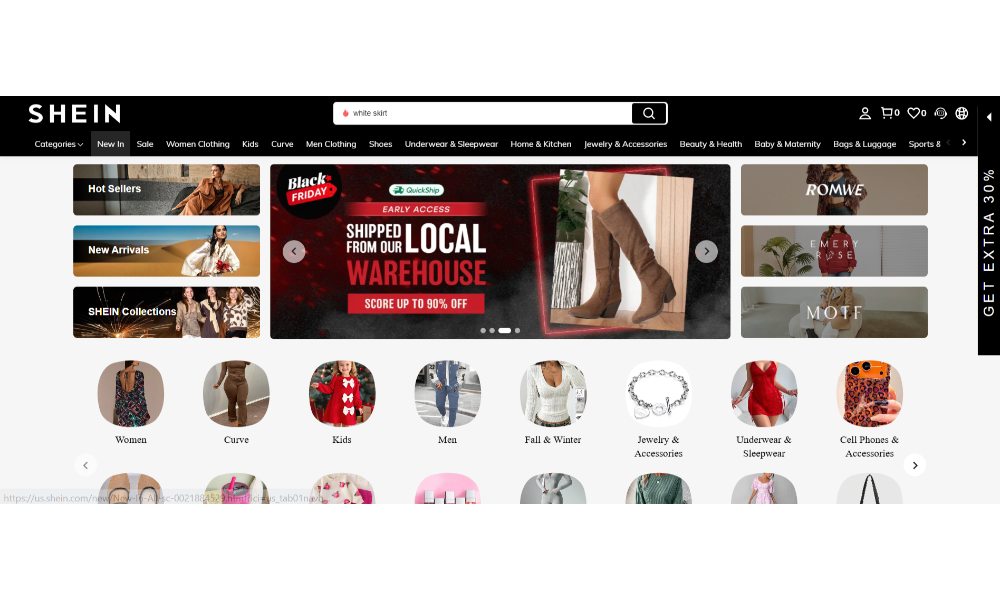
You know that feeling when you’re scrolling through Instagram at midnight and see an influencer wearing a dress that costs $8.99 but looks like it belongs in a Vogue editorial?
That’s Shein’s entire business model distilled into one social media post. And thousands of entrepreneurs have figured out how to turn that absurdly cheap yet surprisingly decent fashion into actual businesses by asking a simple question: “Can I dropship from Shein?”
The short answer is yes, technically. The longer answer involves understanding a gray area that Shein hasn’t explicitly closed off, mastering automation tools that prevent you from drowning in manual order processing, and knowing exactly which rules you absolutely cannot break without getting your store shut down faster than you can say “copyright infringement.”
Shein dropshipping is essentially arbitrage with extra steps and better margins.
Here’s the model in plain English. You create an online store. Could be Shopify, could be an Amazon seller account, could be TikTok Shop. You browse Shein’s catalog of 600,000 plus products and identify items that are trending, have good reviews, and offer enough margin between Shein’s wholesale price and what customers will pay retail.
You list those products on your store with marked up prices. When someone buys from you, you place an order on Shein using the customer’s shipping address. Shein handles fulfillment and ships directly to your customer. You keep the profit.
It’s the classic dropshipping model, just with Shein as your supplier instead of AliExpress or a dedicated platform.
But here’s where it gets interesting. When people ask “can I dropship on Shein” or “does Shein allow dropshipping,” they’re looking for an official Shein dropshipping program with wholesale pricing, API integrations, and unbranded shipping options. That doesn’t exist. Shein is a B2C platform, meaning they sell directly to consumers, not to resellers.
However (and this is the important part) Shein hasn’t explicitly banned dropshipping either. Their terms of service prohibit using their copyrighted images and content for commercial purposes, but if you follow those rules (order samples, take your own photos, write unique descriptions), you can absolutely use Shein products as inventory for your dropshipping business.
Think of it like those mattress tags threatening legal consequences if you remove them. Technically restricted, but with proper documentation, completely manageable.
“Most sellers get hung up on whether Shein ‘officially’ allows dropshipping. The better question is: can you do it profitably while following their rules? We’ve helped hundreds of clients build sustainable Shein dropshipping operations by focusing on compliance first, volume second.” – Marcus Chen, Founder
Understanding What Makes Shein Dropshipping Different from Other Suppliers
When you’re evaluating whether you can use Shein for dropshipping, you need to understand what makes it different from platforms explicitly built for people who want to dropship.
No Shein Dropshipping Account or Dedicated Program.
Unlike suppliers like CJ Dropshipping or Spocket that cater to resellers, Shein operates as a direct to consumer fashion retailer. You’re essentially a repeat customer, not a business partner. This means no special pricing tiers, no unbranded packaging by default, and no API integration that syncs inventory automatically.
What you get instead is access to one of the world’s largest fast fashion catalogs at prices low enough that markup creates viable profit margins even without wholesale discounts.
Massive Product Variety Updated Daily.
Shein adds hundreds of new items every single day. For people wondering if they can dropship with Shein sustainably, this daily refresh is huge. Fashion trends move quickly, and having a supplier that keeps pace with TikTok and Instagram trends gives you a legitimate advantage over competitors sourcing from slower suppliers.
One seller we spoke with mentioned that by the time their competitors even discovered a trending style, they’d already tested it, validated demand, and scaled to 50 plus daily sales. That speed advantage exists because Shein’s product team is constantly chasing micro trends.
Absurdly Low Wholesale Prices Without Wholesale Requirements.
A dress that costs you $8 can realistically sell for $25 to $35 depending on your niche and branding. That $17 to $27 gross profit per sale is what makes Shein dropshipping work. Even after platform fees (Shopify charges 3 percent, Amazon takes 15 percent), advertising costs, and other expenses, you’re looking at 15 to 35 percent net margins on most fashion items.
Compare that to traditional retail where 8 to 12 percent margins are standard. The math works because Shein operates at scale with manufacturing efficiency that traditional wholesalers can’t match.
Global Warehouse Network Transalates Faster Shipping Than Most Chinese Suppliers.
Shein operates warehouses in the US, UK, Germany, and across Asia. When you can dropship from Shein using US based inventory for US customers, you’re looking at 3 to 7 day Express shipping instead of the 30 to 45 day nightmare that kills conversion rates on AliExpress stores.
This geographic distribution matters enormously for customer satisfaction and operational viability on platforms like Amazon where shipping speed impacts seller metrics.
No Minimum Order Quantities.
You can order one unit at a time. This is huge for product testing when you’re figuring out if you can dropship from Shein profitably. You’re not stuck with 100 units of something that doesn’t sell. If a product flops, you’re out maybe $50 in test orders. If it works, you scale it immediately.
One person doing Shein dropshipping told us they test 20 to 30 products monthly with a $200 testing budget. Most fail, but the 2 to 3 that work generate enough revenue to fund the next month’s testing plus profit. That’s only possible with no MOQ requirements.
Why Shein Works as a Dropshipping Source Despite the Gray Area
The catch? You need to understand the limitations and plan around them. Shein ships in branded packaging. Quality can be inconsistent. Shipping times vary wildly. Copyright rules are strict. Return policies exclude certain categories entirely.
But when you set up systems that address these issues (automation for order processing, compliance strategies for marketplaces, pricing structures that account for longer shipping times), Shein dropshipping becomes surprisingly viable.
Here’s what we found from analyzing forum discussions where sellers share what actually breaks their businesses:
The Packaging Problem Nobody Talks About Properly
Every product ships with Shein branding. Boxes, mailers, stickers, sometimes even little thank you cards that say “Thanks for shopping at Shein!” Your customer ordered from “TrendyFashionCo” and receives a package clearly from Shein. Confusing at minimum, policy violating at worst (Amazon bans this explicitly).
The workaround exists but costs money. Automated branding removal through platforms like AutoDS adds $1 to $3 per order. Routing through prep centers for repackaging adds $3 to $5 plus time. Or you accept the limitation and focus on platforms where it matters less (Shopify, TikTok Shop, eBay outside of strict categories).
Quality Inconsistency Is Real But Manageable
Shein manufactures at massive scale, which occasionally means quality control slips. A batch of sweaters might have loose threads. A dress might arrive with slightly different colors than photographed. This happens.
The solution isn’t avoiding Shein dropshipping entirely. It’s having operational systems that handle issues when they arise. Fast response times to customer complaints, easy return processes, replacement orders shipped quickly. Most quality issues get resolved profitably if you handle them professionally.
Shipping Times Create Customer Service Load
Even with Express shipping, you’re looking at 4 to 10 days total delivery (including processing). Standard shipping? 18 to 28 days. That’s slow by modern eCommerce standards where Amazon has trained everyone to expect 2 day delivery.
The sellers succeeding with Shein dropshipping set accurate expectations upfront. Product pages clearly state delivery timelines. Confirmation emails repeat expected arrival dates. Tracking updates send automatically. This transparency reduces angry “where’s my order?” emails by 60 to 70 percent.
Copyright Restrictions Are Non Negotiable
Using Shein’s product photos without permission is copyright infringement. Period. Platforms detect duplicate images, and violations lead to takedowns or bans. You must either order samples and photograph products yourself, or heavily edit Shein’s images to create transformative work.
This isn’t optional or flexible. It’s the line that determines whether you’re operating legally or building on a foundation that collapses when Shein’s legal team notices.
“The biggest mistake new sellers make is treating Shein dropshipping like a shortcut. It’s not easier than other dropshipping models. It’s different. Master the differences and you’ll profit. Ignore them and you’ll join the 90 percent who quit within three months.” – Sarah Martinez, Co-founder of 6 figure Dropshipping Brand
Let’s talk about what actually happens when you try to dropship from Shein at scale, because that’s where theory meets reality.
How Shein Dropshipping Actually Works When You’re Processing Real Orders
Most guides make Shein dropshipping sound easier than it is. “Just list products and take orders!” Sure.
And “just buy low, sell high” is a stock market strategy.
Here’s what actually happens when you try to dropship from Shein beyond your first few test orders.
The Basic Flow Everyone Understands But Nobody Optimizes
Customer visits your Shopify store. They find a cable knit sweater you listed for $34.99. They add to cart and checkout. You receive the order notification. You log into Shein, find the same sweater (which costs you $11.99), add it to cart, enter your customer’s shipping address, and complete the purchase. Shein processes the order within 1 to 3 days, ships it directly to your customer using Standard shipping (15 to 25 days). Customer receives package. You keep the $23 profit before expenses.
Simple enough. Except this manual process works great until you’re doing it 50 times per day. At which point you realize you’ve created a full time job that pays less than minimum wage once you factor in the time spent copying addresses, tracking orders, and updating customer information.
This is where most beginners quit their Shein dropshipping businesses. The ones who succeed move to automation.
But here’s what nobody tells you about automation: it’s not just about saving time. It’s about preventing the catastrophic mistakes that happen when you’re manually processing orders at volume.
Miss a price increase on Shein? You’re suddenly selling at a loss. Miss a stock out? You’re collecting orders you can’t fulfill. Forget to update tracking? Your Amazon seller metrics tank and you lose Buy Box eligibility.
Automation prevents all of this. But only if you understand how to implement it properly for Shein dropshipping.
Implementing End to End Fulfillment Automation That Actually Works for Shein Dropshipping
The difference between a struggling person trying to dropship from Shein and a profitable one usually comes down to one thing: automation infrastructure.
When we talk about automating Shein dropshipping, we’re not just talking about a product importer app that copies listings. We’re talking about systems that handle stock monitoring, price updates, order fulfillment, and tracking updates without you touching anything.
Here’s what professional people doing Shein dropshipping actually use:
Stock and Price Monitoring Prevents Disasters
Shein changes prices constantly. A product that cost you $9 yesterday might be $13 today. If you don’t update your store prices accordingly, you’re suddenly selling at a loss. Worse, if Shein runs out of stock on an item and you keep selling it, you’re collecting orders you can’t fulfill, which leads to chargebacks, angry customers, and platform penalties.
This goes beyond just checking occasionally. Shein’s inventory fluctuates hourly. That trendy jacket in stock this morning might be sold out by afternoon. Without continuous monitoring, you’re flying blind when trying to dropship from Shein.
Automation platforms like AutoDS continuously monitor every product in your store. Price goes up on Shein? Your retail price adjusts automatically to maintain margins. Item goes out of stock? Listing gets paused or updated immediately. No manual checking required.
One seller told us they caught a price jump within 30 minutes using automation, adjusted their prices, and avoided selling 40 units at a loss. That single incident paid for their automation subscription for six months.
Automated Product Importing Saves Weeks of Manual Work
You can manually copy product details (images, descriptions, size charts, variants) for each item you want to sell. Or you can paste a Shein product URL into AutoDS and have everything imported in under 30 seconds.
For people doing Shein dropshipping with stores that have 200 plus products (which becomes necessary to find consistent winners), this isn’t a convenience feature. It’s the difference between launching in a week versus launching in six months.
The import process pulls all product variants, pricing tiers, and images automatically. You review, make edits (remember, you can’t use Shein’s photos directly, but you can use them as templates for AI enhanced versions or heavily edited alternatives), set your markup rules, and publish.
Dual Fulfillment Methods for Orders Nobody Explains Properly
This is where things get sophisticated and where most guides completely miss the details that matter.
When you automate order fulfillment from Shein, you have two primary methods, and understanding the difference matters for both security and efficiency when you’re trying to dropship from Shein.
Method 1: Automatic Orders Using Your Credentials
The automation platform logs into your Shein account using credentials you provide and places orders on your behalf. It uses your saved payment method, usually a credit card or PayPal. Orders process automatically when they come in. You just need to maintain sufficient balance in your payment account.
The downside? You’re giving third party software access to your Shein login and banking details. For some sellers doing Shein dropshipping, that’s a dealbreaker from a security perspective. One seller mentioned being uncomfortable with this approach after a data breach at an unrelated platform made them more cautious about where they shared credentials.
Method 2: Fulfilled by AutoDS
This is the more advanced option and what most professional operations use. Instead of the platform logging into your account, AutoDS uses its own buyer accounts to make purchases. You maintain a balance within the AutoDS platform (topped up via PayPal, Payoneer, or other methods), and when orders come in, AutoDS places them using their accounts and your balance.
Why does this matter? You’re not sharing banking credentials with automation software. The platform handles the entire transaction through their secure infrastructure. For sellers processing hundreds of orders weekly in their Shein dropshipping businesses, this reduces risk and simplifies accounting dramatically.
Think about it like this: would you rather give someone your Amazon login and credit card to buy things on your behalf, or would you prefer to give them cash and let them handle purchases through their own accounts? Fulfilled by AutoDS is the latter option.
Tracking Management That Actually Works
When Shein ships an order, they provide tracking information. That tracking needs to automatically sync to your selling platform (whether it’s Shopify, Amazon, or eBay). Without automation, you’re manually copying tracking numbers for every single order when you dropship from Shein.
Good automation pulls tracking from Shein the moment it’s available and updates the customer order immediately. This keeps you compliant with marketplace policies (Amazon requires tracking uploads within specific timeframes) and reduces “where is my order?” support tickets by 60 to 70 percent.
The tracking integration also matters for customer satisfaction scores on platforms like eBay and Amazon, where late tracking uploads can tank your seller metrics even if the package arrives on time.
Here’s something most guides miss: Shein’s tracking updates aren’t instant. Sometimes orders sit in “processing” status for 2 to 3 days before any movement appears. Automated systems handle this gracefully by pulling updates every few hours and only notifying customers when meaningful changes occur. Manual tracking? You’re refreshing pages and fielding customer emails constantly.
Real Scenario How We Helped Jessica Turn Manual Chaos into Automated Efficiency
Jessica came to us three months into her Shein dropshipping business with a problem that would sound familiar to any seller trying to scale: she was spending 4 to 6 hours daily just processing orders.
Her Starting Position:
- Running a Shopify store focused on Gen Z streetwear
- 50 to 75 orders per day during peak season
- Manually placing every Shein order by copying customer addresses
- Missing price updates that cost her $200 to $300 weekly in lost margins
- No tracking automation, leading to 15 to 20 customer service inquiries daily
- Severe burnout setting in, seriously considering quitting despite having a profitable product lineup
- Had tested whether she could dropship from Shein successfully (answer was yes, but operations were killing her)
The Process We Followed:
Week 1 to 2: We integrated her Shopify store with AutoDS and connected her existing product catalog. The platform automatically synced inventory and pricing for all 180 products she was selling. We set up Fulfilled by AutoDS so she wouldn’t need to share Shein login credentials. She just topped up her AutoDS balance weekly. We configured pricing rules to maintain her 3x markup even when Shein prices fluctuated.
Week 3 to 4: We automated the entire fulfillment workflow. Orders coming in from Shopify automatically forwarded to Shein through AutoDS. Tracking information pulled automatically and updated in Shopify within hours of Shein generating it. Customer service inquiries dropped from 15 to 20 daily to 3 to 5 daily since customers could track orders themselves without contacting support.
Week 5 to 6: With the time freed up from manual processing, Jessica focused on finding new winning products and improving her marketing. We set up automatic inventory monitoring so out of stock items paused automatically without her intervention. Revenue increased 40 percent while her daily work time dropped from 6 hours to under 90 minutes.
Result: Jessica now runs her Shein dropshipping store processing 100 to 150 orders daily with less than 2 hours of daily work. Her profit margins improved by 12 percent due to better price tracking, and customer satisfaction scores increased significantly thanks to faster tracking updates. She recently hired a virtual assistant to handle the remaining customer service inquiries so she can focus entirely on growth.
Why This Worked: Automation didn’t just save time. It eliminated the operational bottlenecks that prevent scaling. When you’re not drowning in order processing, you can focus on what actually grows revenue: finding better products, improving conversion rates, and optimizing ad spend.
Now that you understand how fulfillment automation works for Shein dropshipping, let’s talk about the profit side. Because making money isn’t just about markup. It’s about strategically leveraging supplier incentives most people who dropship from Shein don’t even know exist.
Strategic Profit Maximization and Precision Pricing for Shein Dropshipping Success
Here’s what nobody tells you about margins when you dropship from Shein: the difference between 15 percent profit and 30 percent profit often has nothing to do with how much you mark up products.
The sellers crushing it with Shein dropshipping understand that profitability comes from optimizing costs as much as increasing prices. And Shein actually provides several built in mechanisms to reduce your effective wholesale costs if you know they exist.
This is information we pulled from deep dive forum threads where experienced sellers share tactics, not from official Shein documentation (which barely mentions most of this).
Taking advantage the Shein VIP Program for Enhanced Margins That Competitors Miss
Most people doing Shein dropshipping treat their Shein account like any other buyer account. They order products, pay full retail price, and move on.
That’s leaving money on the table. Serious money.
Shein’s VIP Rewards Program exists specifically to incentivize repeat purchases. And when you’re running a Shein dropshipping business, you’re making repeat purchases constantly. The program has three tiers (S1, S2, S3), and advancing through them unlocks benefits that directly impact your bottom line in ways that compound over time.
How the VIP Program Actually Works for People Who Dropship from Shein
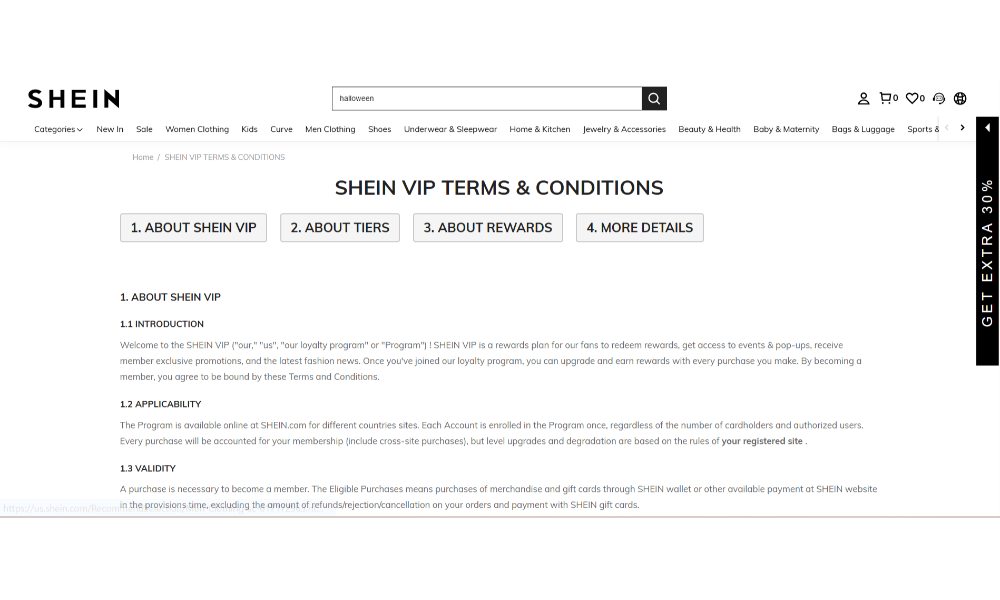
You automatically enter S1 status after your first purchase (even a $0.01 order technically qualifies). S2 requires $90 in total spending across your account lifetime. S3 (the highest tier) requires either 5 plus orders OR $300 plus in total spending. Once you hit S3, you maintain that status as long as you make at least one purchase every 12 months.
For anyone seriously asking “can I use Shein for dropshipping” as a business model, hitting S3 status happens within your first week of operations. Then the real benefits kick in.
Why This Matters for Anyone Trying to Dropship from Shein Profitably:
VIP points accumulate on every purchase. These points convert to store credit, effectively reducing your future wholesale costs. Every 100 points equals $1. When you’re buying $500 to $1,000 worth of Shein products weekly (which happens quickly once you’re processing 50 plus orders daily), those points add up shockingly fast.
Let’s do the math: $500 weekly spending equals 500 points weekly equals $5 in credit weekly. That’s $260 annually in free credit. But it gets better. Because you also earn points from other activities like leaving reviews (which you should be doing on products you test anyway), daily check ins (literally 30 seconds), and special promotions.
Experienced people doing Shein dropshipping accumulate enough points to cover entire orders, meaning their cost of goods sold drops to near zero on those transactions. One seller told us they’ve redeemed over $3,200 in points over 18 months. That’s $3,200 in pure profit they wouldn’t have captured otherwise.
Price adjustment policy gives retroactive discounts nobody explains properly. Here’s the part most guides miss entirely: if you buy a product and it goes on sale within a few days, Shein refunds the difference in points.
Let’s say you order 20 units of a trendy jacket at $15 each ($300 total). Three days later, Shein drops the price to $12 as part of a flash sale. You submit a price adjustment request through Shein’s customer service, and Shein credits your account 300 points (worth $3 per jacket you bought).
This effectively reduces your wholesale cost retroactively. Smart sellers running Shein dropshipping businesses monitor their recent orders and file price adjustment claims whenever applicable, reducing their average cost per unit by 5 to 10 percent over time.
Here’s the strategy: set a calendar reminder every Monday to check your last 7 days of Shein purchases against current prices. Takes 10 minutes. If anything dropped in price, submit adjustment requests. Most get approved within 2 to 3 business days.
Exclusive S3 promotions and faster refunds. S3 members get access to special discounts on select products (sometimes 20 to 30 percent off flash sales that non VIP members don’t even see). These appear in the VIP section of Shein’s app and website.
They also get priority processing on refunds (under 24 hours versus several days), which matters enormously when you’re dealing with customer returns or quality issues. The faster you can refund customers and reorder replacements, the less damage bad experiences cause to your reputation.
“We train our clients to treat their Shein VIP status like a business asset, not a shopping perk. One client generated over $2,400 in VIP points credits in their first year running a Shein dropshipping operation. That’s $2,400 in pure profit they wouldn’t have captured otherwise just by being strategic about a program most sellers ignore.” – Sarah Martinez, Co-founder
Using Price Adjustment Policies to Your Advantage When You Dropship from Shein
Let’s go deeper on this because it’s criminally underutilized by sellers wondering if they can dropship with Shein profitably.
Shein runs sales constantly. Flash sales, holiday promotions, category wide discounts, clearance events. When you’re buying products regularly to fulfill customer orders, chances are high that something you bought yesterday is on sale today.
The Process That Works:
- Keep a spreadsheet or use automation tools that track what you’ve ordered in the past 7 days
- Check Shein’s promotions section daily for price drops on products you recently purchased
- Submit price adjustment requests through Shein’s customer service chat or email
- Receive points credit for the difference (usually processed within 2 to 3 business days)
- Apply those points to future orders to reduce costs
When you’re processing 200 plus orders monthly for your Shein dropshipping business, this becomes significant. Let’s do realistic math: if just 20 percent of your orders qualify for price adjustments averaging $2 per item, you’re recovering $80 monthly in points. Over a year, that’s nearly $1,000 in reduced costs that most people who dropship from Shein never claim.
One seller shared that they built an entire side workflow around this. They hired a VA in the Philippines for $3 per hour whose only job was monitoring price drops and filing adjustment claims. The VA costs $480 monthly (40 hours weekly). The recovered points averaged $650 to $800 monthly. Net gain: $170 to $320 monthly just from being systematic about something most sellers ignore.
Implementing Precision Pricing That Protects Margins in Shein Dropshipping
Most beginners price products with basic markup rules: “Shein charges $10, I’ll charge $30, done.” That works until marketplace fees, ad costs, and other expenses eat your margins down to nothing. Then you realize you’re working for free.
Professional people doing Shein dropshipping use pricing calculators that account for every cost variable before setting retail prices.
Here’s what needs to be in your pricing formula if you want to dropship from Shein sustainably:
Supplier Cost (COGS): The actual price you pay Shein for the product. Remember this fluctuates constantly, so you need monitoring systems in place that adjust your prices when Shein’s prices change.
Platform Fees: Shopify charges credit card processing fees (2.9 percent plus 30 cents typically). TikTok Shop charges 3 percent plus payment processing. Amazon takes 15 percent referral fees plus fulfillment fees if you’re using FBA. eBay charges 12 to 15 percent in total fees depending on category. These percentages aren’t suggestions. They’re mandatory costs that reduce your profit whether you account for them or not.
Shipping Costs: If you’re building shipping into your product price rather than charging separately (which often converts better), this needs to be calculated. Shein’s shipping options range from free (on orders over certain thresholds) to $12.90 for Express. Know your average shipping cost per order for your typical customer.
Advertising Expenses: If you’re running Facebook ads, TikTok ads, or Google Shopping campaigns to drive traffic, you need to build customer acquisition cost into pricing. A product that costs $8 wholesale and $12 in ads to sell isn’t profitable at a $25 retail price once you factor in other fees.
Desired Profit Margin: This is your target. For Shein dropshipping, experienced sellers aim for 60 percent plus gross profit margins before expenses to ensure 20 to 30 percent net margins after all costs are paid.
The Precision Pricing Formula for People Who Dropship from Shein:
Final Retail Price equals (Supplier Cost plus Shipping plus Platform Fees plus Average Ad Spend) times Profit Multiplier
For trending products, a 3x to 4x multiplier is completely realistic. A $7 wholesale item can sell for $21 to $28 without raising eyebrows if the perceived value is there. Fashion is subjective. People pay for style, not just fabric. A trendy piece featured by influencers justifies premium pricing that basic commodity items don’t.
Example Calculation for Shein Dropshipping:
Product Cost on Shein: $8.50 Shipping (averaged across orders): $2.00 Platform Fees (Shopify at 3 percent): $0.50 Target Ad Spend per Sale: $5.00 Total Base Cost: $16.00
Using a 3x multiplier: $16 times 3 equals $48 retail price Your gross profit per sale: $32 After all costs: $32 minus $16 equals $16 net profit per sale Net margin: 33 percent
That’s a healthy, sustainable margin that accounts for returns, customer service time, and operational overhead.
Use pricing calculator tools (many are available for free online, or platforms like AutoDS include them built in) to remove guesswork. Input your specific platform fees (they vary by channel), desired margin, and the calculator spits out the optimal retail price that protects profitability.
Combining All Incentives for Maximum Margin in Your Shein Dropshipping Business
Here’s where it gets fun. You stack everything.
You’re enrolled in Shein’s VIP program collecting points on every purchase. You’re monitoring for price adjustments and claiming points when items go on sale. You’re using precision pricing to ensure healthy margins even after accounting for all fees. You’re tracking competitor pricing to adjust dynamically and stay competitive without racing to the bottom.
This compounding effect is what separates six figure Shein dropshipping operations from hobby stores making $500 monthly. The former treat profit optimization as a system; the latter treat it as luck.
But all the profit optimization in the world won’t help if you get suspended for policy violations. Let’s talk about compliance and the legal landmines you absolutely need to avoid when figuring out if you can dropship from Shein safely.
Making Dropshipping Payments Work
Shein dropshipping means you’re constantly moving money between your sales channels and your Shein supplier account. You’re collecting payments from customers on your Shopify store or through Amazon and eBay, then paying Shein for the products they ship. As you scale across multiple sales channels, this payment coordination gets complicated fast, especially when customers are paying in different currencies and you need to time your Shein payments strategically.
The currency situation in dropshipping is particularly tricky. Customer in Germany pays you in euros. Customer in Canada pays in Canadian dollars. Customer in Australia pays in Australian dollars. But Shein wants to be paid in specific currencies depending on where they’re shipping from. Your payment processor is automatically converting everything at their rates, taking 2.9% plus 30 cents per transaction, and you have no control over when conversions happen. Over thousands of transactions, those fees compound into serious money.
Payoneer’s multi-currency account lets you hold funds in multiple currencies and convert them strategically. Customer paid you in euros? Hold those euros. When you need to pay Shein and the exchange rate is favorable, convert then.

You’re not forced into conversions at bad rates just because your payment processor decides it’s time. This matters in dropshipping where margins are typically 15% to 25%. Saving even 1% on currency conversions can mean the difference between a profitable operation and one that barely survives.
If you’re running stores on multiple platforms simultaneously, Shopify, WooCommerce, selling on Amazon and eBay, the Payoneer Checkout feature processes customer payments across all channels and consolidates everything. Instead of managing Stripe for Shopify, PayPal for eBay, Amazon Payments for FBA, you’ve got one payment system handling everything.
The fee structure is usually more favorable too, around 1.5% flat instead of the typical 2.9% plus transaction fees. When you’re processing $50,000 monthly in dropshipping sales, that fee difference saves you about $700 per month. That’s money you can reinvest into ads or use to actually pay yourself instead of handing it to payment processors.
Compliance Branding and Legal Safeguards That Keep Your Shein Dropshipping Business Running
Scaling a business where you dropship from Shein (especially on marketplaces like Amazon, eBay, or Etsy) means navigating compliance rules that can shut you down if ignored.
Here’s the uncomfortable truth: most dropshipping guides gloss over these issues because they’re complicated and not particularly sexy. But understanding marketplace policies, copyright law, and branding restrictions is the difference between a business that lasts years versus one that gets banned within months.
This matters whether you’re just starting to dropship from Shein or already processing hundreds of orders. One violation can wipe out your entire operation.
What’s the Branded Packaging Dilemma in Shein Dropshipping
The Problem:
Shein ships all orders in branded packaging. Boxes, poly mailers, stickers. Everything carries Shein branding. For Shopify stores or platforms with relaxed policies, this is annoying but not fatal. Customers might be confused receiving a Shein branded package from “YourCoolStore.com,” but they’ll probably still keep the product.
On Amazon? It’s a strict policy violation. Amazon’s dropshipping policy explicitly states that sellers must be the seller of record on all packing slips, invoices, and external packaging. Receiving Shein branded packages violates this rule and will result in listing suspensions or account termination.
Similar issues exist on eBay (where customers expect your brand, not a third party) and Etsy (where handmade/curated branding is part of the value proposition).
We found multiple forum threads where sellers got suspended from Amazon specifically because customers complained about receiving Shein packages when they thought they were buying from an independent seller. Amazon’s automated systems flag this quickly.
Solutions That Actually Work for Shein Dropshipping:
Branding Removal via Automation Tools: Advanced dropshipping platforms like AutoDS offer branding removal services. The system intercepts orders before they ship, removes original packaging, and uses neutral or custom branded packaging instead. This costs extra per order (usually $1 to $3), but it keeps you compliant on strict marketplaces.
One seller told us they ate the branding removal cost for six months while building their Amazon presence, then transitioned successful products to white label suppliers once they had data proving demand. Branding removal acted as a bridge strategy.
Sourcing Requests for Unbranded Suppliers: If branding removal isn’t available or cost effective, submit a Sourcing Request through your automation platform. You provide the product details, and the platform finds alternative suppliers who offer identical or similar items with unbranded shipping options. This takes longer to set up initially but solves the compliance issue permanently.
Warehouse Interception and Repackaging: Some people running Shein dropshipping operations route orders through third party prep centers or fulfillment warehouses. Shein ships to the warehouse, workers remove branding and repackage in your branded materials, then forward to the customer. This adds 3 to 7 days to fulfillment time and costs $3 to $5 per order, but it’s the most thorough solution for serious brand building.
Pro Tip: Always order sample products to your own address first to verify packaging and branding before selling at scale on any platform when you’re testing whether you can dropship from Shein successfully. Discovering a compliance issue after processing 100 orders is exponentially more expensive than catching it during testing.
The Golden Rule That Cannot Be Broken When You Dropship from Shein (Copyright Strategy)
The Problem:
Shein’s product photos and model images are copyrighted intellectual property. Using them directly in your listings is copyright infringement. Full stop. Marketplaces like Amazon, Shopify, eBay, and Etsy all have automated systems that detect duplicate images. When caught, you face:
- Immediate listing takedowns
- Account warnings or suspensions
- Legal notices from Shein or original photographers
- Loss of credibility and sales
- Potential legal liability depending on scale
This isn’t theoretical. Copyright strikes happen daily to people who dropship from Shein and ignore this rule. We saw dozens of forum posts from sellers who lost entire stores because they assumed “everybody does it” meant it was safe.
Solutions That Work:
Order Samples and Shoot Your Own Photos: This is the gold standard. Purchase the product, set up simple lighting (even just natural window light works), and photograph it yourself. You can use your phone if the quality is decent. These original photos belong to you, protect you legally, and often convert better than Shein’s generic images because they feel more authentic.
One seller mentioned they bought a $40 ring light and a $15 backdrop from Amazon. Total investment under $60. They photograph 5 to 10 products per session in about an hour. Their conversion rates actually increased 15 percent compared to when they used edited Shein photos because customers trust original content more.
Heavy Editing of Non Model Images: If ordering samples isn’t feasible immediately when you’re starting to dropship from Shein, take Shein’s product only photos (never model shots) and heavily edit them. Remove backgrounds entirely. Change colors or add graphics using tools like Canva or Photoshop. Add text overlays or branding elements. The goal is to transform the image enough that it’s no longer recognizable as Shein’s original work.
Use AI background removal tools (remove.bg, Photoshop’s AI features) to extract the product and place it on completely different backgrounds. This creates visually distinct images that serve the same purpose while reducing copyright risk.
Avoid Branded or Licensed Items Completely: Do not (under any circumstances) dropship items with recognizable logos, characters, or intellectual property. Warner Brothers characters, Disney properties, band merchandise, sports team logos. These are instant violations that will destroy your store and could lead to legal action.
Shein itself sometimes sells licensed products. Don’t assume that because Shein lists it, you’re safe to resell it. You’re not. Stick to generic fashion items without trademarked elements.
Pro Tip: Create a “copyright compliance checklist” you review before adding any product to your Shein dropshipping store. Questions to ask: Does this product feature any licensed characters or brands? Am I using original photos or heavily edited ones? Have I verified Shein owns the design rights? If there’s any doubt, skip the product.
Regulatory Watch and Preparing for Policy Changes That Affect Shein Dropshipping
The Problem:
Global eCommerce regulations are evolving rapidly, particularly around low value import exemptions. Currently, many countries allow packages under certain value thresholds to enter duty free. In the US, this threshold is $800 (de minimis exemption). Shein leverages this by shipping items individually at low declared values to avoid customs fees.
However, governments are reviewing these policies. The US has considered legislation that would eliminate or reduce the de minimis threshold, meaning Shein packages could face import duties and taxes. If this happens, your costs increase overnight, and profit margins evaporate unless you adjust pricing.
Regulatory changes are increasingly likely as governments seek to close tax loopholes and level the playing field for domestic retailers. Anyone asking “can I dropship with Shein” long term needs to monitor this closely.
Solutions for Future Proofing Your Shein Dropshipping Business:
Stay Updated on Trade Policy: Follow eCommerce news sources, subscribe to industry newsletters (Shopify’s blog, AutoDS updates, relevant trade publications), and monitor customs agency announcements in your target markets. When regulations change, you’ll need to adjust pricing immediately to maintain margins.
Set up Google Alerts for terms like “de minimis threshold,” “Shein customs,” and “ecommerce import regulations” to get notifications when news breaks.
Transparent Customer Communication: On your product listings and shipping policies, clearly state expected delivery times and note that international orders may be subject to customs duties depending on local regulations. This sets expectations and reduces complaints if policies change.
Diversified Shipping Options: Consider using Shein’s regional warehouses (US, EU, Asia) strategically to minimize exposure to international shipping regulations. Products shipped domestically within the US face fewer regulatory risks than items crossing international borders.
Build Customs Duties into Pricing: When selling internationally, calculate potential customs fees into your retail price. Better to have slightly higher prices that protect your margin than to eat unexpected costs when regulations tighten.
Pro Tip: If regulatory changes hit your primary market this year in 2026, pivot quickly. Sellers who adapted to policy shifts (like when eBay tightened dropshipping rules in 2019 or when Amazon changed third party seller requirements in 2020) survived; those who didn’t disappeared. Flexibility matters more than stubborn commitment to a single strategy when you’re trying to dropship from Shein sustainably.
“The biggest mistake we see is sellers treating compliance as optional until they get suspended. By then, it’s too late. Build compliance into your operations from day one. It’s insurance that pays for itself the first time you avoid a policy violation that would have cost you your account and entire revenue stream.” – Marcus Chen, Founder
Now that compliance is covered, let’s talk about the operational logistics that separate amateurs who can barely dropship from Shein from professionals who scale to six figures.
Advanced Logistics and Customer Service for Shein Dropshipping That Separates Winners from Everyone Else
Most guides about Shein dropshipping stop at “set up shop and start selling.” That’s like a cooking show that ends when ingredients hit the pan. The real work (the part that determines success or failure) happens in operations.
Let’s talk about logistics, customer service, and the operational realities that either make or break businesses when people try to dropship from Shein at scale.
Setting Precise Shipping Expectations The Numbers That Actually Matter for Shein Dropshipping
Here’s a scenario every person doing Shein dropshipping faces: customer orders on Monday. They check tracking on Wednesday and freak out because nothing’s happened. They email you demanding updates. You check Shein and see “processing.” More emails arrive. Customer threatens a chargeback. Finally, the order ships on Thursday, but now the customer’s already annoyed and leaves a mediocre review even though the product arrives fine.
This happens because most sellers don’t communicate accurate timelines upfront when they start to dropship from Shein.
Shein’s Actual Processing and Shipping Breakdown:
Processing Time: 1 to 3 days. This is how long Shein takes to pick, pack, and hand off to the shipping carrier. It’s not part of shipping time. It happens before shipping begins. Most customers don’t understand this distinction, which creates frustration.
Shipping Options and Transit Times:
Economic: 20 to 40 days. Cheapest option. Essentially boat shipping. Suitable only for customers who explicitly accept long waits and are price sensitive above all else.
Standard: 15 to 25 days. Mid tier option. Still slow by western eCommerce standards but significantly faster than economic.
Express: 3 to 7 days. Premium option. Costs more ($12.90 plus depending on package weight and destination) but delivers quickly enough to meet modern customer expectations shaped by Amazon Prime.
Total Timeline equals Processing plus Shipping.
If you select Standard shipping for your Shein dropshipping orders, customers should expect 18 to 28 days total (3 days processing plus 15 to 25 days transit). If you select Express, expect 4 to 10 days total.
This is critical for anyone asking “can I use Shein for dropshipping” on platforms where delivery speed matters. Amazon customers expect fast delivery. Anything over 10 days triggers complaints and metrics hits that tank your seller performance.
What This Means for Your Listings:
Your product pages need to clearly state expected delivery dates, not generic “ships in 2 to 3 weeks” language. Use specific date ranges calculated from order date:
“Estimated Delivery: January 15 to 25” (if order placed January 1)
This precision reduces customer anxiety and cuts customer service inquiries by half. People don’t mind waiting if they know what to expect. They mind uncertainty. One seller told us that adding specific delivery date ranges to product pages reduced “where’s my order?” emails by 64 percent.
Pro Tip: If you’re trying to dropship from Shein to Amazon, Express shipping is virtually mandatory. Amazon customers expect fast delivery, and anything over 10 days triggers complaints and metrics hits that tank your seller performance. Budget Express shipping costs into your pricing or don’t sell on Amazon.
Understanding Non Returnable Categories The Policy Nobody Warns You About in Shein Dropshipping
Shein has specific product categories that cannot be returned under any circumstances. If you’re selling these items when you dropship from Shein, you need to account for this in your own return policy or you’ll be eating costs when customers demand refunds.
This is information buried deep in Shein’s terms that most sellers never read until they face their first return dispute.
Items That Cannot Be Returned to Shein:
Bodysuits and lingerie (hygiene reasons) Jewelry and accessories (some categories, not all) Beauty products and cosmetics (hygiene reasons) Pet supplies (hygiene reasons) Swimwear (in most regions, hygiene reasons)
Why This Matters for Shein Dropshipping:
Let’s say you’re trying to dropship from Shein and you sell a $15 lingerie set. Customer receives it, doesn’t like the fit, and requests a return under your 30 day return policy that you advertised to match competitors. You accept the return because you want good reviews and repeat business. Customer ships it back to you. Now you’re stuck with the product because Shein won’t accept returns on lingerie.
You just lost $15 plus return shipping costs. Maybe $20 total loss on a sale that generated $8 profit initially. That’s how you go backwards quickly.
Solutions:
Clearly State No Returns on These Categories: Your product descriptions and store wide policies should explicitly note that certain categories (hygiene items, intimate apparel, beauty products) are final sale. This is standard across eCommerce and customers generally accept it when clearly stated upfront.
Offer Exchanges Instead of Refunds: For items that can’t be returned to Shein, offer store credit or exchanges for different products. This keeps revenue within your store and avoids eating the full loss. “We can’t accept returns on intimates due to hygiene standards, but we’d love to offer you store credit to find something you’ll love!”
Factor Higher Risk into Pricing: Non returnable items should have slightly higher margins to account for the occasional total loss when customers dispute charges or leave negative reviews despite your policies. If standard products have 25 percent margins, non returnable items should target 30 to 35 percent.
One seller mentioned they stopped selling beauty products through their Shein dropshipping business entirely after three chargeback disputes ate all their profits. Not worth the hassle when other categories offer similar margins without the risk.
Customer Service Timeliness That Builds Trust in Your Shein Dropshipping Business
Fashion eCommerce is competitive. The difference between a customer becoming a repeat buyer versus leaving a bad review often comes down to response time on basic inquiries.
This matters enormously for anyone trying to dropship from Shein successfully because your competitors likely have similar products at similar prices. Service becomes your differentiator.
The 24 Hour Rule:
Respond to every customer inquiry within 24 hours. Not “when you have time.” Within one day, maximum. Ideally within 2 to 4 hours during business days.
This isn’t just customer service. It’s revenue protection. A customer who emails “where’s my order?” and waits three days for a response is much more likely to file a chargeback, leave a bad review, or demand a refund than a customer who gets a thoughtful response within a few hours.
Common Customer Service Scenarios and Response Templates for Shein Dropshipping:
“Where is my order?” Response: “Thanks for reaching out! I just checked your tracking. Your order is currently [processing/in transit] and expected to deliver by [specific date]. Here’s your tracking link: [URL]. Let me know if you have any other questions!”
Keep it positive, specific, and actionable. Don’t be defensive even if the customer’s tone is demanding.
“This doesn’t fit / I don’t like it / wrong item” Response: “I’m sorry this didn’t work out! We want you to be happy with your purchase. [If returnable:] Here’s our return process: [link]. [If non returnable:] Unfortunately, [specific item category] items are final sale per our policy, but I’d love to offer you store credit to find something else you’ll love. Would that work?”
Acknowledge the issue, show empathy, provide solutions. Never argue about product quality even if the customer’s expectations were unrealistic. Fix the problem or offer a refund. Damaged customer relationships cost more than individual refunds.
“This looks different from the photo” Response: “I apologize for the discrepancy. Fashion items can sometimes photograph differently due to lighting and screen settings. If you’re not satisfied, we absolutely want to make it right. Would you prefer a refund or exchange for a different style?”
Never argue. Fix the problem. One seller cut their average response time from 6 hours to 45 minutes just by implementing Gorgias, which pulled customer order history automatically into support tickets.
Now let’s discuss something most guides never mention but becomes critical at scale: infrastructure for running multiple stores safely when you dropship from Shein.
Infrastructure for Multi Store Scaling Without Getting Banned When You Dropship from Shein
For advanced sellers figuring out how to profitably dropship from Shein, running multiple stores (whether targeting different niches, regions, or platforms) can significantly boost revenue.
But here’s the problem nobody warns you about: platforms like Shopify, Facebook, and Google actively monitor for users operating multiple accounts from the same device. When detected, they link your accounts, and you risk mass suspensions that wipe out your entire operation overnight.
This isn’t paranoia. It happens regularly to people who scale their Shein dropshipping businesses naively without proper infrastructure. We found forum threads where sellers lost $30,000 plus monthly revenue in a single day because all their stores got linked and suspended simultaneously.
Understanding the Multi Account Risk in Shein Dropshipping Operations
Platforms track device fingerprints, browser cookies, IP addresses, and login patterns. When multiple “different” stores all log in from the same computer using the same browser, the platform’s algorithms detect the pattern and flag the accounts as connected.
Why Platforms Care:
Some sellers use multiple accounts to evade bans or manipulate systems (review fraud, promotional abuse, etc.). Platforms default to suspicion when they detect this behavior. Even if you’re running multiple legitimate businesses trying to dropship from Shein across different niches, the automated systems may treat you like a bad actor.
What Happens When Accounts Get Linked:
Account suspension or permanent bans across all linked accounts Loss of ad accounts if using Facebook or Google Ads across multiple stores (this is devastating because rebuilding ad account history takes months) Frozen funds if payment processors detect suspicious patterns Irreversible data loss if you lose access to entire stores simultaneously Forfeiture of inventory and customer relationships built over months or years
The financial impact can be devastating. Imagine building three profitable Shopify stores for your Shein dropshipping business, only to have all three suspended because they’re linked to the same Google Ads account managed from the same laptop.
Isolated Browser Profiles as the Core Solution for Multi Store Shein Dropshipping
Professional multi store operators use isolated browser environment tools. These create completely separate browser sessions with unique device fingerprints, cookies, and cache for each store.
How Isolated Browsers Work:
Tools like Multilogin, Ghost Browser, and GoLogin allow you to create multiple browser profiles that appear to platforms as completely different users. Each profile has:
Unique device fingerprints (screen resolution, hardware specs, fonts, plugins) Separate cookies and cache (no cross contamination between accounts) Independent session management (you can run all profiles simultaneously) Distinct browser histories and saved passwords
From the platform’s perspective, Store A managed in Profile 1 and Store B managed in Profile 2 look like they’re operated by completely different people on completely different computers in potentially different locations.
Example Setup for Shein Dropshipping:
Profile 1: Streetwear store targeting Gen Z, managed through isolated browser session with US residential proxy Profile 2: Women’s professional attire store targeting 30 to 45 demographic, separate browser session with different IP Profile 3: Festival/rave fashion store, separate session and IP Profile 4: Plus size fashion focusing on body positivity niche, separate session
All four stores can run simultaneously on your single laptop without any risk of platform linking. You can dropship from Shein for all of them safely.
Best Practices for Safe Multi Store Management When You Dropship from Shein
Unique Emails and Payment Methods: Each store should have its own dedicated email address (use Gmail aliases or different providers entirely), its own Shopify account, and ideally its own payment processing account. The goal is complete operational separation.
Don’t use payments@yourname.com for all stores. Use store1@email.com, store2@email.com, etc.
IP Management: Use reliable VPNs or dedicated residential proxies aligned with each store’s target region. If you’re running a US focused store trying to dropship from Shein, use a US IP consistently for that store’s management. Don’t jump between countries because platforms flag VPN hopping as suspicious.
Residential proxies are better than datacenter VPNs because they look like real users. Services like Bright Data or Smartproxy offer this.
Avoid Cross Login: Never log into multiple stores in the same regular browser, even if you think you’ve logged out of one. Cookies and tracking pixels can persist across sessions. Use isolated browser profiles exclusively for store management.
One seller told us they got three stores linked because they logged into all three using Chrome incognito tabs on the same computer within the same hour. Incognito mode doesn’t protect you from device fingerprinting.
Monitor Account Health Regularly: Check each store’s account status, payment processing health, and platform warnings weekly. Catching issues early prevents cascade failures where one store’s problem spreads to others.
Set up a simple spreadsheet tracking each store’s key metrics: account status, last login, payment issues, policy warnings, etc.
Advantages of Structured Multi Store Operations for Shein Dropshipping
Niche and Regional Targeting: Run stores optimized for specific audiences or products. Your yoga apparel store can target fitness enthusiasts with messaging that doesn’t work for your gaming merch store. Segment and conquer.
When you dropship from Shein across multiple niches, you can test what works without diluting any single brand’s identity.
Revenue Diversification: Reduce reliance on a single store or platform. If one store has a slow month or faces issues, your other stores continue generating revenue. This is business resilience.
One seller mentioned that when TikTok banned certain product categories unexpectedly, they lost 40 percent of revenue from one store but still maintained profitability across their other three stores. Without diversification, that ban would have been catastrophic.
Operational Flexibility: Test new products, niches, or marketing strategies in one store without risking your main revenue source. Want to try TikTok Shop? Launch a dedicated store for it rather than pivoting your established Shopify operation.
Integrating Shein Dropshipping Across Multiple Stores Safely
When running multiple operations trying to dropship from Shein:
Assign unique isolated browser profiles to each store. Never manage Store A and Store B from the same browser session. Ever.
Use automation tools independently per store. Connect each Shopify store to AutoDS separately. Configure fulfillment settings per store to avoid mixing orders or inventory.
Ensure compliance with Shein’s policies across all stores. Branding removal, copyright safeguards, and quality control apply universally. Don’t cut corners on one store just because it’s smaller or newer.
Pro Tip for Long Term Growth: Use Shein as a launchpad for product testing across multiple stores. Once you identify high performing products that consistently sell well when you dropship from Shein, transition those winners to brand friendly suppliers (like CJ Dropshipping or NicheDropshipping) who offer better control, faster shipping, and custom packaging. Maintain Shein for new product testing and trend validation while building sustainable brand assets with better suppliers.
This hybrid approach gives you Shein’s speed and pricing for testing with the operational quality of professional dropshipping suppliers for scaling. It’s like having a testing lab (Shein) that feeds your production line (quality suppliers).
“We’ve seen sellers build six store operations each generating $15,000 to $30,000 monthly by treating multi store infrastructure as seriously as product selection. The sellers who skip this step and try to scale carelessly rarely make it past their first suspension. Infrastructure isn’t sexy, but it’s what separates sustainable businesses from temporary side hustles.” – Sarah Martinez, Co-founder
Now let’s discuss the products actually worth selling and how to find winners consistently when you dropship from Shein.
Best Selling Shein Dropshipping Products and How to Find Winners Consistently
Product selection makes or breaks Shein dropshipping. You can have perfect automation, airtight compliance, and flawless customer service, but if you’re selling products nobody wants, you’re just efficiently losing money.
Here’s how professionals find winners and avoid wasting time on products that don’t sell when they dropship from Shein.
Using Shein’s Built In Trend Signals Plus Google Trends for Product Research
Shein updates its catalog daily with hundreds of new products. This creates massive opportunity but also noise. You need filtering systems to identify what’s actually worth testing when you want to dropship from Shein profitably.
“New In” Section: This is your primary hunting ground for trending items. Shein’s merchandising team isn’t random. They promote items they believe will perform based on fashion forecasting, social media trends, and early sales data. Browse this section daily and look for:
Items with 4 plus star ratings despite being recently added (indicates strong early reception) Products with high review counts for new items (100 plus reviews on a 2 week old product signals viral potential) Styles appearing repeatedly across different categories (if oversized blazers show up in women’s, men’s, and plus size simultaneously, it’s a coordinated trend push)
“Best Seller” Section: These are proven performers. The downside? So is everyone else looking here. Your competition is highest on bestsellers. Use this section to understand what’s working generally, then find similar but less saturated alternatives.
For example, if cable knit sweaters dominate bestsellers, don’t list the exact same $12 sweater everyone else is selling when they dropship from Shein. Find similar cable knit styles in different colors, lengths, or with unique details (toggle buttons, hooded versions, color blocking). You get the trend momentum without the pricing wars.
Trending Brands Section: Shein highlights emerging brands and styles here. These often have less competition than bestsellers but strong demand curves. Test these earlier in their lifecycle for better margins.
Validating Trends with Google Trends Before You Dropship from Shein
Shein shows you what’s currently selling. Google Trends shows you if demand is growing, stable, or declining.
How to Use Google Trends for Product Validation:
- Identify a product category from Shein (example: “cargo pants”)
- Search Google Trends for the term over the past 12 months
- Look at the trend curve: Rising steadily or spiking? Strong signal. Demand is increasing. List these products. Flat and stable? Evergreen demand. Safe bet for consistent sales. Declining sharply? Pass. The trend peaked and you’re late. Don’t bother trying to dropship from Shein on dying trends.
- Check regional interest to see if demand aligns with your target market
For example, “cottage core dresses” might be trending nationally but show strongest interest in the Pacific Northwest and Northeast US. If those aren’t your primary markets, the trend matters less for your specific business.
Cross reference social media: Search TikTok and Instagram using product related hashtags. If #cargopants has 500M plus views and recent posts are blowing up, Google Trends data is confirmed. If hashtag activity is dead despite Shein selling the item, it’s a false signal (probably just Shein trying to push inventory).
The Anti Saturation Strategy for Shein Dropshipping Success
Most beginners make the same mistake: they see a product crushing it on Shein, copy it exactly, and wonder why sales are mediocre when they try to dropship from Shein.
The issue isn’t the product. It’s that 200 other people had the same idea.
How to Profit from Trends Without Saturation:
Find Variants: If oversized graphic tees are trending, don’t sell the exact tee everyone’s selling. Find slightly different versions: different graphics, unique color combos, longer hemlines, cropped cuts. You ride the trend wave but avoid direct competition when you dropship from Shein.
Bundle Products: Instead of selling a single trending item, create bundles. Trending leather jacket plus matching belt plus coordinating scarf equals higher AOV (average order value) and perceived value that justifies premium pricing. Bundles also reduce comparison shopping since your offer becomes unique.
Target Underserved Sizes: Shein has plus size, petite, and tall sections. If a style is trending in standard sizes, check if it exists in extended sizes. That might be your blue ocean (strong demand, low competition).
Go One Trend Deeper: When everyone’s selling the obvious trend, find the next evolution. If Y2K fashion is saturated, look for emerging aesthetics referenced in fashion blogs and TikTok “next big trend” content (search “fashion trends 2026” on TikTok to see what influencers are predicting). Early movers on emerging trends win.
Products Currently Performing Well for Shein Dropshipping in 2026
Based on current search volume, social signals, seller interviews, and market data, these categories are performing strongly for sellers trying to dropship from Shein:
Cable Knit Sweaters for Men and Women: Joined the quiet luxury trend in fall 2025 and showing sustained demand through 2026. Unisex appeal expands target demographics. Broad age range from teens to mature audiences. Seasonal peak in fall/winter but with year round variants (lightweight spring knits).
Average wholesale cost: $11 to $16. Typical retail price: $32 to $45. Margins: 25 to 35 percent.
Yoga Tights and Activewear for Females: Yoga pants have made a leap from being a niche product to an absolute must have. Not only does it have perennial demand, but its versatility ensures that it gets repurchased throughout the year and worn on multiple occasions (gym, casual wear, work from home attire).
Average wholesale cost: $7 to $12. Typical retail price: $22 to $35. Margins: 28 to 38 percent. Low return rates when sizing charts are accurate makes this ideal for Shein dropshipping.
Oversized Pants: Oversized pants are an absolute comfort statement. It’s considered a style typically welcomed by GenZ consumers, and gradually it became a wardrobe staple for remote workers. The style is going nowhere as long as the world prioritizes comfort over formality. The lenient size restriction reduces return/replacement hassles leading to hassle free logistics when you dropship from Shein. There are one size fits all pieces that reduce excessive stock keeping units. Finally, the inclusive appeal creates a broader target audience for resellers to leverage.
Ruffled Dresses: We see spikes of enthusiasm in buyers over certain intervals. Although this only caters to a specific demographic (16 to 35 years female identifying), it’s a statement piece and the style remains classic all across seasons depending upon its prints and fabric weight.
Shackets (Shirt Jackets): It’s a seasonal trend marrying functionality with convenient clothing. It’s an emerging style mostly made of cost effective materials such as flannel, wool blends, denim, etc. that lowers production costs. This affordability helps ease bulk buying expenses, increase profit margins, and reduce per unit costs when you dropship from Shein. Moreover, it reduces shipping costs as these versatile clothing pieces are made to be lightweight compared to actual jackets.
Statement Accessories: Chunky jewelry, oversized sunglasses, bucket hats, mini bags. High perceived value relative to cost. Lower shipping costs due to smaller size. Fewer fit issues than clothing (almost no returns). This is where new sellers should start when they first try to dropship from Shein because it’s low risk, decent margins, fast turnover.
Pro Tip: Don’t just list products passively when you dropship from Shein. Test 10 to 15 products simultaneously, monitor which ones get clicks and add to carts even without sales, and double down on those. Kill underperformers fast (within 7 to 10 days if there’s zero traction). This constant testing and iteration is how you build a profitable product catalog.
One seller we worked with tested 50 products in their first month of trying to dropship from Shein, cut 35 that showed no promise, scaled the 15 that got engagement, and ended up with 5 true winners generating 80 percent of revenue. That’s normal. Most products fail. Your job is finding the ones that don’t.
Comparing Shein Dropshipping to Alternative Suppliers
If you’re evaluating whether you should dropship from Shein or use alternative suppliers, here’s an honest comparison based on actual operational experience.
| Feature | Shein | AliExpress | Alibaba | Temu | CJ Dropshipping |
| Target Audience | Fashion focused buyers | Frugal customers seeking variety | Businesses needing wholesale | Frugal customers, primarily US/EU | Dropshipping businesses |
| Product Focus | Fast fashion clothing accessories appliances home decor | Broad range across all niches | B2B wholesale platform for bulk orders | Affordable products across categories | B2B wholesale platform for dropshippers |
| Shipping Speed | Fast due to global warehouses 3 to 7 days Express, 15 to 25 Standard | Lengthy, can take up to 45 days free shipping | Lengthy for low volume orders, faster for bulk | Slow transit for international 20 to 40 days | Faster due to local warehouses 5 to 15 days typical |
| Quality Control | Better quality control with consistent sourcing | Varies widely due to multiple independent vendors | Varies widely due to multiple vendors, requires vetting | Varies widely, newer platform less track record | Strict quality control with verified suppliers |
| Pricing | Moderate higher than Alibaba bulk but lower than retail | Variable depends upon products and sellers | High due to minimum order requirements for best pricing | Low to moderate, aggressive promotional pricing | Variable depends upon products and suppliers |
| Branding Options | No custom packaging by default major limitation | Some suppliers offer custom packaging | Custom packaging available for bulk orders | No custom packaging | Full custom packaging and private labeling available |
| Dropshipping Support | No official support gray area usage | Established dropshipping ecosystem | Not designed for dropshipping B2B wholesale focus | No official dropshipping program | Designed specifically for dropshippers |
| Best For | Testing fashion trends quickly, fashion focused stores | General product variety across niches | Bulk orders and private label manufacturing | Budget conscious consumers less ideal for dropshipping | Professional dropshipping operations needing reliability |
When to Use Shein: Product testing, trend validation, fashion niches where speed to market matters more than branding.
When to Transition Away: Once products prove successful and you want better branding, faster shipping, or higher perceived quality. Use CJ Dropshipping or similar platforms for winners while keeping Shein for testing new products when you dropship from Shein.
Frequently Asked Questions
Does Shein Allow You to Dropship?
Shein doesn’t officially support dropshipping. There’s no Shein dropshipping program or dedicated portal with special pricing. However, they don’t explicitly ban it either. The gray area exists because Shein operates as a B2C retailer selling to consumers, but nothing prevents you from being a repeat customer who buys products and has them shipped to different addresses. You can use Shein as a supplier for your business as long as you follow their terms: don’t use their copyrighted images, don’t violate their intellectual property, and operate as a legitimate business. Think of it like reselling products you buy from any retail store. Legal, just without official endorsement. When people ask “can you dropship from Shein,” the answer is yes with proper compliance.
Is Shein Good for Dropshipping?
Shein works well if you understand the limitations. Pros: Massive product catalog with 600,000 plus items, rock bottom wholesale prices creating viable margins, global warehouse network for faster shipping than typical Chinese suppliers, no minimum order quantities enabling product testing, daily inventory updates keeping pace with fashion trends. Cons: Branded packaging (which violates some marketplace policies like Amazon), copyright restrictions on images requiring you to shoot your own photos, inconsistent quality on some items, longer shipping times than Amazon Prime trained customers expect. It’s best suited for product testing, trend validation, and fashion niches where customers accept longer delivery times. Not ideal for building long term branded businesses without eventual transition to better suppliers. Is Shein good for dropshipping? Yes, with the right systems and realistic expectations when you try to dropship from Shein.
Can I Buy Stuff Off Shein and Sell It?
Yes, you can purchase products from Shein and resell them. This is basic retail arbitrage, which is completely legal. The catch is you cannot use Shein’s product photos or copyrighted content in your listings because that’s intellectual property infringement. You need to order samples, take your own photos, and write original descriptions. You also can’t market products as “Shein products” or use Shein’s branding in your marketing because that’s trademark infringement. But buying items at Shein’s prices and reselling them at markup? Completely legal as long as you follow intellectual property laws and any applicable business regulations in your jurisdiction. When people ask “can I buy stuff off Shein and sell it,” the answer is yes with proper copyright compliance.
How to Start Dropshipping with Shein?
Quick setup process: Create a Shein buyer account (not a Shein dropshipping account, as those don’t exist, just a regular customer account). Set up an online store using Shopify, WooCommerce, or a selling channel like eBay or TikTok Shop. Find trending products on Shein with good reviews and margins by browsing “New In,” “Best Seller,” and “Trending” sections. Import products using automation tools like AutoDS or manually with original photos and descriptions (never use Shein’s copyrighted images). Set retail prices with 3x to 4x markup to ensure profitability after fees. When orders come in, purchase from Shein using customer’s shipping address. Shein ships directly. You keep the profit. For automation and scaling when you want to dropship from Shein, integrate tools like AutoDS with Fulfilled by AutoDS functionality to handle order processing, stock monitoring, and tracking updates automatically without sharing banking credentials.
Is It Illegal to Buy from Shein and Resell?
No, buying and reselling Shein products is not illegal. Retail arbitrage is a legitimate business model protected under first sale doctrine. What’s illegal is copyright infringement (using Shein’s photos, violating their intellectual property, or misrepresenting products). As long as you: (1) Take your own photos or heavily edit non model images to create transformative work, (2) Write original descriptions, (3) Don’t claim products are Shein branded in your marketing, (4) Operate a legitimate business with proper tax registration, you’re operating legally. Many platforms have specific dropshipping policies, so check marketplace rules too, but the resale itself is legal. When people ask “is it illegal to buy from Shein and resell,” the answer is no if done correctly with proper compliance.
Can I Dropship from Shein to Shopify?
Yes, Shein to Shopify dropshipping is one of the most popular setups for sellers asking if they can dropship from Shein to Shopify. You create a Shopify store, add Shein products (using your own photos and descriptions to avoid copyright issues), and when customers order, you fulfill through Shein. The process works smoothly with automation tools like AutoDS that integrate with Shopify to handle product importing, inventory syncing, automatic orders, and tracking updates. Shopify doesn’t prohibit dropshipping, and Shein’s lack of explicit ban means this combination is viable as long as you follow both platforms’ terms of service. Shopify even has an entire ecosystem of dropshipping apps designed to make this easier when you want to dropship from Shein.
Can You Make $1,000 a Month Dropshipping from Shein?
Yes, $1,000 monthly profit is achievable and relatively realistic for sellers who execute properly. Math: If your average profit per sale is $10 to $15 (after all fees and costs) and you’re selling products priced $25 to $40, you need 67 to 100 sales monthly to hit $1,000 profit. That’s 2 to 3 sales per day. Totally doable with decent product selection, basic marketing (even organic social media works), and proper automation. Many sellers reach this milestone within 2 to 4 months when they learn how to dropship from Shein effectively. Scaling beyond $1,000 requires better systems, advertising budget, and operational efficiency, but the initial milestone isn’t out of reach for beginners willing to learn. Can you make $1000 a month dropshipping? Absolutely, and many exceed this significantly when they dropship from Shein.
Can I Resell Shein on Amazon?
Technically yes, but with major caveats. Amazon’s dropshipping policy requires that you are the seller of record on all packing slips and external packaging. Shein ships in branded packaging, which violates this policy. Solutions: Use automation tools that offer branding removal services (AutoDS provides this for an additional fee per order). Route orders through prep centers that receive shipments, remove Shein branding, and repackage before forwarding to customers. Or source identical products from unbranded suppliers instead when you try to dropship from Shein directly. Without addressing the packaging issue, you risk Amazon suspensions that can be permanent. Many sellers use Shein for product testing on Shopify first, then transition successful products to Amazon with compliant suppliers. Can I resell Shein on Amazon? Yes, but only with proper branding compliance.
Is $100 Enough for Dropshipping with Shein?
Yes, $100 can start a business where you dropship from Shein, though more budget creates more comfortable runway. Breakdown: Shopify starts at $1 trial for 30 days (then $39 per month after). Domain name $15 annually. Automation tools like AutoDS around $1 trial (then $35 per month after trial). Product samples for photos $30 to $50. Initial ad testing budget $20 to $30 if using paid traffic. This totals roughly $100 for your first month, assuming you use free trials strategically and focus on organic traffic initially. The lean startup works if you focus on TikTok and Instagram organic content rather than paid ads initially. Most successful people doing Shein dropshipping recommend $300 to $500 starting budget for more comfortable runway including advertising, but $100 gets you operational if you’re scrappy and willing to do more work manually. Is $100 enough for dropshipping? Yes, but more is better.
What Are the Best Alternatives to Shein for Dropshipping?
CJ Dropshipping: Dedicated dropshipping platform offering branding, warehousing, custom packaging. Faster shipping (5 to 15 days), better quality control. No minimum orders. Great for transitioning away once products prove successful when you dropship from Shein.
AliExpress: Massive product variety, established dropshipping ecosystem. Longer shipping times (20 to 45 days) but many products available. Better for general products beyond fashion.
Temu: Newer platform with aggressive pricing and US/EU focus. Growing but less established infrastructure for people who want to dropship. Worth monitoring as they develop.
Spocket: US/EU suppliers with faster shipping (2 to 5 days). Higher product costs but significantly better customer experience. Best for premium positioning.
Private Label Suppliers: For serious brand building, transition to private label manufacturers who create custom products with your branding. Highest investment but best long term value.
Print-on-Demand: Products are printed only after a customer buys, so there’s no inventory or MOQs. You upload designs, generate mockups, sync to Shopify/Etsy, and the POD provider prints, packs, and ships under your brand. Typical timelines: 1–3 days production + ~3–7 days delivery in US/EU. Great for quick design testing and branded accessories; note unit costs are higher than bulk.
Most successful sellers eventually adopt a hybrid approach. Using Shein for testing and fast fashion trends while sourcing hero products from quality suppliers for brand building and customer satisfaction when they dropship from Shein.
Wrapping Up Your Next Steps in Shein Dropshipping
Here’s the reality: Shein dropshipping works if you treat it like a real business, not a get rich quick scheme.
You’ve now got the complete picture. The automation systems that handle fulfillment without drowning you in manual work. The profit optimization strategies like VIP programs, price adjustments, and precision pricing that most competitors don’t use. The compliance guardrails that keep your accounts safe. The multi store infrastructure for scaling without platform bans. The product research methodologies that find winners before markets saturate.
The sellers succeeding when they dropship from Shein in 2026 understand that this isn’t about listing 500 products and hoping for the best. It’s about strategic product selection, operational excellence, customer experience that turns one time buyers into repeat customers, and continual optimization based on data rather than guesswork.
Start small. Test 10 to 15 products. See what actually sells when you try to dropship from Shein. Double down on winners and kill losers fast (within a week if there’s no traction). Use automation from day one because you can’t scale manual operations profitably. Invest time in customer service because it’s cheaper than paid advertising and builds word of mouth momentum that compounds over time. Monitor competitors but don’t copy blindly. Find the gaps and underserved niches they’re missing.
And remember: Shein dropshipping is a vehicle, not a destination. Use it to validate products and generate initial revenue. Reinvest those profits into better supplier relationships, stronger branding, and eventually building a fashion business that isn’t dependent on any single supplier. The goal isn’t to dropship from Shein forever. It’s to use Shein as a testing ground that funds your transition to higher quality, more sustainable operations.
The opportunity is real. The competition is fierce. The ones who win are the ones who execute with precision, adapt when markets shift, and build operational systems that scale profitably.
Ready to start? Pick your first 10 products tonight. Tomorrow, start building. The sellers who succeed don’t wait for perfect conditions. They start with what they have and improve as they learn when they dropship from Shein.
Read More:
SMS Marketing vs Email for Ecommerce Store Owners
Definitive Guide: How To Sell Internationally On Amazon?
How to Sell on Etsy and Turn it into a Successful Business
Discover Walmart’s Top 10 Categories and Most Sold Items
How to Sell Refurbished Products on Walmart’s Restored Program